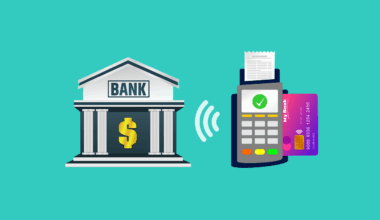

Customer Experience Improvements through Seamless Authentication
In the finance sector, customer experience is paramount, and seamless authentication plays a crucial role in that regard. Customers today demand efficient and secure processes for accessing their financial information. With the rise in digital transactions, the need for robust identity verification has never been greater. Companies are therefore implementing advanced technologies, including biometrics, to enhance customer interactions. By utilizing fingerprint recognition, facial recognition, and voice authentication, financial institutions can provide a frictionless experience. Not only does this improve satisfaction, but it also builds trust. Customers are more likely to engage with services that value their security while ensuring ease of access. A seamless experience fosters greater loyalty and less frustration, leading to long-term relationships between customers and financial institutions. Additionally, implementing secure systems can lead to fewer cases of identity theft and fraud, ultimately protecting customer assets and data integrity. Overall, enhancing seamless authentication processes not only improves user experiences but also sets a foundation for a more secure finance environment. Companies must focus on adopting these technologies effectively to meet the growing demands of today’s digital-savvy customers.
Challenges in Traditional Authentication Methods
The traditional methods of authentication in finance include passwords and PINs, which often lead to customer frustration. Many users have difficulty remembering these complex codes, leading to increased calls to customer service and delays in access to services. Furthermore, with the increase in cyber threats, traditional methods are often not sufficient to thwart identity theft. Prevalent phishing attacks target user credentials, leading to significant security vulnerabilities. Customers can feel overwhelmed by the risks and make less frequent use of digital services due to this anxiety. Security resets often take time, causing customers to seek alternative solutions, which can harm a company’s reputation. To resolve these issues, financial institutions must look for more innovative and secure approaches. This could include multi-factor authentication or the adoption of more advanced security technologies like biometrics, which can significantly enhance customer experiences. By prioritizing customer security while also creating user-friendly systems, financial institutions can make strides towards more efficient identity verification, ultimately leading to higher levels of customer satisfaction. In doing so, companies not only protect their users but also foster better trust in the services they provide.
One of the primary benefits of implementing seamless authentication is the reduction in operational costs. Many financial institutions find that the enhanced customer experience leads to fewer support calls regarding authentication issues, allowing resources to be reallocated towards other valuable services. For instance, when customers are able to access their accounts without the hassle of remembering complicated passwords, they are less likely to need help resetting those passwords through customer service. The administrative burden is significantly decreased, resulting in savings for the company. Additionally, enhanced security features, such as biometrics, can reduce the incidence of fraud and the losses associated with it. By investing in these technologies, financial institutions are not only able to improve overall customer satisfaction but also keep costs in check. Moreover, satisfied customers are likely to recommend services to others, leading to new business opportunities. In a competitive market, the ability to operate efficiently while maintaining high levels of security is crucial for success. Companies that adopt seamless authentication strategies are likely to see a measurable impact on their bottom line, which can be a strong motivator for further improvements in financial services.
The integration of seamless authentication is not without its challenges. Financial institutions must ensure that the technologies employed are both secure and compliant with regulations, such as the General Data Protection Regulation (GDPR) and Payment Card Industry Data Security Standard (PCI DSS). Navigating these regulations can be complex, as failures to comply may lead to steep fines and damaged reputations. Additionally, financial organizations must also invest significantly in technology infrastructure to support biometric solutions. This includes costs related to hardware, software, and training staff to utilize these new systems effectively. Despite these challenges, the return on investment in customer satisfaction and security tends to outweigh initial costs. By collaborating with tech firms and investing in training, financial institutions can create a roadmap for effectively implementing these authentication methods. Furthermore, customers are increasingly expecting businesses to secure their data, further emphasizing that organizations must stay committed to evolving alongside technological trends. Ultimately, successfully overcoming these challenges can lead to industry leadership and enhanced customer loyalty, establishing a prominent position in the finance sector.
Personalization through Authentication
One of the overlooked benefits of seamless authentication in finance is its ability to personalize customer experiences. By utilizing data collected through secure identity verification, financial organizations can better understand individual customer needs and preferences. This understanding allows them to offer tailored recommendations and services that meet specific requirements. For example, if a customer frequently uses mobile banking for transactions, the organization could recommend relevant financial products or services based on that behavior. This level of personalization can be achieved without compromising security because biometric data is inherently unique and difficult to replicate. Enhanced personalization not only improves customer satisfaction but also encourages clients to explore more financial offerings, ultimately maximizing customer lifetime value. Additionally, personalized experiences can foster a sense of loyalty, as customers are more likely to remain with companies that understand their needs. Hence, melding advanced authentication methods with tailored services creates tremendous potential for improving customer relationships. Financial institutions should take a proactive approach in leveraging analytics and secure authentication together, which can lead to both increased engagement and heightened satisfaction rates among clients.
Another significant aspect of seamless authentication is its positive impact on customer trust. In today’s digital landscape, where security breaches are rampant, customers are increasingly concerned about the safety of their sensitive information. Effective authentication methods, such as biometric verification, can directly address these concerns. By assuring customers that their data is secure and that their identities are effectively protected, financial institutions can strengthen trust. Increased trust not only encourages the use of services but also leads to the sharing of more information, which can be beneficial for both parties. When customers feel secure, they are more likely to engage in higher-value transactions and remain loyal to a brand. Conversely, poor security measures can lead to quick disengagement and negative word-of-mouth, which can be incredibly damaging to a company’s reputation. Research shows that trust plays a pivotal role in customer decision-making, and financial organizations must prioritize the security of customers’ data. By investing in seamless authentication solutions, institutions can build a solid foundation of trust with customers, enabling them to thrive even in an increasingly competitive market.
As organizations in the finance sector continue to explore seamless authentication, the necessity for education arises. Customers should be informed about the evolving technologies in identity verification and authentication, and the benefits that they bring. Adequate information can help dispel fears and misconceptions related to biometric data. For many customers, understanding how their data is stored, used, and protected is essential for peace of mind. Financial institutions must invest in educational campaigns that demystify the purpose of these technologies and emphasize their immense benefits. Workshops, informational webinars, and easily digestible content on websites can improve overall awareness and acceptance of new security measures. Furthermore, by listening to customer feedback, companies can iterate on their processes and technologies, making further improvements where necessary. It is critical that customers feel informed and empowered to participate in their security online. Organizations that prioritize customer education can expect to see higher adoption rates of new authentication methods, ultimately resulting in increased customer satisfaction and engagement across their platforms. This proactive approach will also illustrate that the institution genuinely cares about its clients and values their security in an increasingly digital finance landscape.
In the fast-shifting finance landscape, seamless authentication and identity verification are vital for success. With advancements in technology, customers are no longer satisfied with multiple barriers when accessing their accounts. They want swift, secure, and straightforward processes to ensure a smooth experience. Financial institutions must continue to embrace these changes by adopting cutting-edge technologies such as artificial intelligence and machine learning. These technologies can further enhance the security features of authentication while predicting customer behavior and preferences. Consequently, banks and financial service providers can adapt services to meet the growing expectations of their clients. As more customers opt for digital solutions, the need for seamless authentication will only increase. To establish a competitive advantage in the finance sector, organizations should prioritize investing in these technologies, ensuring that their systems are both efficient and user-friendly. The long-term benefits of a seamless authentication process include improved customer retention, reduced operational costs, and increased revenue. Ultimately, adapting to these shifts will not only optimize customer experience but also secure a prosperous future for financial institutions friendlier, more personalized, and loyal customer relationships that will define the finance industry moving forward.