
The Role of Multi-Factor Authentication in Endpoint Security for Finance
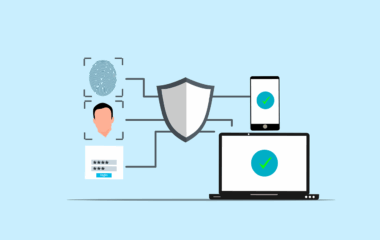
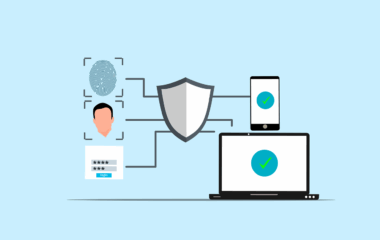
In today’s digital landscape, the financial sector faces unprecedented challenges in securing sensitive data against cyber threats. Multi-factor authentication (MFA) stands out as a robust defense mechanism. Through MFA, financial institutions can significantly reduce the risks associated with unauthorized access, especially for endpoint devices. With many employees working remotely, and using personal devices, ensuring that each access point is well-protected has become essential. Integrated into existing security frameworks, MFA enhances user verification by requiring multiple forms of identification. This process may include something the user knows, such as a password, combined with something the user has, such as a smartphone app or a biometric identifier. By introducing these layers of security, MFA not only fortifies endpoint defenses but also cultivates a culture of cybersecurity awareness among users, encouraging them to adopt safer online practices. Thus, it is pivotal for finance professionals to advocate for MFA implementation as part of their overarching endpoint security strategy. As threats evolve, so must the defense mechanisms employed to safeguard financial data against malicious actors.
Moreover, beyond just adding security layers, MFA can significantly bolster user confidence in financial systems. When employed effectively, customers are more likely to trust that their sensitive information is well protected, consequently increasing their engagement with financial platforms. This trust is vital in a sector that thrives on customer relationships and loyalty. By using technologies such as one-time passwords (OTPs) or security questions, financial organizations can ensure that users are authenticated correctly before they gain access to their accounts. The implementation can be tailored to fit various environments including mobile banking apps, online banking services, and point-of-sale systems. Additionally, many regulatory bodies now recommend MFA as a best practice for safeguarding financial information, making it an attractive option for organizations aiming to comply with industry standards. Moreover, beyond regulatory compliance, adopting MFA can help mitigate potential financial losses associated with fraud. Institutions that effectively implement MFA can reduce the costs related to data breaches, as they prevent unauthorized access at multiple levels, contributing to improved overall security posture.
Why Financial Institutions Need MFA
With an increasing number of cyber-attacks targeting financial institutions, the necessity for robust cybersecurity measures cannot be overstated. Criminals are leveraging sophisticated strategies to exploit vulnerabilities, particularly in endpoint devices. Using MFA mitigates these risks by enforcing stricter access controls. It ensures that even if a password is compromised, unauthorized access remains unlikely without the additional authentication layers. Furthermore, as data breaches steadily climb, the financial implications for these institutions can be severe. High-profile breaches result in loss of reputation and customer trust. MFA serves both as a deterrent and as a reactionary measure to minimize damage in case of an attempted breach. To maximize effectiveness, organizations must ensure that MFA methods implemented are user-friendly, as cumbersome processes can frustrate customers and lead to disengagement. Balancing security with usability is crucial. By continuously evaluating and upgrading the security measures in place, financial institutions can ensure they remain one step ahead of cybercriminals and foster an environment where safeguarding sensitive data becomes an organizational norm.
Implementing Multi-Factor Authentication within financial environments isn’t without its challenges. Organizations must consider the potential impacts on customer experience as users engage with sessions requiring additional verification. For effective implementation, it is crucial to balance security controls with user convenience. This ensures that clients do not feel overwhelmed by the complexity of security processes. Educational efforts surrounding MFA are essential. By informing users about why MFA is necessary and how it protects their assets, institutions can enhance willingness to accept these measures. Furthermore, ongoing communication regarding updates or changes in security protocols will keep customers informed and engaged. Providing a seamless experience involves offering customizable options for verification, allowing clients to choose their preferred method. Institutions could also develop strong support systems to assist users in navigating MFA processes effectively. Striking the right balance can improve an organization’s security landscape without alienating its customer base. Thus, prioritizing user experience while integrating strict security measures will empower clients to interact confidently with financial technology.
The Technological Landscape of MFA
The technological landscape of Multi-Factor Authentication is rapidly evolving. Businesses in the financial sector must stay abreast of these advancements to ensure their systems remain secure. Today’s MFA solutions often incorporate biometrics, such as fingerprint scanning and facial recognition, providing an additional layer beyond traditional passwords. This evolution continues to enhance security as these biometric features are more difficult to replicate or steal than standard authentication methods. Furthermore, the introduction of mobile authentication apps, which generate time-sensitive codes for user verification, has simplified the process for many clients. Financial institutions should assess the technology stack they employ for MFA to ensure that it’s not only secure but also aligned with industry standards. Regular audits help organizations identify vulnerabilities and implement necessary corrections swiftly. Additionally, those institutions could leverage advancements such as behavioral analytics to further strengthen MFA. By analyzing users’ unique behavior patterns, institutions can detect anomalies in access attempts and thereby flag potential threats for further investigation. This proactive approach underscores the importance of adaptability in successfully managing endpoint security in the finance sector.
Moreover, adopting a risk-based approach can augment the effectiveness of Multi-Factor Authentication in finance. Not every access attempt warrants the same level of scrutiny. Financial authorities can implement adaptive MFA, which adjusts requirements based on the context of the login attempt, such as location or device. For example, a user logging in from a familiar device within a secure environment may only need to enter a password. Conversely, a login from an unfamiliar location or device might trigger additional verification steps. Using this method reduces friction for frequent users while simultaneously enhancing security for potential threats, allowing organizations to streamline operations without compromising on safety. Similarly, educating clients about the importance of this context-driven approach fosters collaboration. Clients are more likely to appreciate the added security when they understand its necessity. By actively engaging users in security discussions, institutions provide a secure environment that benefits both parties. Thus, risk-based methodologies paired with robust verification mechanisms enable financial institutions to respond dynamically to emerging cybersecurity challenges throughout the financial sector.
Conclusion
In conclusion, the role of Multi-Factor Authentication in endpoint security within finance is undeniably critical. It not only protects sensitive financial data but also enhances user trust and compliance with regulations. Financial institutions must prioritize MFA as a core component of their security strategy. As cyber threats evolve in complexity and frequency, so must the tools and techniques employed to combat them. By embracing MFA and integrating it intelligently into their systems, organizations can create a formidable defense against potential breaches. Through the implementation of user-friendly solutions that emphasize security awareness, engagement, and experience, institutions can drive higher rates of MFA adoption among their clients. As cybersecurity remains a partnership between organizations and users, investments in both education and technology are indispensable for fostering a culture of security. Ultimately, businesses that take proactive measures today will be better positioned to navigate the challenges posed by future threats and ensure the resilience of their operational frameworks. The evolution of financial technology should continue to prioritize a secure environment for all stakeholders involved.
In today’s rapidly changing financial landscape, the need for strong endpoint security is paramount. As financial institutions increasingly rely on technology, they also expose themselves to greater cybersecurity risks. This became evident as breaches became more common and sophisticated. Data shows that many attacks target endpoints, which often serve as gateways to sensitive information. In light of this reality, businesses are adopting multi-factor authentication (MFA) measures. MFA adds extra layers of security, requiring multiple verification steps before providing access. This approach significantly reduces the likelihood of unauthorized users accessing critical systems. By requiring something the user knows—like a password—and something they possess—like a smartphone—MFA makes breaches more difficult. Consequently, financial companies benefit from decreased fraud incidents and increased protection for their assets. Users must also understand their role in maintaining security. By selecting strong, unique passwords and engaging with MFA processes, customers can contribute significantly to overall safety. In summary, utilizing MFA in endpoint security within finance is not merely an option; it’s a necessity to safeguard sensitive data against constant threats emerging in the digital world.