
Interpreting Economic Sentiment Indexes for Stock Market Timing
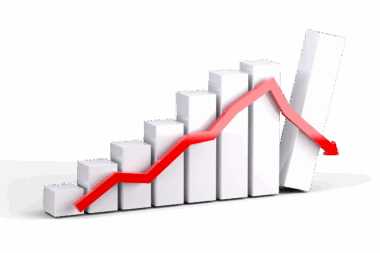
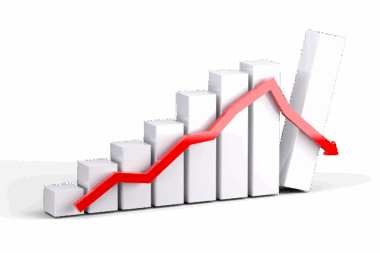
The Economic Sentiment Index is a vital measure that assesses the overall economic outlook. Investors utilize this index to gauge market trends and potential movements. The index is derived from various surveys and reports that capture the performance and expectations of different economic sectors. By analyzing these sentiment signals, investors can anticipate market behavior and make informed decisions about buying or selling stocks. The link between sentiment and market timing is significant; optimistic sentiment typically correlates with rising market prices. When investors perceive economic growth, they may be more likely to invest in stocks. Conversely, a declining Economic Sentiment Index may lead to caution or sell-offs as investors seek to mitigate risk. Understanding how to interpret these indexes is crucial for investors aiming to optimize their market strategies. It allows for a more nuanced approach to investment decisions. The careful evaluation of sentiment trends can indicate when to enter or exit positions, enhancing overall returns. By studying these indexes, one can improve their investment acumen and achieve better timing for trades.
The Economic Sentiment Index has various components that contribute to its overall score. These components include consumer confidence, business expectations, and market performance metrics. Each of these metrics plays a crucial role in determining the sentiment of investors and their subsequent actions. An increase in consumer confidence often indicates increased spending, which typically leads to better business performance. Conversely, a drop in confidence usually signifies caution among consumers and businesses alike, potentially leading to decreased stock prices. The subtle shifts in these indicators are essential for discerning the health of the economic climate. Following these movements allows investors to stay ahead of potential market changes. Moreover, comparing the sentiment index across different time frames can reveal trends that help predict future market movements. Identifying patterns of optimism or pessimism can also provide insights into broader economic cycles. The data derived from these sentiment indexes is not just numbers; they represent collective human psychology and behavior within the market space. Understanding these dynamics fosters a better comprehension of timing, strategy, and risk management in stock trading.
Tracking Changes and Predictions
Monitoring changes in the Economic Sentiment Index over time provides valuable insights. The fluctuations in sentiment reflect real-time reactions to economic events, policy changes, or unexpected news. These reactions can significantly sway stock market performance, making it vital to keep abreast of sentiment updates. A continuously rising sentiment index suggests strong economic expectations, leading investors to take more significant risks. In contrast, persistent declines in sentiment can trigger market sell-offs as pessimism prevails. The essence of stock market timing revolves around these emotional and psychological factors. Predicting when to enter or exit the market can be enhanced by observing shifts in sentiment. Many successful traders incorporate sentiment analysis into their strategies, alongside technical and fundamental analysis. Employing a multi-faceted approach often yields better results than relying on only one analysis form. Additionally, utilizing sentiment indexes can help investors differentiate between market noise and underlying trends. This careful discernment can aid in avoiding rash decisions based on temporary market sentiment. Understanding the big picture enables investors to remain grounded, making them less prone to impulsive trading.
Investors frequently use sentiment surveys, noting how sentiment correlates with tangible economic outcomes. Academic studies affirm the predictive power of sentiment indexes on stock market trends. When sentiment signals a bullish outlook, it often foreshadows rising stock prices. Conversely, bearish sentiment tends to lead to declines in the market. In their analysis, investment professionals examine how sentiment indexes relate to market metrics such as price-to-earnings ratios, volatility indexes, and yield curves. These combined data paint a more comprehensive picture of market health. Incorporating economic sentiment into investment strategies helps develop an effective timing methodology. Many traders use sentiment analysis as part of their decision-making toolkit when assessing the long-term potential of stocks. It complements traditional analysis, instead of replacing it, thereby refining investment strategies. For example, when both sentiment and economic indicators align positively, it often signals a buying opportunity. This creates a reliance on a holistic evaluation process, ensuring thorough consideration of all influencing factors. Ultimately, interpreting economic sentiment indexes adds depth and clarity to an investor’s analytical capability, yielding enhanced stock market timing and decision-making.
Economic Sentiment and Investor Behavior
An investor’s behavior is heavily influenced by the overall sentiment reflected in economic indexes. Human psychology greatly impacts financial markets, with crowd behavior triggering emotional reactions to market changes. In cultivating their trading strategies, many investors pay close attention to sentiment signals that may guide them toward strategic decisions. This often results in a collective movement, either towards optimism or pessimism. As sentiment becomes contagious, so do actions, resulting in either stronger buy or sell sides in the market. Understanding these dynamics fosters effective approaches to managing portfolios. Thus, sentiment indexes serve as vital tools to be understood deeply by stock market participants. For example, during economic stimulus announcements, a spike in optimism can enhance markets even before the effects become tangible. Predicting how sentiment sways individual stock performances requires attention to these shifts. When emotion drives the sentiment indexes, it often creates volatility, offering both opportunities and risks to savvy investors. Assessing the interplay between sentiment and investor behavior enables a more sophisticated approach in trading, ensuring that one doesn’t merely react to market swings without insight.
Investing based solely on economic sentiment indexes is a risky venture if isolated from other market analyses. Relying solely on sentiment can lead to misinterpretations of market trends, causing investors to overreact or underestimate potential risks. Therefore, integrating sentiment analysis with fundamental and technical assessments is crucial for comprehensive decision-making. Evaluating company fundamentals alongside sentiment directly correlates to sound investment opportunities. Technical indicators can provide further confirmation when sentiment reflects bullish or bearish expectations. This layered analysis ensures that an investor’s actions align with substantial market conditions, rather than emotional impulses. Improving one’s understanding of how sentiment interacts with market fundamentals enhances overall trade decisions. Additionally, recognizing potential pitfalls while reading sentiment indexes can prevent investors from falling into the trap of herd behavior. A cohesive approach that includes all forms of analysis creates a balanced investment strategy. Successful timing in the stock market often develops from an in-depth evaluation that transcends singular metrics. Ultimately understanding sentiment indexes not only enriches investment expertise but also identifies optimal entry and exit points to maximize returns.
Final Thoughts on Investor Strategy
In conclusion, mastering the interpretation of Economic Sentiment Indexes adds significant value to stock trading strategies. Recognizing how sentiment impacts market behavior allows investors to make informed timing decisions. By observing the sentiment indexes alongside fundamental and technical analyses, investors can develop well-rounded strategies that yield better market outcomes. Periodically reviewing these indexes forms an integral part of the proactive investor’s toolkit, ensuring they adapt to market shifts. Stock market timing is not just about the metrics, but also about understanding the underlying economic psychology. Consequently, a robust grasp of sentiment dynamics can lead to superior investment returns. This holistic view leads to improved risk management and better timing in entering or exiting positions. Remember, sentiment is a signal, not a perfect forecast, so use it wisely. Staying informed on sentiment trends enhances overall investment awareness, fostering deeper engagement with market movements. The synergy between sentiment insights and other analyses solidifies investment foundations. An educated approach will enable better forecasting, yielding the potential for remarkable success in the financial markets.
In final reflection, while interpreting economic sentiment indexes, patience and diligence are paramount in navigating market environments. Consider developing a strategic approach when engaging with these indexes, ensuring that your insights support thorough evaluations. Markets can be unpredictable, making the understanding of sentiment complexities essential. As investors navigate their paths, embracing the learning journey can serve to enrich the experience. Each index is not just a data point; it signifies collective market emotion. Invest the effort needed to correlate sentiments with tangible economic outcomes, and let careful analysis guide your decisions. Combining knowledge gleaned from sentiment readings with contextual market understanding transforms the investment landscape into a realm of opportunities. The interplay of emotions within economic contexts forms the bedrock of market activity. Stay engaged, informed, and agile as economic conditions evolve and adjust your trading strategies accordingly. Ultimately, the journey of mastering sentiment analysis can lead to enhanced decision-making, positioning you favorably in the market. By building your toolkit around these insights, you merge emotional intelligence with investment acumen, leading to sustained performance in stock market success.