
Using Kanban to Enhance Cross-Functional Team Collaboration
The Kanban methodology is an effective approach to optimize and enhance collaboration within cross-functional teams. By creating a visual representation of workflow, Kanban helps teams streamline their processes. Each task is represented as a card and moves through various stages, providing insight into progress and bottlenecks. This visibility empowers all team members, as everyone can track what others are working on at any given time. A fundamental concept of Kanban is limiting work in progress (WIP), ensuring that teams focus on important tasks rather than spreading their efforts too thin. Teams will develop better communication as they discuss cards moving from one column to another on the Kanban board, which fosters ownership and accountability among team members. Additionally, the practice encourages continual improvement as teams reflect on their processes regularly and adapt their workflows for optimal performance. Stakeholders can easily engage with the Kanban board, further bridging communication gaps. As a result, Kanban is a valuable tool that promotes synergy, efficiency, and overall team collaboration, ultimately driving project success and enhancing productivity across the organization.
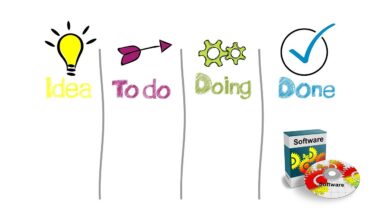
Implementing the Kanban methodology requires a clear understanding of its principles and practices. The first step involves designing a Kanban board that displays various stages of work, such as To Do, In Progress, and Done. Each task card should include critical information like the task description, responsible individual, and due date. By visualizing tasks and their statuses, team members can easily assess workloads and prioritize effectively, ensuring that everyone is on the same page. It is essential to hold regular stand-up meetings to review progress and address any roadblocks. This instills a culture of transparency and fosters inter-departmental communication. Moreover, task prioritization is crucial in Kanban. Teams should focus on high-impact tasks, constantly evaluate their progress, and iterate on their processes as necessary. To further enhance collaboration, teams could leverage digital Kanban tools that allow for remote updates and communication. This flexibility can facilitate better engagement among team members who do not work in the same physical location, ensuring that all voices are heard and considered during the project’s lifecycle.
The Benefits of Visual Management
One of the standout features of Kanban is its emphasis on visual management, which can significantly enhance communication among team members. By using a Kanban board, teams can easily see what tasks are currently in progress and what needs attention. This visual aid fosters greater discussions as team members converge around the board during meetings, discussing bottlenecks and identifying solutions together. Furthermore, visual cues, such as color coding or icons, can convey additional context about tasks and their priorities. This approach can drastically reduce misunderstandings while aligning team efforts toward collective goals. A collaborative environment is cultivated when team members share ownership of their tasks and participate in problem-solving together. Continuous feedback is also encouraged, improving team dynamics and morale. As teams observe progress in real time, they become more invested in their work outcomes. This can lead to increased motivation and productivity, as everyone can visibly track their contributions to project success. Ultimately, the visual aspects of Kanban foster a shared understanding among team members, thus enhancing interaction and collaboration across disciplines more effectively.
Another advantage of Kanban lies in its focus on cycle time. Cycle time refers to the duration it takes for a task to move from the start to completion stages. Reducing cycle time is a constant objective in Kanban, promoting efficiency within teams. As teams work on minimizing cycle time, they become more responsive to market demands and changing priorities. The ability to iterate quickly allows teams to adjust tasks based on real-time feedback from stakeholders, ensuring that products align with expectations. Teams can implement metrics to analyze their cycle time regularly. Analyzing this data can lead to actionable insights that empower teams to refine their workflow constantly. As teams identify patterns and inefficiencies within their processes, they can adapt their Kanban practices better. This adaptability enhances overall team performance, enabling teams to work smarter rather than harder. Moreover, improved cycle times can contribute positively to customer satisfaction, as processed tasks are delivered on time and quality improves. In this way, Kanban methodology supports team agility, responsiveness, and the ability to work collaboratively across departments to achieve shared goals effectively.
Encouraging Continuous Improvement
Integrating continuous improvement, or Kaizen, into the Kanban framework is vital for cross-functional team success. Regular retrospectives offer team members a chance to reflect on completed work, discussing what went well and what areas need enhancement. By analyzing both successes and challenges, teams can identify best practices and implement changes accordingly. This culture of learning encourages accountability and motivates team members to strive for excellence. Furthermore, involving all team members in problem-solving fosters a sense of ownership and commitment to the process. Empowered individuals are more likely to take initiative in collaborating effectively, proposing innovative ideas that can lead to significant improvements. Continuous feedback loops are also essential for monitoring progress throughout the project lifecycle. Kanban promotes responsiveness as teams adjust their practices based on feedback provided by team members and stakeholders. Open lines of communication remain crucial as teams share updates and changes to their workflows. As teams prioritize issues collaboratively, they’ll not only work more efficiently together but will develop a strong sense of camaraderie and mutual support, which is integral to any successful cross-functional endeavor.
To further enhance team collaboration through the Kanban methodology, organizations must invest in training. Employee training sessions can arm team members with the knowledge they need to use the Kanban system effectively. Familiarity with tools and techniques associated with Kanban allows team members to leverage their potential fully in their respective roles. Also, providing ongoing support and mentorship allows employees to navigate challenges with confidence, ultimately promoting collaboration. As employees become more adept at using Kanban, they are more likely to contribute meaningfully to discussions and offer valuable feedback. This continuous learning environment helps foster a cooperative spirit among team members, promoting a culture where everyone feels valued. Leadership plays a crucial role in this aspect, as it sets the tone for the entire team. By encouraging feedback and acknowledging contributions, leaders create an environment of psychological safety. When individuals feel safe, they are more inclined to take risks, share ideas, and challenge the status quo collaboratively. Investing in development will undoubtedly cultivate more resilient, adaptive teams that can engage in ongoing improvement and cooperation. Performance benefits will follow, optimizing the team’s overall capability and success.
Conclusion: Kanban’s Lasting Impact on Collaboration
In conclusion, the Kanban methodology presents numerous opportunities to enhance collaboration within cross-functional teams. Through visual management, well-defined processes, and an emphasis on continuous improvement, teams can effectively work together toward common objectives. The importance of open communication can’t be overstated, as it fosters camaraderie and alignment on project goals. Equally vital is the aspect of adaptability, allowing teams to respond swiftly to shifting priorities or challenges as they arise. By embracing Kanban, organizations cultivate a culture of transparency, ownership, and shared responsibility among team members, leading to higher engagement and morale. As team members become more vested in their work, they are likely to take pride in their contributions. This leads to improved outcomes and customer satisfaction. Integrating Kanban principles into daily operations requires commitment, but the long-term benefits for cross-functional collaboration can be transformative. It ultimately improves processes and drives project success, boosting productivity across various departments and teams. As organizations continue to navigate complex projects, Kanban will remain a valuable methodology for fostering collaboration, efficiency, and achieving shared goals in the rapidly changing business environment.
This article provides insights into practical steps for implementing the Kanban methodology to boost cross-functional collaboration. By contributing to shared understanding, facilitating communication, and enhancing efficiency, teams can better navigate the complexities of their projects. If utilized effectively, Kanban can also provide valuable alternatives to traditional project management methodologies, thus improving outcomes and satisfaction. Organizations that wish to enable their teams through collaboration will find the Kanban methodology an adaptable and fruitful tool in their project management toolbox.