
Credit Utilization and Its Role in Mortgage Applications
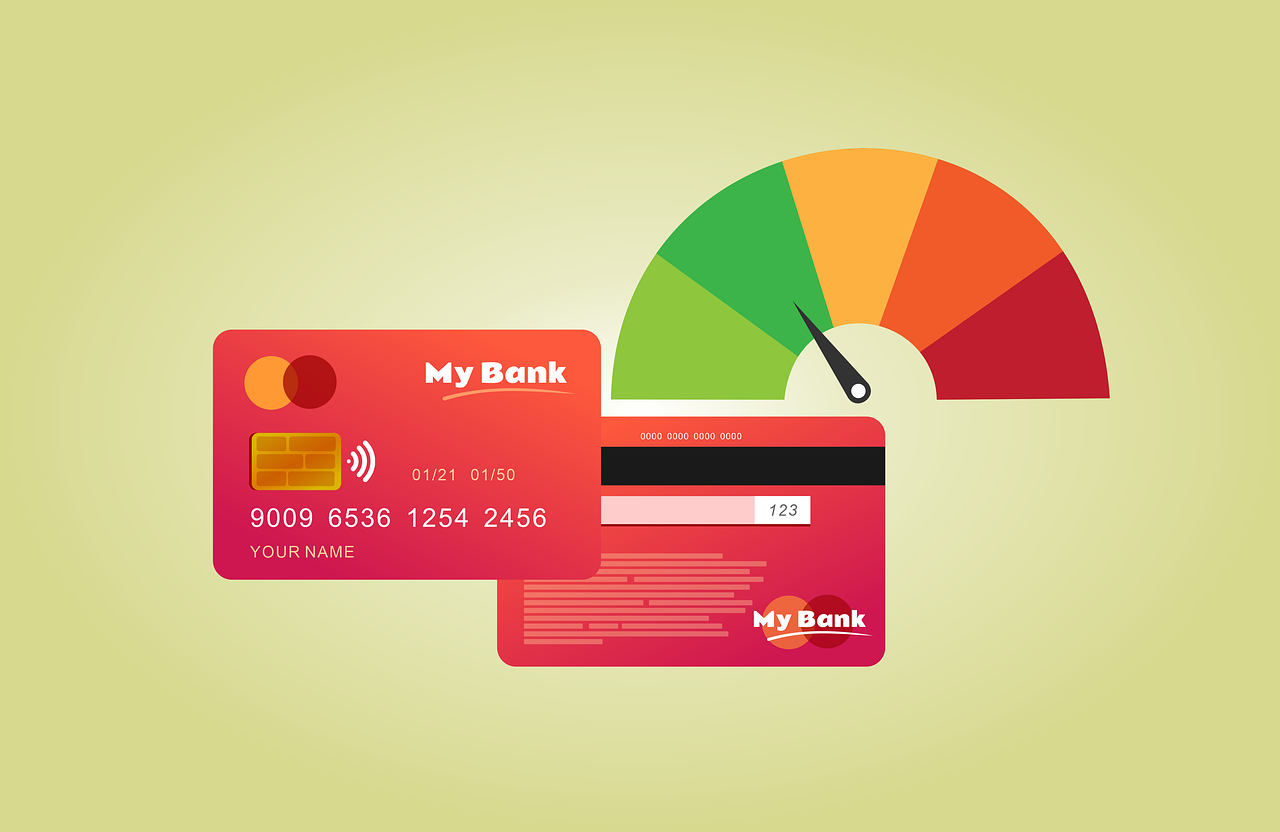
Understanding credit utilization is essential for mortgage applicants aiming to secure favorable terms. Credit utilization measures the ratio of total credit balances to available credit limits. It serves as a crucial indicator to lenders assessing a borrower’s financial health. A low credit utilization ratio often suggests responsible credit management. Conversely, a high ratio may indicate potential risk, reflecting the borrower’s financial strain. To calculate this ratio, divide your total credit card balances by your total available credit, then multiply by 100 to get a percentage. Generally, lenders prefer this percentage to remain below 30%. Maintaining a lower ratio can significantly enhance one’s credit score, showcasing a borrower’s ability to manage debt effectively. Thus, applicants striving for a mortgage should prioritize reducing outstanding credit balances before applying for mortgages. Alternatively, increasing your credit limits can also help lower this ratio. Understanding the impact of credit utilization can empower borrowers to improve their credit profiles before entering the mortgage market, potentially securing lower interest rates and better loan terms.
In addition to understanding credit utilization, it is important to recognize how it relates to overall credit scores. Credit scores typically range from 300 to 850, with higher scores indicating better creditworthiness. Various factors affect your score, and credit utilization accounts for about 30% of this overall score. Therefore, managing this ratio directly affects your credit score, influencing a lender’s perception of your reliability as a borrower. If a borrower’s credit utilization is high, it can lead to a lower credit score, resulting in higher interest rates on mortgage loans. It is crucial to monitor your credit utilization regularly by checking your credit report. Credit reporting agencies like Equifax, Experian, and TransUnion offer annual free reports, allowing you to track your ratios and overall credit health. Strategies to improve your credit utilization might include consolidating debts, paying off existing balances strategically, or even becoming an authorized user on someone else’s credit card to benefit from their positive credit habits. By adopting these strategies, you position yourself favorably in the eyes of potential mortgage lenders.
Strategies for Managing Credit Utilization
When preparing for a mortgage application, effectively managing your credit utilization ratio is critical. Begin by creating a detailed budget to track your expenses and identify areas for potential savings. Allocate any extra funds to pay down credit card debt. This approach not only reduces outstanding balances but also enhances your credit score. You might also consider spreading your expenses across multiple cards instead of maxing out a single card. This method can help maintain individual credit utilization ratios for each card below the preferred threshold. If you find yourself with substantial credit limits on several accounts, using them wisely can improve your overall ratio. Furthermore, regularly review your account statements to ensure there are no inaccuracies or fraudulent charges affecting your balance. If you spot any discrepancies, report them immediately to your card issuer. Also, make a habit of using your credit card for necessary purchases and paying the balance in full each month, reinforcing responsible borrowing behavior. These strategies collectively help maintain a healthy credit utilization ratio, providing you with a competitive advantage in the mortgage application process.
Moreover, timing plays a significant role in managing your credit utilization. If you plan to apply for a mortgage shortly, consider timing your credit card payments strategically. Paying down your balances before applying can lower your ratio right when the lender checks your credit. It’s also advisable to avoid making large purchases on credit shortly before submitting your mortgage application, as this could spike your utilization ratio. Lenders typically assess your financial health based on the latest information available. Thus, managing your debts and timing your payments effectively can lead to a more favorable credit assessment. Additionally, if you’re currently considering an increase in your credit limits, do so judiciously. Requesting an increase could lower your utilization but also requires inquiry on your credit report. An inquiry can temporarily affect your score, so ensure you’re prepared for any potential impact. Balancing your application timing with these strategic payments can significantly bolster your credibility as a borrower.
Consequences of High Credit Utilization
The consequences of high credit utilization extend beyond just credit scores; they can influence mortgage terms significantly. When lenders observe a high utilization rate, they perceive it as a sign of financial distress or mismanagement, which can lead to higher interest rates or denied applications altogether. Higher rates increase the total cost of borrowing, making homeownership less accessible and desirable. Additionally, excessive credit utilization can restrict your borrowing power, as lenders may be less willing to provide large loans when they assess your financial profile poorly. Furthermore, high utilization can deter lenders from offering you the most competitive loan terms and flexible options. Managing credit utilization proactively not only preserves your access to credit but also ensures favorable terms that align with your financial goals. In conclusion, understanding the ripple effect of credit utilization ratios can significantly affect your mortgage plans and long-term financial health. Borrowers must remain vigilant about maintaining an optimal balance and healthy credit habits to improve their chances of successful mortgage applications.
To summarize, monitoring credit utilization should be a top priority for anyone looking to apply for a mortgage. Knowing how to calculate and improve this ratio can provide a clearer financial picture, enabling borrowers to make informed decisions. Key factors influencing credit utilization include total credit limit, outstanding credit balances, and timely payments. Maintaining a ratio below the 30% mark can demonstrate fiscal responsibility and enhance creditworthiness. Educational resources are available for those seeking to understand their credit scores better; websites like AnnualCreditReport.com offer valuable insights. Seek personalized financial advice from credit counselors if you feel overwhelmed navigating your credit portfolio. They provide tailored strategies to optimize credit utilization, aiding in your mortgage application preparation. Furthermore, regularly revisiting your overall financial goals helps visualize what you wish to achieve with your mortgage. Keeping your credit utilization low while planning for homeownership can set you on the path to securing your ideal mortgage terms.
Conclusion
In conclusion, credit utilization plays a fundamental role in mortgage applications, wielding the power to affect both credit scores and borrowing terms. Understanding its implications can equip borrowers with the necessary knowledge to improve their financial situations and achieve their homeownership goals. This entails maintaining a balance between credit use and responsible repayment. Getting proactive about credit utilization can lead to numerous benefits, from better interest rates to increased access to credit, ultimately making the journey to homeownership smoother and more attainable. Continuous education remains pivotal; therefore, staying updated on credit-related trends and financial management practices ensures long-term success. By actively managing your credit utilization ratio and adopting healthy credit habits, you position yourself as a desirable borrower in the competitive mortgage market. As you prepare for the mortgage process, prioritize understanding how credit works, ensuring you remain informed and empowered throughout your financial journey. Applying these practices not only impacts your credit scores positively but also guides you toward achieving your dreams of homeownership.
Furthermore, remember that credit is a tool that should be used wisely. It’s essential to differentiate between responsible use and overspending, which can lead to financial difficulties. The journey to improving credit utilization requires patience and commitment from borrowers. Evaluating your overall debt portfolio helps identify specific strategies to take, whether that means reducing credit card debt or managing personal loans more efficiently. As you work on lowering the credit utilization ratio, celebrate small victories, such as paying off one credit card entirely or consistently staying below the 30% mark on others. These accomplishments contribute to a larger goal of improving your credit score and enhances your opportunities for better mortgage applications in the future. Lastly, consider that financial health is a holistic approach; thus, maintaining an emergency fund can also relieve pressure to rely heavily on credit during emergencies. As you navigate the mortgage application process, remember to reflect on your overall financial health, utilizing credit responsibly to foster long-term stability and success.