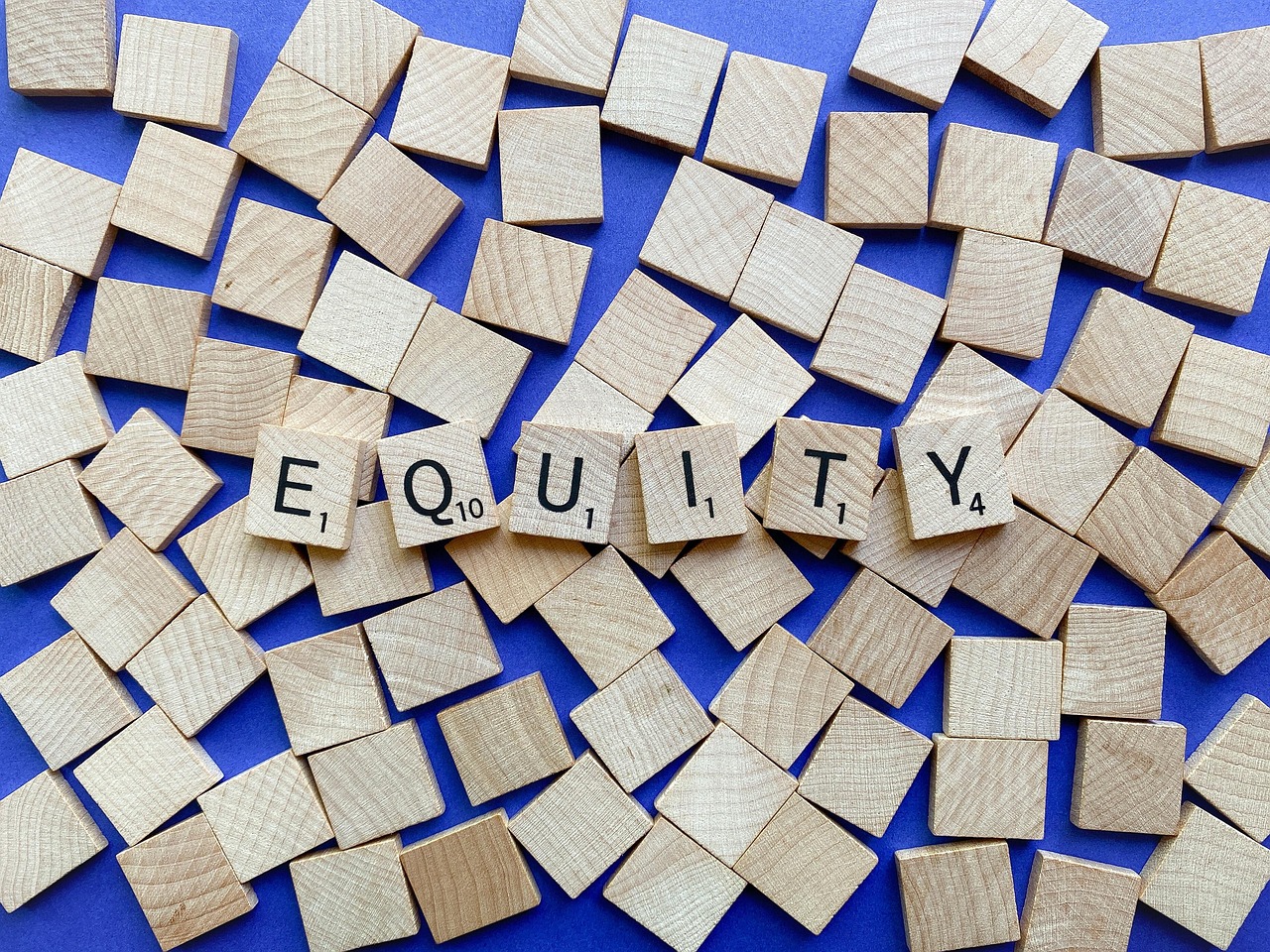

Funding Gaps: Addressing Underfunded Areas in Education Equity
Education is a fundamental right that should be accessible to every student, regardless of their background. However, significant funding gaps exist, which severely hinder the progress toward achieving educational equity. Various communities experience disparities that can be traced back to differences in funding, resulting in unequal resources, facilities, and opportunities. This inequity adversely affects students in low-income neighborhoods, contributing to a cycle of poverty and limited prospects. To combat this issue, educators and policymakers must advocate for funding reform that prioritizes underfunded schools and programs. Schools, especially in marginalized communities, should have adequate resources such as textbooks, technology, and extracurricular activities. Additionally, community initiatives can play a pivotal role in addressing these gaps, providing support and mentorship to students. Various stakeholders, including local governments, philanthropists, and educational organizations, must collaborate to allocate resources where they are needed most. Innovative funding models need to be developed to ensure that every student can access quality education. Only then can we begin to level the playing field and create an equitable educational landscape for all students. This requires a commitment to long-term change and support from those in positions of power.
In order to understand the complexities behind funding gaps, we must examine the historical context of education funding in the United States. Various systemic factors contribute to these disparities, including property tax reliance, which funds local schools based on property values. Consequently, affluent neighborhoods tend to have better-funded schools, while lower-income neighborhoods often suffer from inadequate funding. Furthermore, state and federal funding mechanisms frequently overlook weaker districts, perpetuating these inequalities across generations. To remedy this, we need to rethink our funding structure, emphasizing equity over equality. When we provide additional resources and support to underfunded schools, we can increase equitable outcomes. More targeted efforts, such as teaching grants and enhanced formations, must be secured to bolster areas disproportionately affected by poverty. This can significantly improve teacher recruitment and retention in underfunded schools. Additionally, implementing dynamic funding initiatives that take socioeconomic status into account can dramatically reshape the educational landscape. By providing more significant resources to those who need them the most, we can foster an environment conducive to learning. Reforming funding methods is essential in the push for educational equity throughout the nation.
The Role of Nonprofits in Education Equity
Nonprofit organizations are crucial in bridging the funding gaps in education. They actively work to secure financial support directed towards underfunded areas, providing additional resources and programs aimed at leveling the playing field. There are numerous successful initiatives driven by nonprofits addressing the disparities faced by students. By collaborating with schools and local communities, they help raise awareness about the dire need for equitable funding and resources. For instance, nonprofits often provide after-school programs, tutoring, and mentorship opportunities specifically designed for students in disadvantaged areas. These initiatives directly impact student achievement and self-esteem, motivating young learners to aspire to greater academic heights. Furthermore, nonprofits support advocacy efforts that influence policy changes related to education funding. Such activities empower communities to voice their needs and concerns regarding educational equity. Individuals can also contribute by volunteering or donating to these organizations, amplifying their impact. This collective effort can lead to substantial improvements in underfunded educational settings, transforming lives and enhancing opportunities. Investing in nonprofit initiatives contributes to creating a fairer educational system where no student is left behind.
Public awareness campaigns play a significant role in addressing education equity funding gaps. Through effective communication strategies, advocates can highlight the disparities and mobilize support for reforms. By informing the public about these issues, awareness can lead to increased pressure on policymakers to take meaningful action. Utilizing various media channels, such as social media, television, and print, can enhance outreach efforts. Showcasing stories from students and educators who face real challenges in underfunded settings creates an emotional connection that resonates with audiences. These stories representative of systemic disparities humanize the issue, urging community members to advocate for change. Furthermore, it’s important to engage key stakeholders, including community leaders, teachers, and parents, in these campaigns. By fostering a sense of urgency, groups can create a unified front, advocating for robust funding solutions. Schools and organizations should form partnerships to amplify their voices and build community support. Collaboration strengthens efforts and demonstrates collective commitment to achieving equality in education funding. Through persistent advocacy and raising awareness, transformative change can be accomplished, leading to a more equitable educational landscape for future generations.
Innovative Solutions for Education Funding
One of the most effective ways to address funding gaps is through innovative funding solutions. These alternatives offer unique approaches that can significantly improve education equity in marginalized areas. For instance, establishing community-based funding models allows residents to allocate resources directly to schools. This model encourages local investment in education and fosters a sense of ownership and accountability. Additionally, leveraging technology can help streamline fundraising efforts, making it easier for schools to access grants and contributions. Online platforms can connect educators with potential donors, maximizing outreach to foster greater support. Crowdfunding initiatives have also gained popularity as a way for schools to raise funds for specific projects, whether it’s for new textbooks, technology, or sports programs. Collaborating with businesses for sponsorship can also create sustainable funding options. Various industries can invest in local schools, providing essential resources in exchange for opportunities to promote their brand. These innovative solutions represent a significant shift in how we consider education funding, emphasizing the need for collaboration, community involvement, and creative approaches that can lead to equitable outcomes for all students.
State and federal policies significantly impact the distribution of educational resources. It is essential for these policies to focus on equity rather than merely adequacy in funding. Policymakers must ensure that funds are allocated based on need, not just uniformity across districts. For instance, addressing the limitations of the “one-size-fits-all” funding formula is crucial. Each district faces unique challenges, and funding must reflect those realities. Advocacy efforts should urge policymakers to reevaluate funding strategies to promote fairness. Engaging in policy dialogues and creating coalitions can amplify messaging and build momentum for systemic change. Programs to actively include educators, administrators, and community members in decision-making processes can identify critical areas requiring funding. This participatory approach leads to responsible and transparent funding distribution, allowing stakeholders to provide insight into their needs. Moreover, implementing accountability measures ensures that allocated funds are used effectively. By fostering a climate of equity-focused policymaking, we can shift the paradigm from reactive measures to proactive investments in education. Prioritizing equitable funding will enhance the educational environment for all students, paving the way toward a fairer society.
Engagement of Private Sector in Education Funding
The private sector can play a transformative role in addressing funding gaps in education equity. Businesses possess resources and expertise that can significantly benefit underfunded schools. Collaborating with private organizations can lead to innovative initiatives that directly impact student learning experiences. For instance, mentorship programs sponsored by corporate partners can promote career awareness and skill development for students. Additionally, businesses can provide internships, aligning educational experiences with industry needs, which can motivate students academically. Funding for technology resources can enhance learning environments, such as computers, software, and connectivity for remote learning experiences. Furthermore, establishing scholarship programs through private partnerships can empower students from underserved communities to access quality education. These scholarships can alleviate financial burdens, opening new educational pathways. Companies can also sponsor professional development opportunities for educators to ensure they are equipped with modern teaching strategies. By investing in education, the private sector demonstrates corporate social responsibility and commitment to community development. Ultimately, fostering strong partnerships between the private sector and educational institutions is vital in shaping a more equitable educational landscape and ensuring that students have access to quality resources and support.
In conclusion, addressing funding gaps in education equity requires a multifaceted approach. By combining efforts from various stakeholders, including nonprofits, communities, policymakers, and the private sector, we can drive systemic change. Challenging historical inequities is no small task; however, it is essential for creating an inclusive environment where all students can thrive. Raising awareness, advocating for innovative funding solutions, and promoting positive changes in policy are critical steps. Moreover, engaging the community and fostering collaborations significantly enhances the likelihood of lasting improvements. Stakeholders must remain vigilant in monitoring the effectiveness of funding distribution and continue advocating for students in need. Sustained engagement and investment in equitable education create better outcomes for underserved populations, addressing long-standing disparities. As we continue to reform the educational landscape, it is critical to remember that education is a shared responsibility, requiring collective action. Working together can create a future where every student has the resources they need to succeed. Embracing this holistic strategy will pave the way for significant progress in education equity, ultimately leading to broader societal benefits.