
Blockchain and Digital Identity Verification: A Perfect Match?
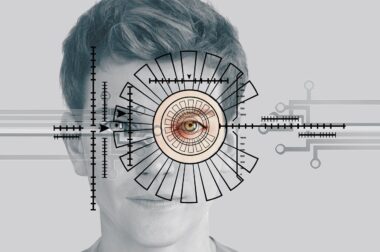
In today’s digital world, identity verification has become a crucial aspect of security and trust. With the rise of cybercrime and fraud, organizations need to adopt advanced technologies. Digital identity verification refers to the process of ensuring that a person is who they claim to be in an online environment. This can involve various technologies, including biometrics, multi-factor authentication, and artificial intelligence. By validating identities digitally, businesses can enhance their security protocols and improve customer trust. Additionally, regulations like KYC (Know Your Customer) require companies to verify customer identities thoroughly. Blockchain technology offers a promising solution to these challenges.
Blockchain technology, which is a decentralized and distributed ledger system, provides numerous advantages for digital identity verification. Its main features include transparency, immutability, and security. Unlike traditional databases, data on a blockchain cannot be easily altered or hacked, significantly reducing the risk of identity theft. When personal information is stored on a blockchain, individuals have greater control over their data. They can grant and revoke access easily, ensuring their information is protected from unauthorized use. This empowers users and creates a more secure environment for both individuals and organizations. Furthermore, blockchain can streamline the verification process, making it quicker and more efficient.
Benefits of Blockchain in Digital Identity Verification
The integration of blockchain technology into digital identity verification comes with several significant benefits. One of the primary advantages is enhanced security. Since blockchain uses cryptography to secure data, it is less susceptible to cyber threats compared to traditional systems. Additionally, the decentralized nature of blockchain eliminates single points of failure, increasing the resilience of identity verification systems. Furthermore, transactions are recorded on the blockchain in an immutable format, meaning that any alterations or fraud attempts can be easily detected and traceable. This accountability fosters trust among users and organizations.
Another essential benefit of using blockchain for identity verification is improved user experience. With decentralized identity solutions, individuals can manage their credentials without relying on multiple intermediaries. This simplification reduces friction during the verification process, allowing users to complete transactions more quickly. Furthermore, blockchain technology can facilitate secure sharing of identity credentials with minimal effort, reducing the burden on end-users. Various industries, such as finance, healthcare, and travel, stand to benefit immensely from these advancements in digital identity verification. This is particularly relevant in sectors facing stringent regulations around identity management.
Challenges and Considerations
Despite its advantages, implementing blockchain in digital identity verification also presents challenges. One significant concern is the scalability of blockchain solutions. As the number of users and transactions grows, maintaining performance can become problematic. Current blockchain systems may struggle under heavy loads, leading to delays and increased costs. Additionally, regulatory compliance is another challenge. While blockchain enhances security, it must still comply with existing legal frameworks to ensure user data protection and privacy. Organizations must navigate complex regulations while ensuring that their blockchain solutions remain compliant, which can be both challenging and time-consuming.
Moreover, user adoption presents another hurdle. Many people are not familiar with blockchain technology, which may lead to skepticism and resistance to its use in identity verification. Education and awareness campaigns can play a significant role in overcoming these barriers. Organizations must focus on demonstrating the benefits and simplicity of blockchain solutions to gain user trust. Additionally, interoperability with existing systems is essential for successful implementation. Integrating blockchain solutions with legacy systems may present technical challenges requiring careful planning and execution.
Future Prospects of Blockchain in Identity Verification
Looking ahead, the future of blockchain in digital identity verification appears promising. As technological advancements continue, we can expect to see increased adoption across various industries. Many governments and organizations are already exploring blockchain solutions for identity management. The potential for reduced costs, improved security, and enhanced user experience makes blockchain an attractive option. Furthermore, collaborations between tech companies and governments can help develop standardized approaches, encouraging further integration of blockchain technology in identity verification processes.
In conclusion, the fusion of blockchain technology with digital identity verification holds transformative potential. By addressing existing challenges and enhancing user experiences, blockchain can revolutionize how identities are verified in the digital age. As organizations prioritize security and compliance, leveraging blockchain technology can provide a competitive advantage. Therefore, embracing blockchain in identity verification is not just an innovation; it’s quickly becoming a necessity. With continuous advancements in this field, we can expect a safer and more efficient digital landscape for individuals and businesses alike.