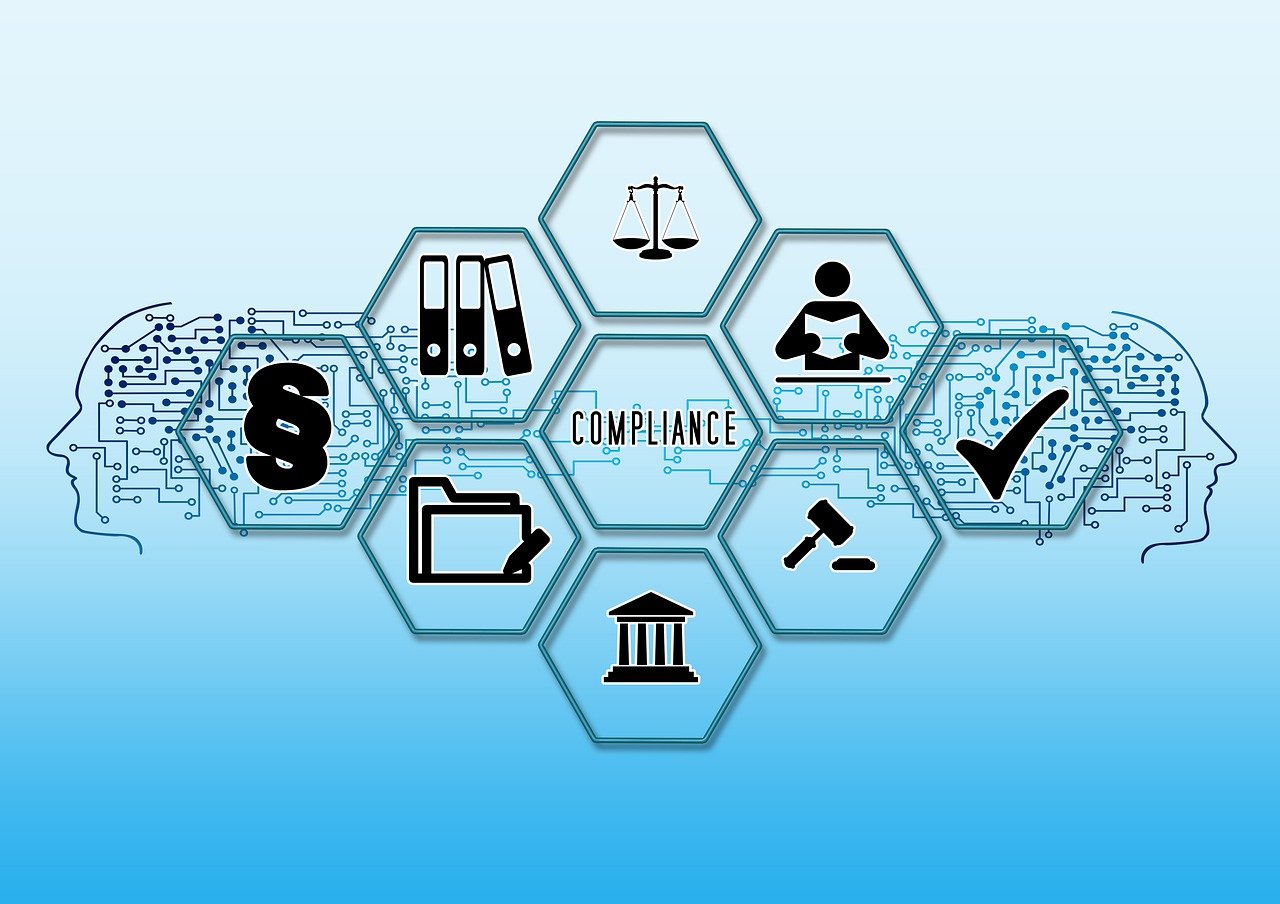

Private Banking Compliance: Meeting Global Standards
Private banking compliance plays a crucial role in the financial landscape. Clients in private banking expect personalized services that align with regulatory standards globally. Compliance ensures the protection of both the institution and its clients. With increasing scrutiny from regulators, private banks must implement robust compliance frameworks. Compliance officers are responsible for overseeing operations and identifying potential risks. This vigilance helps in maintaining the integrity of financial systems and guarantees trust from high-net-worth clients. Global standards demand that private banks adhere to financial crime prevention recommendations. This involves understanding the anti-money laundering (AML) regulations and adhering to know-your-customer (KYC) requirements. Separate mechanisms need to be in place to ensure a thorough vetting process of all clients. Adequate training of staff is essential for recognizing red flags associated with suspicious activities. Furthermore, developing superior technological means for monitoring transactions can enhance compliance. Private banks should invest in platforms that facilitate prompt reporting and compliance checks across all jurisdictions. Embracing best practices in compliance management positions the banks competitively in the market, while also creating solutions that benefit clients and regulators alike.
The evolving landscape of regulations necessitates tailored compliance strategies. Financial institutions are no longer operating in isolated environments; international collaboration is increasingly necessary. Regulatory bodies across countries have begun to harmonize compliance standards. Private banking institutions must engage with these evolving standards effectively. This engagement involves continuously updating internal policies and structures. An organization’s compliance program should adapt as legislation changes both locally and internationally. Audits and regular assessments provide timely insights into compliance status and highlight areas needing improvement. Private banks should prioritize fostering a culture of compliance among employees as they are the first line of defense. Creating awareness about compliance among frontline staff offers them tools to identify risks proactively. Furthermore, embracing technology for compliance offers innovative solutions, expediting the due diligence process. Such technological solutions often include artificial intelligence, allowing for efficient data analysis and quicker anomaly detection. A proactive approach is essential for managing compliance challenges effectively before they escalate into larger issues. Investment in continuous education and resources enhances business resilience and supports better service delivery to clients. Overall, the integration of strategic thinking in compliance will yield benefits for private banking institutions.
The Role of Technology in Compliance
In recent years, technology has revolutionized compliance within the private banking sector. Institutions are leveraging advanced tools to streamline compliance processes and enhance efficiency. This ongoing technological evolution allows for better data management, helping banks comply swiftly with regulations. Big data analytics and machine learning algorithms facilitate pinpoint accuracy in monitoring potentially suspicious activities. Enhanced data analytics contribute significantly to compliance success through robust risk and data management systems. These technologies enable institutions to sift through larger datasets effectively, making compliance more manageable. Furthermore, implementing comprehensive software solutions can simplify record-keeping and reporting obligations. Such innovations minimize bureaucratic delays and errors, often leading to increased organizational effectiveness. Real-time monitoring functionalities in technological platforms ensure that anomalies are detected immediately. Adopting such technologies leads to fostering a culture of compliance via higher transparency and better communication within teams. Technological advancements also drive collaboration within teams, helping them share vital information. As the landscape continues changing, private banks must remain flexible. By continuously assessing and implementing technology-enabled solutions, banks can maintain compliance while focusing on core services. Embracing this forward-thinking approach is critical for long-term sustainability.
Compliance in private banking also emphasizes the importance of ethical conduct. Private banks must construct compliance frameworks founded on a culture rooted in ethics and integrity. This requires that institutions not only meet legal standards but also uphold moral obligations. Encouraging ethical behavior among employees nurtures a stable environment that aligns with clients’ expectations. Clearly defined ethical guidelines and standards should be communicated to all employees regularly. Training sessions serve as an opportunity to instill these values, reinforcing the significance of corporate governance. Institutions must also have proper mechanisms for addressing breaches of ethical guidelines. Such mechanisms could involve whistleblower protection policies that create safe spaces for employees who report misconduct. Additionally, compliance should not be a standalone function but integrated into overall business strategy. Linking compliance objectives to business goals drives a deeper understanding of significance among staff. A transparent compliance approach bolsters reputation, attracting the clientele private banks aim to serve. The impact of ethical compliance is profound, extending to enhanced trust and loyalty from clients. Therefore, fostering a culture that supports ethical practices remains paramount for any private banking institution.
Challenges in Meeting Global Compliance Standards
Despite the various advancements in compliance frameworks, private banks face pressing challenges. Different countries have unique regulatory requirements, creating complexities for institutions operating in multiple jurisdictions. This variability can result in challenges related to compliance costs and operational efficiencies. The enforcement of stringent regulations often requires significant investments into compliance infrastructure. As a result, private banks must balance resource allocation towards compliance and business growth. Moreover, keeping track of evolving laws requires ongoing research and dedicated personnel. Relying solely on in-house capabilities could expose private banks to risks. Outsourcing certain compliance functions to experts can alleviate the burden on internal teams. Nevertheless, this strategy necessitates careful selection of service providers. Data-sharing concerns and confidentiality issues can arise from outsourcing, as private banking involves handling sensitive information. Complications in maintaining consistent communication with third parties can also pose additional risks. Furthermore, financial crime threats continue evolving, making compliance more challenging. The ever-changing landscape of cyber threats makes it imperative for banks to adopt adaptive strategies, addressing potential financial crimes habitually. By prioritizing these elements, private banks can begin to mitigate the challenges—they face in compliance.
Effective communication serves as another vital linchpin in compliance management. Private banks should establish open channels that promote information flow among compliance teams. Regular meetings that include key stakeholders help align organizational goals with compliance mandates. Engaging leadership in compliance dialogues ensures that it remains a priority across all levels. The role of leadership is instrumental in determining the tone and direction of compliance initiatives. Furthermore, identifying compliance leaders who can champion various aspects within teams is prudent. These leaders often advocate for better compliance practices and help address obstacles while ensuring accountability. Even with a proactive framework, remaining adaptable is essential. Compliance units should cultivate a response plan for crises, ensuring teams are prepared to act swiftly when challenges arise. Continuous training on emerging trends amplifies employees’ capability in addressing compliance-related concerns. Furthermore, building relationships with regulators ensures that banks stay ahead of potential changes. Keeping these lines of communication open fosters credibility and trust with oversight entities. During audits or assessments, banks that demonstrate good communication tend to navigate regulatory inquiries more effectively. This proactive communication approach ultimately contributes to a robust culture of compliance.
Conclusion: The Future of Private Banking Compliance
As the financial landscape evolves, the future of private banking compliance is increasingly dynamic. Emerging technologies paired with evolving regulations will shape compliance strategies significantly. Private banks have a vital role in adopting advancements efficiently while ensuring compliance with global standards. Building synergies between human capabilities and technology will streamline compliance processes further. Although challenges persist, the solutions will likely evolve along with the challenges. Creative problem-solving will support institutions in navigating complexity while fostering trust among clients. Continuous education and training ensure compliance teams remain equipped with the right skills to address new demands. By remaining informed and flexible, private banks can navigate compliance requirements with finesse. An emphasis on transparency builds stronger relationships with clients, fostering loyalty. Moreover, private banks that prioritize compliance will likely outperform competitors in terms of reputation and trustworthiness. Dynamic engagement within the industry is necessary for adapting to changing compliance landscapes. The future is bright for private banking institutions that embrace progressive compliance strategies. This forward-thinking approach will elevate financial services while enhancing institutional resilience and strength.
As regulations become more widespread, private banks will need to grasp compliance intricacies thoroughly.