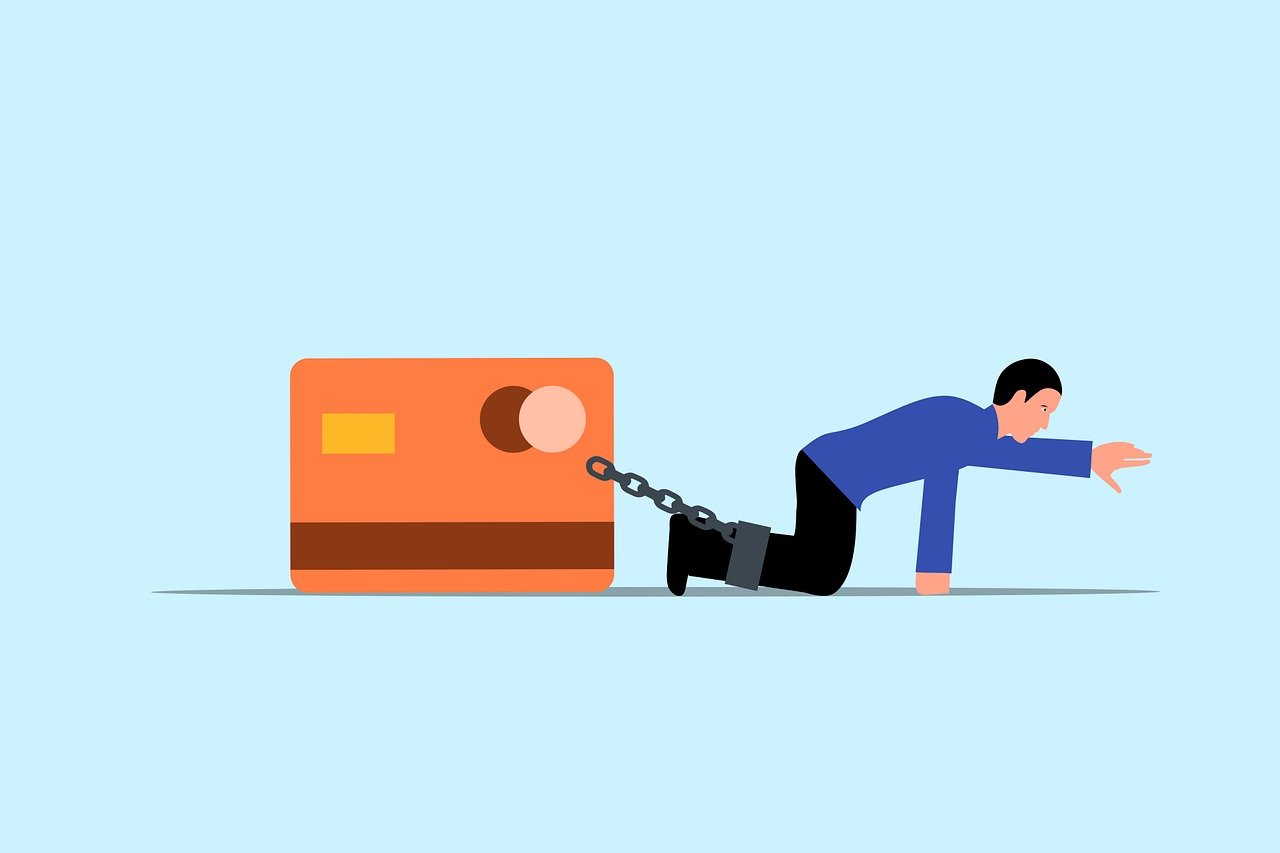

The Impact of Credit Card Debt on Consumer Spending
Credit card debt significantly influences overall consumer spending within an economy by impacting disposable income levels. When consumers accumulate a substantial amount of debt, they find themselves dedicating a significant portion of their income to repayment. This allocation of resources can substantially affect their ability to engage in discretionary spending. As a result, households burdened with high credit card debt may cut back on non-essential purchases. Reduced consumer spending directly influences economic growth as consumption accounts for a large proportion of Gross Domestic Product (GDP) in developed economies. When consumer sentiment is low due to debt, spending tends to drop, leading to lower business revenues. These declines can have a cascading effect, as businesses may subsequently reduce investment, leading to slowed innovation and reduced workforce hiring. To understand the cyclical nature of this process, one can consider how retailers experience reduced sales, which can lead to staff layoffs. Businesses relying heavily on consumer purchases could even contemplate downsizing their operations. As demand diminishes, the economy may struggle to maintain robust growth rates, establishing a clear connection between credit card debt and economic performance.
Another critical aspect to evaluate is the role of credit utilization rates in the broader economic context. When individuals utilize credit cards excessively, it may indicate economic stress or a lack of available disposable income. High credit utilization ratios often raise concerns among creditors about the borrower’s financial stability. As a result, the willingness of banks and financial institutions to lend may decrease in response. Lower lending levels can restrict overall economic activity, resulting in slower expansion rates and reduced business investment as firms find it increasingly challenging to acquire financing. Additionally, when consumers rely heavily on credit cards to make ends meet, it can create a feedback loop of debt dependency. This phenomenon occurs as individuals continue to accumulate debt without a solid plan to pay it down. In such cases, the community as a whole can feel the effects as diminished spending leads to weaker local economies. Furthermore, credit card debt can disproportionately affect lower-income individuals and families, hence widening wealth inequality. Greater understanding of these dynamics is essential for consumers, policymakers, and financial institutions when designing interventions or assistance programs aimed at alleviating household debt burdens.
The Psychological Effects of Credit Card Debt
Emotional and psychological aspects of credit card debt are often overlooked, yet they play a crucial role in economic dynamics. Consumers grappling with high debt levels frequently experience stress and anxiety, impacting various aspects of their lives. This stress can lead to poorer decision-making regarding financial matters, as anxiety may drive impulsive purchases or procrastination in addressing outstanding debts. Furthermore, anxiety over unpaid bills can result in individuals avoiding financial discussions altogether, creating a cycle of ignorance about their financial situation. This emotional burden may restrict an individual’s willingness to take risks, such as investing in education or starting a business, which could subsequently enhance economic growth. From a societal perspective, when individuals prioritize debt repayment over personal development, societies miss out on potential innovations and advancements. Thus, there arises a substantial need for financial education and stress management resources to assist individuals in overcoming the burdens caused by excessive debt. By fostering a better understanding of personal finance, individuals can begin to break the cycle associated with credit card debt, which not only benefits them but also stimulates broader economic progress and development.
Moreover, the burden of credit card debt often leads to increased bankruptcy rates, another factor that can negatively affect economic growth. When individuals find themselves overwhelmed with debt, they often resort to declaring bankruptcy as a means of gaining relief. Though this may provide immediate relief for the debtor, it possesses long-term consequences for the economy. High bankruptcy rates can lead to a loss of confidence in the financial system and promote stricter lending standards among creditors. In turn, this can result in restricted access to credit for consumers, ultimately stifling economic activity. Businesses may also struggle to recover from the impacts of elevated bankruptcy cases, as they may experience reduced clientele and stronger competition due to the market’s contraction. Additionally, individuals who declare bankruptcy carry the stigma of having failed financially, which can manifest itself in hesitance towards future investment or spending opportunities. This hesitance not only affects their personal situation but can also wield negative repercussions on the community surrounding them. By recognizing these widespread effects, stakeholders and leaders can better address the links between bankruptcy, credit card debt, and overall economic stability.
Policy Interventions to Manage Credit Card Debt
In light of the ramifications caused by credit card debt, policymakers must collaborate with financial institutions to develop supportive frameworks aimed at reducing overall debt levels among consumers. Enhanced financial literacy programs can play a pivotal role in educating individuals about responsible credit management and budgeting. Education aids people in understanding how to navigate credit systems effectively and empower them to make informed financial decisions. Additionally, establishing clearer guidelines around lending practices could help protect consumers from predatory lending behavior. Regulatory measures should be put in place to prevent excessive interest rates and fees that contribute to the cycle of debt dependency. Furthermore, creating incentives for creditors to offer low-interest loans or debt consolidation options could aid struggling households in managing existing debt effectively. Finally, policymakers should consider the linked nature of revolving credit and emergency fund creation, encouraging consumers to maintain savings that act as a buffer against unexpected expenses. By implementing a comprehensive set of measures, the adverse impact of credit card debt on economic systems can be significantly mitigated.
Moreover, understanding the demographic factors surrounding credit card debt is vital for developing effective policies. Research indicates that younger generations, including millennials and Gen Z, increasingly utilize credit cards, often leading to potential pitfalls due to a lack of financial experience. This demographic’s engagement with technology can also influence how they approach credit management. For example, fintech applications that help users track spending may serve as effective tools in promoting responsible borrowing habits. On the other hand, the rapid availability of credit can create a false sense of security that lures consumers into overextending and accumulating debt. Additionally, trends reveal that many individuals are unaware of their credit scores or the implications of high-interest debt, leading to further financial vulnerabilities. By recognizing these demographic factors, financial educators can tailor programs specifically suited to address the needs of younger individuals. This targeted approach allows for stimulation of healthier borrowing behavior in the younger population, which can ameliorate the cycle of credit card debt and ultimately foster greater economic stability for the future.
Conclusion: The Interconnection of Credit Card Debt and Economic Stability
To summarize, credit card debt serves as a significant indicator of economic health, influencing various aspects of financial stability. The effects of accumulated debt ripple throughout economies, affecting consumer behavior, institutional lending, and even broader community dynamics. Policymakers must prioritize addressing credit card debt issues in the wake of changing economic conditions to ensure comprehensive approaches are established. By understanding the complexities surrounding this issue, individuals and organizations can work collaboratively to develop strategies that mitigate the adverse effects of debt and promote responsible borrowing behavior. Financial education and intervention play essential roles in empowering consumers to manage their debts wisely, alleviating the burdens they face while simultaneously stimulating economic growth. These actions will have broader implications, benefitting not only individual households but also enhancing the overall economic climate. Furthermore, as economies continue to evolve, continuous monitoring of credit trends and debt levels is paramount in safeguarding long-term economic stability. By fostering a culture of financial literacy, communities can thrive sustainably, paving the way for a prosperous future characterized by reduced reliance on credit and proactive financial management.
In conclusion, the state of credit card debt in any given economy acts as an essential economic barometer. Rising levels of consumer debt can signal underlying issues within that economy, while sustained low levels can point to economic robustness and effective credit management. Engaging stakeholders, from policymakers to consumers, in dialogue surrounding credit card debt and promoting responsible lending practices is essential. This fosters a healthier overall economic environment, leading to more resilient communities and a stronger financial foundation for the future. Ultimately, addressing credit card debt proactively can galvanize economic advancement and contribute to the overall well-being of society.