
Risk Management Approaches for Secure Financial Marketplaces
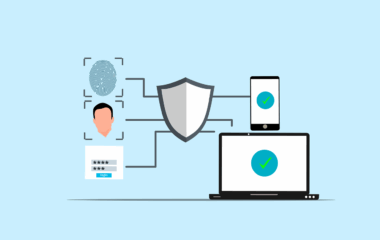
In the ever-evolving landscape of finance, secure trading platforms must prioritize risk management to protect both investors and businesses. The threat landscape evolves, exposing various vulnerabilities that can affect transaction integrity. One critical approach in secure trading systems involves implementing robust encryption methods to safeguard sensitive data. This prevents unauthorized access and enhances confidentiality. Organizations must also adopt multi-factor authentication to ensure that only authorized users can access trading platforms. Each additional layer of security significantly reduces the risk of breaches. Moreover, regular security assessments should be conducted to identify potential weaknesses and update systems accordingly. Businesses should remain vigilant against evolving cyber threats that can exploit vulnerabilities in trading systems. Educating employees about security best practices is also crucial for maintaining a secure environment. By fostering a security-conscious culture, organizations can better mitigate risks. Furthermore, collaboration with regulatory bodies ensures compliance and builds trust among stakeholders. Ultimately, an integrated risk management approach will not only protect marketplace integrity but also foster investor confidence, essential for sustained growth in decentralized financial ecosystems. Secure trading requires ongoing commitment to adapt and strengthen defenses against emerging threats.
Implementing effective risk management strategies is essential for financial institutions. This requires ongoing investment in technology and training programs to ensure that employees remain informed and alert. Regular updates to security protocols and infrastructure are critical. Upgrading software can patch vulnerabilities often targeted by cybercriminals. Additionally, organizations should utilize threat intelligence tools that provide insights into potential risks, enabling proactive responses. Risk management frameworks, such as the ISO 31000 standard, offer structured approaches to identifying, assessing, and mitigating risks. These frameworks guide organizations in establishing clear roles and responsibilities, fostering accountability. Stress testing trading systems against various market conditions is also a vital practice that helps to ensure stability and preparedness. Furthermore, secure trading platforms must include contingency plans for incident response. In the event of a security breach, swift action can minimize damage and restore normal operations. Communication with clients during a crisis is paramount; transparency helps to maintain trust and confidence. As financial markets continue to digitize, organizations that prioritize risk management will differentiate themselves by offering safer and more reliable trading experiences. Ultimately, integrated approaches to risk management shall align security measures with overall business objectives.
The Role of Compliance in Trading Systems
In the realm of secure trading systems, compliance with legal and regulatory requirements is of utmost importance. Regulatory frameworks such as the Anti-Money Laundering (AML) and the Know Your Customer (KYC) guidelines are critical for maintaining transparency. Financial institutions are legally obligated to verify the identity of their clients and monitor transactions for any suspicious activity. Compliance not only minimizes legal risks but also fosters trust among investors. Firms must implement robust compliance management systems that integrate seamlessly with trading platforms. This integration facilitates real-time monitoring of transactions, ensuring adherence to regulatory mandates. Failure to comply can result in significant financial penalties and reputational damage. Training employees in compliance protocols is also essential for cultivating a culture of accountability. Financial institutions should regularly update their compliance training programs to reflect changing regulations. In addition to internal measures, organizations must collaborate with regulatory authorities to ensure compliance with industry standards. Furthermore, adopting technologies such as blockchain can enhance transparency, allowing for more effective compliance monitoring. By prioritizing compliance, firms can create secure trading environments that protect against fraud and enhance operational integrity.
Data security measures in financial marketplaces must address various aspects to maintain trust. Leveraging cutting-edge technologies is vital for protecting sensitive information. Implementing advanced firewalls, intrusion detection systems, and regular data audits can significantly bolster security. Organizations should also prioritize user education, ensuring clients understand secure trading practices. Strong passwords and frequent password changes are basic yet effective measures that can thwart unauthorized access. Moreover, organizations must consider data sovereignty issues, as being aware of where data resides is crucial for legal compliance. Utilizing cloud services that comply with GDPR and other regulations adds an extra layer of security. Proper data management not only strengthens security but also enhances operational efficiency. Institutions should have clear policies on data retention and deletion, mitigating risks associated with outdated information. Furthermore, Incident response plans are vital components of data security strategies. They outline procedures for handling potential data breaches, ensuring swift action can be taken to minimize damage. Collaboration with legal teams is essential for navigating compliance complexities. Overall, ensuring data security in finance requires commitment to go beyond regulatory compliance and foster a security-first culture throughout the organization.
Emerging Technologies in Secure Trading
Emerging technologies play a crucial role in enhancing security in trading systems. Innovations such as Artificial Intelligence (AI) and Machine Learning (ML) are transforming risk assessments. These technologies enable organizations to analyze large datasets in real-time to detect unusual behaviour patterns automatically. As a result, institutions can respond quickly to potential threats and protect assets more effectively. Moreover, the adoption of Blockchain technology contributes to the integrity of transactions by providing a decentralized and immutable ledger. This transparency minimizes the possibility of fraud in trading activities. Additionally, biometric authentication is gaining traction as a more secure method for user verification. Fingerprint and facial recognition technologies help reduce the risk of identity theft. Furthermore, the Internet of Things (IoT) has also introduced new dimensions of security challenges, necessitating advancements in trading platform security. Organizations must adopt cutting-edge encryption protocols to secure the communication between IoT devices and trading systems. As businesses integrate these technologies, ongoing monitoring is essential to ensure they effectively mitigate risks. Thus, adopting emerging technologies for secure trading systems is vital for enhancing resilience and maintaining market stability in today’s volatile financial landscape.
Secure trading platforms must incorporate continuous risk assessment processes to remain effective. By evaluating potential vulnerabilities regularly, organizations can adjust their security measures accordingly. Utilizing automated tools and software solutions aids in real-time monitoring for anomalies. Advanced analytics can detect early signs of abnormal activity, allowing swift investigation before significant damage occurs. Moreover, conducting routine penetration testing simulates cyber-attacks within actual operational environments, helping developers discover security gaps. These proactive measures prepare organizations for potential threats. Establishing a Security Operations Center (SOC) can centralize security operations, enabling organizations to coordinate their responses to security incidents more efficiently. Additionally, fostering collaboration among various business teams ensures a cohesive approach to risk management. Integrating security into the organization’s culture is crucial for achieving a successful security posture. Employees should be encouraged to embrace their role in the security ecosystem, identifying risks and reporting suspicious activities. Moreover, organizations should invest in cybersecurity awareness training to equip staff with the knowledge to navigate threats effectively. In conclusion, continuous risk assessment integrated with a proactive security culture will be the cornerstone of secure trading platforms and confidence in financial marketplaces.
Building a Resilient Trading Environment
To build resilience in trading environments, financial institutions must adopt a multi-faceted approach to risk management. This encompasses not only technology and compliance but also organizational culture and stakeholder engagement. Establishing a robust governance framework is essential for ensuring that risk management practices align with business goals. High-level management involvement in risk assessment processes promotes a culture of accountability. Moreover, engaging with external stakeholders enhances trust and credibility within the financial ecosystem. Collaboration among participants in trading systems can uncover new security challenges and inform proactive solutions. Additionally, organizations should not underestimate the value of third-party risk management when partnering with external vendors. Comprehensive assessments of third-party service providers are crucial for understanding potential risks. Furthermore, financial institutions should implement contingency planning to prepare for business disruptions, ensuring operations can continue under adverse conditions. This involves identifying critical business functions and developing plans for maintaining them during crises. Regularly testing these contingency plans enables organizations to refine their responses constantly. Ultimately, a resilient trading environment requires organizations to embrace adaptability and continuous improvement. By doing so, they position themselves to navigate the complexities of modern financial markets.