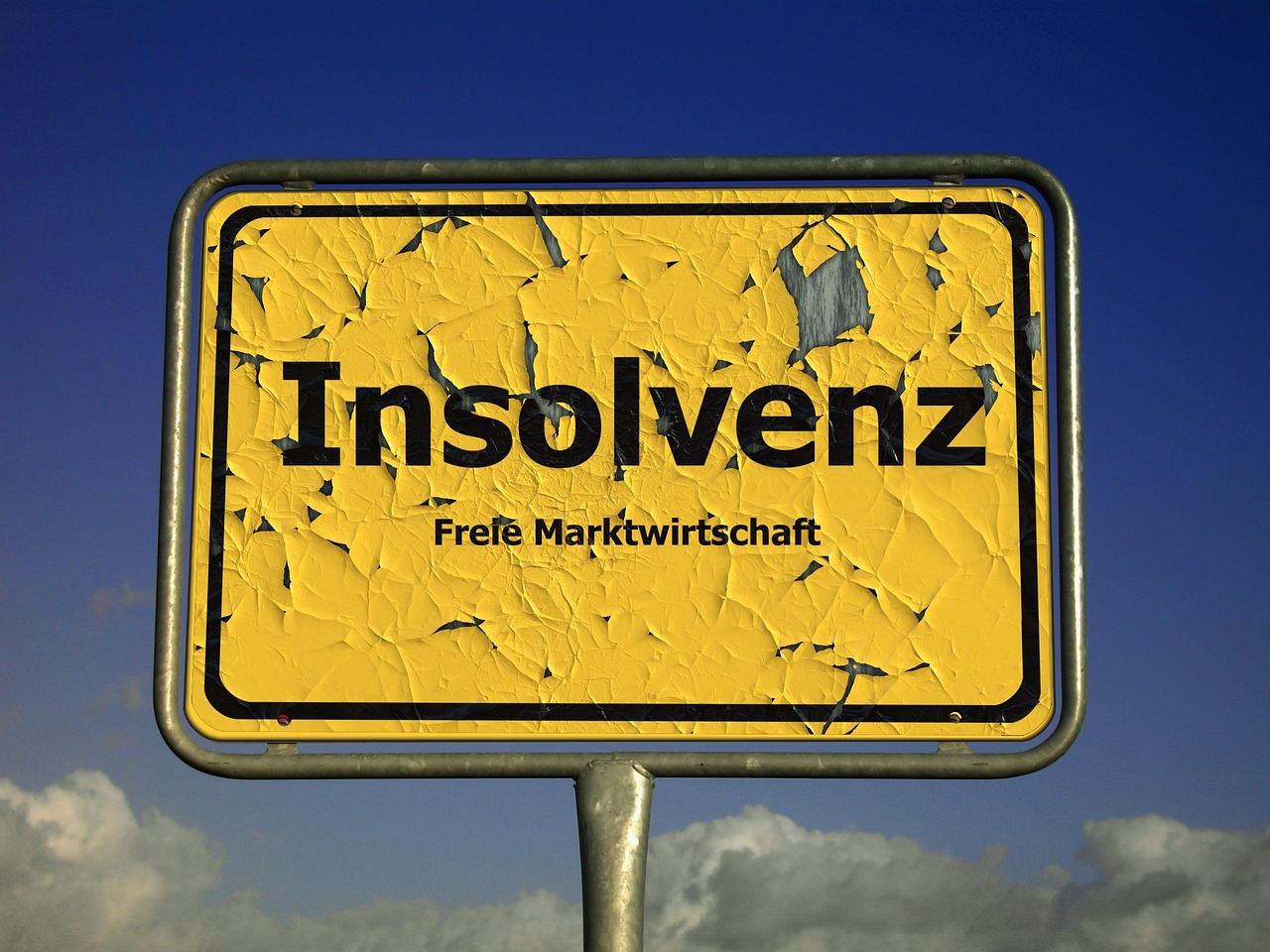

Fiscal Approaches to Support Small and Medium Enterprises in Crises
Small and medium enterprises (SMEs) play a crucial role in the global economy, accounting for a significant share of employment and economic output. During economic crises, such as recessions or pandemics, SMEs often suffer from a lack of liquidity, reduced consumer demand, and disrupted supply chains. In light of these challenges, fiscal policy measures become essential for supporting SMEs, facilitating their survival and resilience. Effective fiscal strategies can provide the necessary financial assistance to continue operations and protect jobs. Governments can implement various measures, including tax relief, subsidies, low-interest loans, and grants. Such approaches help businesses maintain cash flow, cover critical expenses, and invest in recovery initiatives. Fiscal measures targeting SMEs can also foster innovation, encouraging them to pivot their services or products to meet changing market demands. It is crucial for policymakers to design these fiscal tools effectively, ensuring accessibility for SMEs. By focusing on these approaches, governments can help to stabilize their economies, sustain employment levels, and enhance the overall recovery process for the business sector.
The impact of fiscal policy measures on SMEs should be closely monitored to evaluate their effectiveness. Data-driven decisions are vital to ensure that financial support is allocated efficiently and reaches the businesses that need it most. Monitoring also assists in identifying potential barriers to access, enabling adjustments in the implementation of fiscal policies. Governments should employ transparent criteria for eligibility and streamline application processes for fiscal support. Moreover, collaboration between public and private sectors can enhance the reach of these initiatives. By engaging business associations and chambers of commerce, governments can effectively disseminate information about available resources and assistance programs. Additionally, targeted training sessions can be organized to equip SMEs with essential knowledge regarding financial management and crisis response strategies. This not only benefits individual businesses but also contributes to the overall stability of the economy. It is also vital to communicate the economic rationale behind these fiscal measures to gain public support and legitimacy. Sustaining trust in governmental interventions can facilitate a quicker recovery for SMEs during crises and foster a more robust post-crisis economic environment.
Types of Fiscal Measures
To effectively support SMEs during crises, governments can utilize a variety of fiscal measures designed to address specific needs. These measures often include direct cash assistance, tax incentives, grants, subsidized loans, and investment in infrastructure. Direct cash assistance provides immediate relief to struggling businesses, allowing them to cover urgent operational costs. Tax incentives, such as delayed tax payment deadlines or property tax reductions, can alleviate financial burdens, encouraging SMEs to maintain their workforce. Grants can be particularly effective when aimed at specific sectors or initiatives, such as technology upgrades or training programs. On the other hand, subsidized loans can empower businesses to invest in recovery efforts while minimizing repayment obligations. Investment in infrastructure, such as improved digital capabilities or transportation networks, can further enhance SMEs’ resilience. By deploying a mix of these fiscal instruments, governments can create a comprehensive support framework that meets diverse SME needs during crises. An adaptive approach, responsive to trends in the business environment, can amplify the effectiveness of these initiatives and ensure long-term sustainability for SMEs.
Fiscal policy must remain flexible and responsive to the unique challenges presented during economic crises. As circumstances evolve, so too must the strategies implemented to aid SMEs. Policymakers may need to rethink traditional fiscal measures to ensure they are relevant and effective. This adaptive approach can include revisiting eligibility requirements and adjusting the scale of financial support based on ongoing assessments of the economic landscape. Engaging in regular dialogue with SMEs and industry experts is pivotal in gathering insights on their needs and challenges. This will help create policies that resonate with reality, maximizing their impact. Additionally, around-the-clock communication channels can ensure businesses are always informed about changing circumstances and support measures. Governments should also coordinate with international organizations to share best practices and align strategies. By fostering collaboration on a global level, support for SMEs during crises can be more holistic and comprehensive. These efforts can not only mitigate immediate impacts but also build strong foundations for future resilience, ensuring that SMEs can thrive in the long run, even faced with unforeseen challenges.
The Role of Government Support Programs
Government support programs play an instrumental role in bolstering SMEs, especially during economic downturns. These programs often encompass financial aid, training, and consultation services that help businesses navigate crises. Financial assistance programs can be designed to provide grants, direct payments, or subsidized loans that enhance cash flow. Such support is critical because it empowers SMEs to sustain operations and avert layoffs. Furthermore, training programs can equip business owners with essential skills in areas such as digital marketing, financial management, and crisis response. This knowledge empowers SMEs to adjust their business strategies in line with changing market conditions. Consultation services facilitated through government initiatives can also connect businesses with industry experts who provide personalized advice on overcoming challenges. By creating robust support programs, governments strengthen the relationship between themselves and SMEs, fostering a collaborative environment. These relationships can lead to greater innovation and adaptability within the SME sector, making it more resilient in the face of future economic disturbances. Ultimately, a strong framework of government support not only helps SMEs but also contributes to the overall health of the economy.
In addition to traditional support programs, governments can leverage technology to enhance the efficiency and accessibility of fiscal measures for SMEs. Digital platforms can streamline application processes for financial assistance, making it easier for businesses to request and receive help. By utilizing online tools, governments can reduce bureaucratic hurdles, enabling quicker disbursement of funds. Moreover, these platforms can serve as information hubs where SMEs can access vital resources, such as best practices for crisis management and relevant market data. By fostering an ecosystem of support, technology can facilitate connections between SMEs and potential investors or partners. By encouraging digital transformation within the SME sector, governments can empower businesses to thrive in an increasingly competitive, technology-driven market. Furthermore, integrating feedback mechanisms into digital platforms can also help governments continually refine their programs based on user experiences and needs. This iterative approach ensures that support systems evolve in line with changing economic realities, enhancing their effectiveness. Embracing technology represents a crucial step toward building a resilient SME landscape, ensuring that businesses can weather future crises.
Conclusion and Future Directions
To conclude, fiscal policies tailored for SMEs during economic crises are vital for maintaining a healthy economy. The combination of various fiscal instruments can create a robust safety net that allows businesses to weather challenges effectively. As crises unfold, governments must remain agile by continuously assessing the needs of SMEs and adapting policies accordingly. Stakeholder engagement, especially with business owners and industry experts, will enhance policy relevance and efficacy. Moreover, leveraging technology will not only improve access to support but also promote innovation across the sector. The future holds significant potential for SMEs if well-structured fiscal measures are implemented. Governments should strive for a balance between immediate relief and long-term development, recognizing that resilient SMEs ultimately drive economic stability and growth. In preparing for future economic disturbances, the focus on sustainable practices, digital transformation, and collaborative approaches will be essential. By prioritizing support for SMEs, policymakers can lay the groundwork for a robust economy capable of withstanding future crises and emerging stronger than before.
The coordination of fiscal strategies across borders can also create robust ecosystems that allow SMEs to thrive in an interconnected world. By aligning policies and collaborating with international partners, governments can facilitate trade opportunities and share valuable resources. Moreover, benchmarking best practices and learning from the experiences of other nations can enhance effectiveness. Countries can develop joint ventures aimed at fostering innovation within the SME sector, ensuring their competitiveness on a global scale. The increased collaboration enhances the resilience of all participating nations, creating networks that transcend geographical boundaries. As international markets evolve, SMEs that adapt swiftly will remain relevant and sustainable. Ultimately, governments must recognize that investment in SMEs translates to broader economic growth and social stability. Forward-thinking fiscal policies that adapt to the changing landscape, efficiently empower SMEs, and utilize technology will solidify a foundation for sustained prosperity.