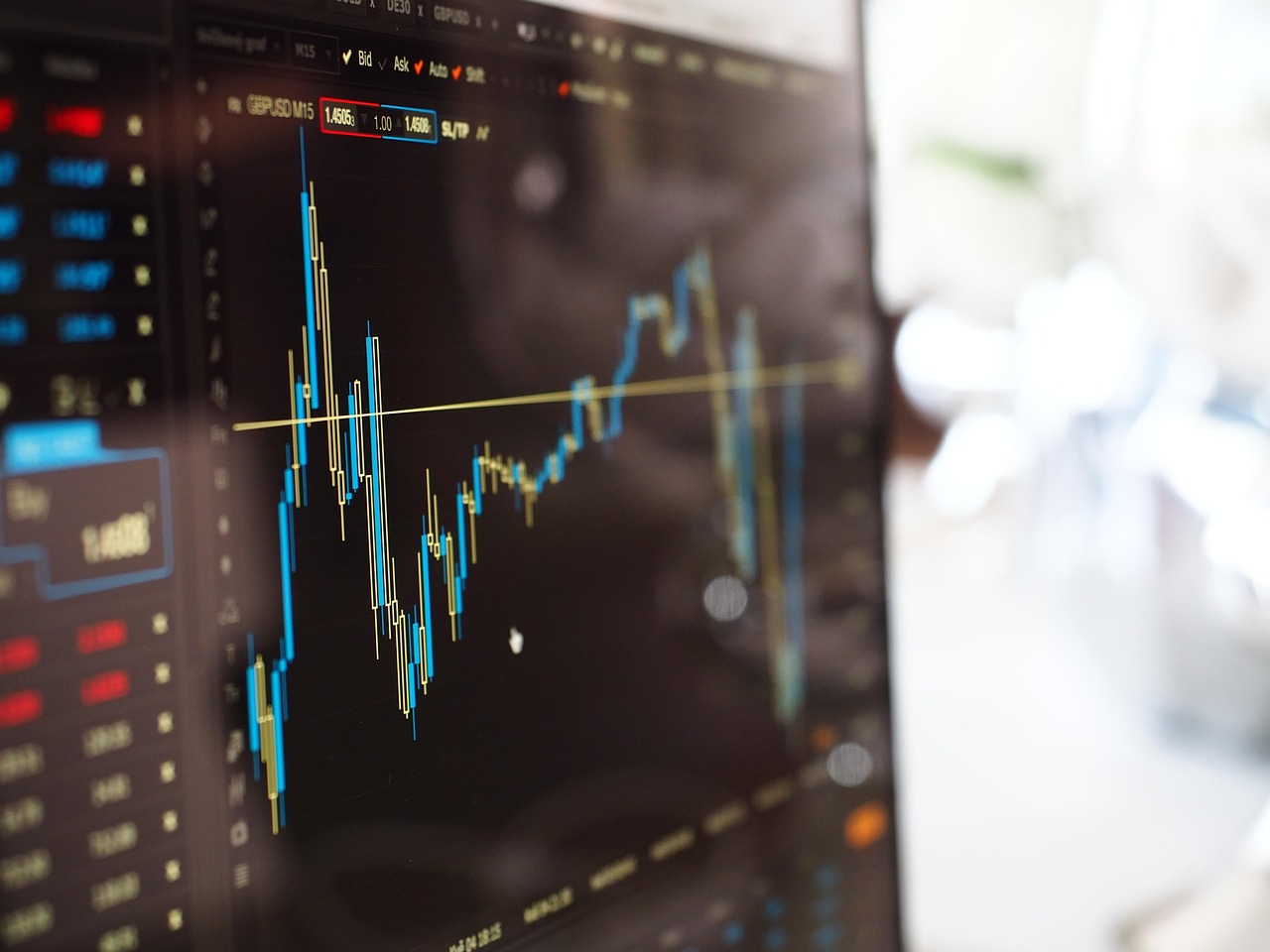

Backtesting Algorithms: Best Practices and Tools
Backtesting is a critical component of algorithmic trading, allowing traders to validate the performance of their strategies before deploying them in real markets. It enables the assessment of historical data to determine how a trading algorithm would have performed in past conditions. Effective backtesting can provide valuable insights into both the strengths and weaknesses of a trading strategy. However, for backtesting to be effective, traders need to have access to quality historical data. This data must be cleansed and appropriately formatted to ensure accurate results. Moreover, the selection of the right backtesting tool is equally important as it impacts the overall comprehension of the results, leading to informed decision-making. Using reliable backtesting software can lead to faster and more precise strategy evaluations. Options may vary from simple backtesting platforms to comprehensive trading software with detailed analytics, making it essential for traders to understand their personal needs and expectations. Jointly utilizing good data and tools will significantly enhance a trader’s ability to refine their strategies and achieve their desired outcomes.
Best Practices in Backtesting
Implementing best practices in backtesting can help traders avoid common pitfalls and ensure successful algorithm development. Firstly, it is crucial to use high-quality historical data, as poor data can lead to misleading results. Traders should ensure that the data reflects accurate pricing and includes adjustments for dividends and stock splits. Secondly, the backtest should encompass a broad range of market conditions to verify the robustness of the trading strategy. This approach will help ensure that the algorithm can withstand different market environments. Additionally, traders should avoid overfitting their algorithms, which occurs when a strategy is too finely tuned to past data. This can result in poor performance in future conditions. Instead, using a validation set to test the algorithm on unseen data can provide a more realistic performance assessment. Finally, implementing a proper risk management framework during backtesting will enable traders to understand potential risks associated with their strategies. Furthermore, it is essential always to remain skeptical of backtest results and continuously strive for improvements based on real-world testing.
One of the most useful tools for backtesting algorithms is a simulator that accurately replicates live market conditions. These simulators allow traders to input their strategies and execute trades based on historical price information. Metatrader, TradeStation, and NinjaTrader are popular platforms that offer extensive backtesting capabilities. Each platform has specific features, such as strategy development, performance metrics, and risk analysis tools that traders can utilize to optimize their algorithms. Additionally, many platforms offer a community forum where traders can share insights and strategies. This can enhance the learning process, allowing them to benefit from the experiences of others who have faced similar challenges. Traders should also explore open-source backtesting libraries, such as Backtrader and Zipline, as they offer the flexibility to customize backtesting strategies according to personal preferences. Those skilled in programming often find these options beneficial as they provide greater control over their tools and results. By carefully selecting appropriate tools and making informed decisions, traders can significantly improve their chances of success in algorithmic trading.
Common Mistakes in Backtesting
One common mistake traders make in backtesting is lacking a clear strategy. Without defined entry and exit rules, the backtest can yield unreliable results. Another frequent error is ignoring slippage and commissions, which can significantly affect the overall performance during live trading. These factors must be incorporated into the backtest to better simulate real market conditions. Furthermore, traders often neglect to properly segment their historical data into training and testing datasets. This leads to unintentional data snooping, where strategies risk becoming optimized solely for historical data, resulting in poor future performance. Moreover, relying on a single backtesting period can present a distorted view of the algorithm’s true viability. To counteract this, ensuring that backtests cover multiple timeframes and market conditions can provide a more holistic understanding. Also, traders should avoid making continuous adjustments to their strategies based on backtest results alone, as this can lead to overfitting. Instead, continuously testing strategies in live markets will produce more relevant performance insights. Acknowledging these mistakes can streamline the backtesting process and improve strategies.
After a thorough backtesting process, it’s essential to analyze the results critically to derive valuable insights. Performance metrics such as Sharpe Ratio, maximum drawdown, and win/loss ratio should be examined. These metrics help traders assess both the risk-adjusted return of their strategies and potential drawdowns they might experience in live trading. Additionally, visualizing results through charts can be quite beneficial. Plotting equity curves and comparing them against indices can give traders a clear perspective on their strategy’s performance relative to the market. Another essential aspect is considering the entire trading system, including any potential psychological factors that might affect decision-making during live trading. Implementing a trading journal can help track emotions, rationales behind trades, and adjustments made. This log can be invaluable for continuous improvement and self-reflection. Moreover, backtesting results should not be the end of the road; after analyzing the outcomes, traders must create an implementation plan detailing how to approach live trading based on those insights. Detailed reports can guide ensuring all aspects are covered before entering a live trading environment.
Real-Time Implementation
Transitioning from backtesting to real-time implementation involves significant considerations, as past performance does not always guarantee future results. A practical approach is to start with a demo account that mimics real trading conditions without risking actual capital. This allows traders to test their strategies with real-time data and adjust to any unforeseen issues. Once confidence is built, moving to a small live account can provide additional insights into the psychological aspects of trading, which aren’t fully captured in backtests. Real-life trading environment stresses the importance of executing trades based on predefined strategies without emotional interference. Moreover, traders must remain adaptable, as market conditions can shift dramatically. Therefore, it is crucial to have a systematic way of updating strategies based on poor or excellent performance exceeding expectations. Continuous performance monitoring helps in making necessary adjustments while remaining disciplined. Additionally, the implementation of robust risk management is vital during this phase. Measurements such as position sizing and daily limits can prevent significant losses. Therefore, dawning the reality of live trading is essential for all traders but especially vital after extensive backtesting.
In summary, backtesting remains a cornerstone for algorithmic trading. Engaging in best practices, avoiding common pitfalls, and selecting the right tools can significantly enhance the robustness of a trading strategy. By diligently analyzing results and creating a structured implementation process, traders can confidently enter live markets. Excel in your analytical skills to refine your strategies continually, and consider developing a supportive trading community to exchange ideas and learn from each other’s successes and mistakes. This collaborative approach can render valuable insights that have the potential to enhance performance. Consistent practice, learning, and adaptation are vital in navigating the trading landscape. Therefore, while backtesting is undoubtedly effective, the journey doesn’t stop there. Continual learning, embracing technological advancements, and understanding market dynamics will better prepare traders for the complexities of algorithmic trading. So, stay informed and update your strategies as market conditions evolve. Ultimately, a thoughtful approach to backtesting and real-time implementation lays the groundwork for becoming a successful trader in today’s fast-paced markets.
To reinforce these concepts, consider researching various case studies on successful algorithmic trading strategies that have undergone rigorous backtesting. Such case studies can provide practical examples of best practices and illustrate the potential pitfalls encountered in real-world scenarios. Websites and forums dedicated to trading often feature insights from experienced traders. Engaging with this content can empower novice traders with enhanced understanding while offering seasoned traders fresh perspectives. Additionally, incorporating regular reviews of trading strategies based on both backtesting and real trading experiences is essential for ongoing improvements. Look into submitting findings or observations in forums or publications to contribute to the community knowledge base. In doing so, you not only enhance your learning but also foster connections with other traders who share similar interests. As algorithmic trading evolves, staying connected with a broader community can yield significant benefits, from knowledge-sharing to collaborative opportunities. Keep abreast of technological advancements that might aid in more effective backtesting and real-time implementations. Bonafide learning is a continuous affair, especially in an industry subject to rapid developments and changes.