
Crowdfunding for Creative Projects: Funding Art, Music, and More
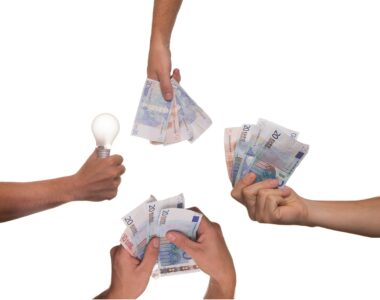
Crowdfunding has become a vital resource for many looking to fund creative projects, especially in fields like art and music. Unlike traditional funding avenues, crowdfunding enables individuals to collect small amounts of money from a significant number of people, typically via the Internet. Platforms like Kickstarter and Indiegogo have revolutionized how artists secure funds, allowing them to present their ideas directly to potential backers. This democratization of funding offers a unique opportunity to showcase creativity and gain financial support while maintaining full artistic control. Crowdfunding allows creators to avoid the intricacies of the standard financing process, which can often be lengthy and onerous. Moreover, it fosters a sense of community among participants. Supporters not only provide funding but also become invested in the success of the project, sharing it within their networks. Ultimately, this collaboration can lead to greater visibility and promotional opportunities for the artist. In this environment, building an engaging campaign while clearly articulating the vision becomes essential for success. Attention to detail in the presentation can significantly influence funding outcomes, and passionate storytelling can resonate deeply with potential supporters.
To kick off a crowdfunding campaign, it is crucial to understand the various elements involved. Crafting a compelling project description is essential, as this is what potential backers will first see. The description should include not only the project’s goal and purpose but also the story behind it. Artists should illustrate the value of their work and convey what makes it unique. Additionally, high-quality visuals, such as images or videos, play a key role in attracting attention. Creators should showcase their work in a visually appealing way to invoke interest among potential supporters. Images or video trailers featuring the artist’s process or the project in action can significantly enhance engagement. Furthermore, outlining the funding plan and clearly stating the desired amount is essential for transparency. It is also important to offer a variety of attractive rewards for different levels of support. This strategy can incentivize backers to contribute more generously. Effective promotion of the campaign helps ensure it gains traction. Social media, email marketing, and community outreach are excellent tactics for spreading the word about the project, which can lead to greater funding success over time.
Engaging Your Audience
Once a crowdfunding campaign is live, maintaining constant engagement with the audience becomes paramount. This involves regular updates on the project’s progress to keep supporters informed and excited. Artists should provide insights into their creative journey, showcasing how funds are making a difference and what challenges they’re overcoming. Engaging with backers through comments, social media, and even direct messages fosters a relationship and enhances the overall experience for supporters. Creating a sense of community around the project can also lead to organic sharing and increased contributions. Furthermore, hosting events or live Q&A sessions allows creators to interact directly with their audience, answer questions, and express gratitude for their support. Crowdfunding is not just a fundraising tool; it’s also an avenue for artists to build a fan base and gather loyal followers. Additionally, analyzing audience feedback and adjusting strategies accordingly can improve the campaign’s chances of success. This responsiveness shows backers that their opinions matter, thereby enhancing their commitment to supporting the project, which can lead to increased funding as well as lasting relationships in the artistic community.
The success of a crowdfunding campaign heavily relies on the target audience. Identifying and understanding the demographics of potential supporters can make all the difference. Creators should research the interests and preferences of their audience to tailor the campaign effectively. Marketing strategies should focus on reaching those who resonate with the project’s vision and themes. This may involve utilizing targeted advertisement methods or collaborations with influencers within the artistic community who align with the project’s ethos. Understanding the audience’s motivations for supporting creative endeavors helps artists communicate more effectively about their projects. It’s essential to convey passion, purpose, and the impact of the contribution clearly. Additionally, networking with other artists and creators can spark new opportunities for cross-promotion, further expanding the reach of the campaign. Engaging in online forums, social media groups, and creative circles can unveil valuable insights about potential backers. Ultimately, establishing strong connections with passionate supporters can lead to successful fundraising efforts that bring artistic visions to life and empower artists to share their works with the wider world.
Post-Campaign Success
After reaching the funding goal, the real work begins for artists. Successfully managing the project and delivering promised rewards is crucial to building trust and credibility with backers. It’s essential to keep supporters updated about the development and ensure that they feel involved throughout the process. A well-structured timeline detailing the project’s milestones helps keep everyone informed. Delivering timely rewards is as important as the campaign itself, and transparency regarding any delays or changes is vital for maintaining good relationships with backers. Artists should also consider gathering feedback from supporters after completing the project. Constructive insights can help refine future projects, enhancing their chances of success. Additionally, showcasing the finished work through social media and other platforms allows creators to celebrate their accomplishments while recognizing the role supporters played in that journey. Moreover, a successful crowdfunding campaign can open doors to further opportunities, such as collaborations, exhibitions, or even offers from traditional funding avenues. The connections made during the campaign often carry forward, enriching the artist’s career and expanding their reach into new audiences.
In recent years, crowdfunding has transformed the landscape for artists and creators, democratizing access to funding. This shift empowers solo musicians, visual artists, filmmakers, and others to pursue their passions without relying solely on corporations or traditional funding mechanisms. It emphasizes the value of grassroots support in the creative ecosystem, illustrating how individual backers can have a significant impact. Additionally, as the crowdfunding landscape continues to evolve, new platforms and opportunities emerge, expanding the possibilities for creators. The popularity of niche crowdfunding platforms specifically catering to specific artistic communities enhances the diversity of projects available for funding. Such platforms can facilitate targeted funding campaigns that resonate deeply with dedicated supporters, leading to innovative funding solutions. Furthermore, the collaborative nature of crowdfunding fosters community interaction and collaboration, often resulting in new forms of artistic expression that blend ideas and talents. As more individuals venture into crowdfunding, sharing their success stories, others become inspired to pursue similar paths. This cycle of artistic support and innovation perpetuates creativity’s ability to thrive, reinforcing the potential of crowdfunding as an invaluable resource for aspiring creators worldwide.
Conclusion
In conclusion, crowdfunding is an invaluable funding mechanism for creative projects across various disciplines. It empowers creators by offering direct access to potential backers without middlemen, enhancing the connection between the artist and their audience. Through proper planning, engaging marketing, and ongoing communication, creators can leverage crowdfunding to transform their ideas into reality. The future of the arts heavily relies on innovations like crowdfunding to support independent artists seeking to make an impact. By fostering a sense of community and collaboration, crowdfunding creates a vibrant ecosystem where artistic endeavors can flourish. As creators and supporters come together, goals become achievable, and dreams materialize into fully realized projects. The importance of storytelling, strong presentation, and active engagement cannot be understated, as they are key to attracting and retaining backers. Ultimately, crowdfunding embodies the spirit of modern creativity, encapsulating the belief that many voices can come together to champion unique visions in art, music, and beyond. As this funding method continues to grow, so too will the opportunities for artists worldwide, ensuring that creativity remains at the forefront of cultural development.