
Combining Social Media and Email Campaigns for Maximum Impact
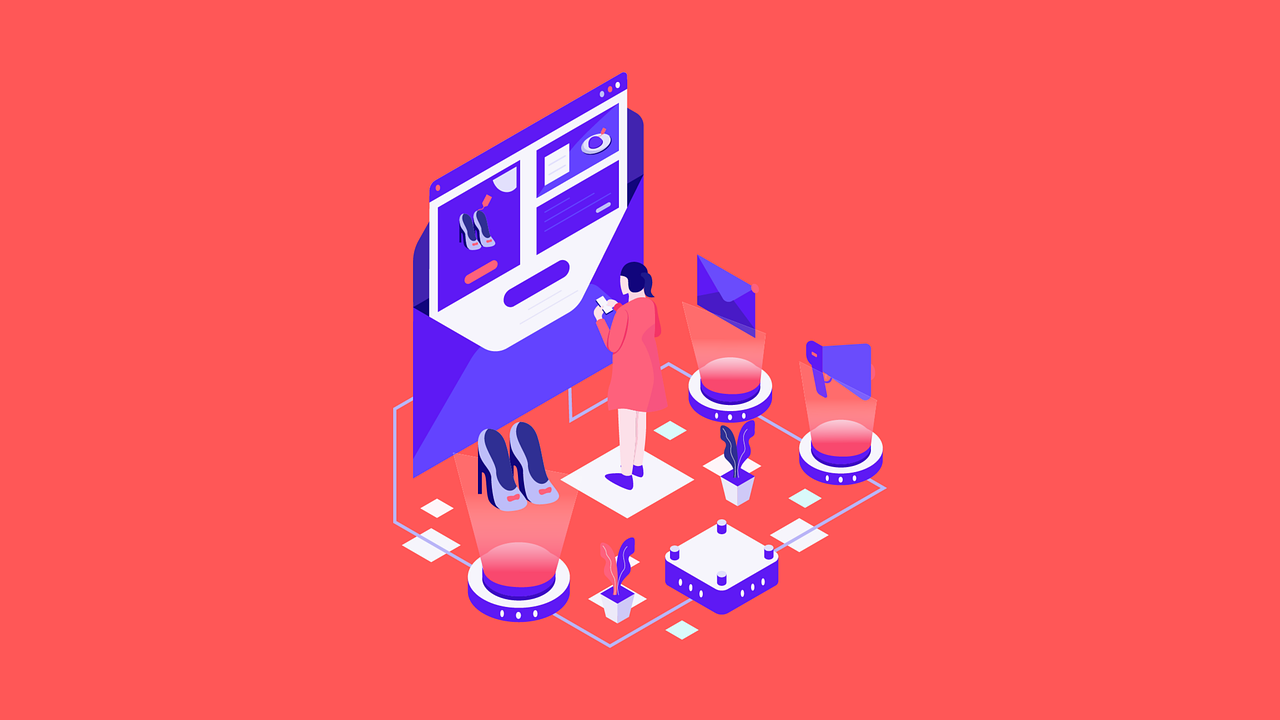
In the age of digital marketing, businesses aim to create robust strategies that blend various channels for enhanced engagement. Email campaigns and social media platforms can amplify marketing efforts when used in tandem. Each channel has unique strengths; email provides personalized communication while social media allows for broader reach and interaction. Leveraging both can generate a powerful synergy, facilitating connections that drive conversions. To achieve optimal results, marketers must understand their target audience’s preferences across these platforms. Integrating social strategies with email newsletters ensures content tailored for distinct demographics effectively resonates. Additionally, businesses can utilize insights gained from social engagements to refine email messaging strategies. Relevant offers, tailored content, and compelling visuals can increase engagement rates significantly. For example, analyzing click-through rates on social ads can inform what kind of content to send via email. Ultimately, when executed cohesively, a dual approach enhances brand visibility, fosters community, and nurtures trust. Combining these successful marketing strategies can lead to boosted sales, greater loyalty, and a satisfying customer experience that aids in building a sustainable audience base.
To initiate a successful combined strategy, businesses should first outline clear objectives. This requires setting measurable goals that align with overarching marketing initiatives. For instance, if the primary aim is to increase product awareness, email campaigns can introduce the product to a targeted group. In tandem, social media posts can showcase user testimonials, run polls, or answer FAQs to stimulate interest. By merging these actions, companies create varied touchpoints that capture consumer interest and generate conversation. Next, marketers must determine the optimal sequencing of these messages. A thoughtful flow from a social media teaser to a detailed email can guide consumers step-by-step toward a purchase decision. Creating a timeline that outlines the released content and promotional campaigns helps maintain coherence and consistency. Regularly updating the audience about new offers or product launches can instill anticipation and excitement. Furthermore, it encourages ongoing engagement, as subscribers are informed about what to expect. Engaging with customers post-purchase through follow-up emails can boost satisfaction, encourage reviews, and ensure they stay connected and informed about their favorite brand’s endeavors.
Utilizing Visuals and Content
Visual elements play a crucial role in both email and social media campaigns. Eye-catching graphics, images, and videos can significantly enhance user engagement and click-through rates. Using appealing visuals helps communicate information better and keeps the message clear. Social media thrives on strong visuals, and integrating similar elements into email campaigns creates a seamless brand experience. Marketers should consider utilizing infographics, animated GIFs, and videos to make content more interactive and engaging. Well-designed visuals can convey messages quickly, making it easier for recipients to digest information. Additionally, leveraging user-generated content (UGC) can provide authenticity, showcasing genuine experiences and promoting trust. Encouraging customers to share their experiences on social media, and featuring these testimonials in emails can amplify loyalty. Incorporating storytelling into these visuals enhances relatability, aligning the brand with customers’ values. Moreover, testing different formats and designs determines which resonate best with the audience. A/B testing visuals in emails against social media posts can yield invaluable insights, guiding improvements for future campaigns. Engaging visuals create a compelling case for a cohesive strategy across email and social media channels.
Timing is essential when synchronizing email and social media campaigns. Analyzing peak engagement times across different platforms can greatly influence effectiveness. Knowing when your audience is most active on social media helps strategize when to send out emails. For example, if a post garners high interactions late in the morning, sending out an email shortly after can capitalize on the momentum. Campaigns could be created to launch simultaneously on both platforms, generating buzz and curiosity around new offerings. Additionally, send reminders via email regarding social media contests or promotions for increased participation. Another tactic is to repurpose engaging social media content into emails, effectively reaching those who may have missed initial promotions on social platforms. Utilizing reminders can stir action from those who acknowledge the limited-time offers mentioned previously. Maintaining an organized calendar that aligns campaigns simplifies strategy execution and allows for timely adjustments. To foster enduring relationships with the audience, consistency in timing and content across these channels is imperative, as this reliability nurtures customer expectations while increasing engagement.
Tracking Metrics and Results
The success of any marketing strategy relies heavily on metrics and analytics. Establishing performance indicators allows businesses to assess the success of combined email and social media campaigns effectively. Key metrics to track include open rates, click-through rates, engagement levels, and conversion rates. With tracking tools available, marketers can analyze how customers interact with content across both platforms. Utilizing analytics ensures data-driven decisions, refining future campaigns with tangible insights. Understanding which email topics lead to social media shares can refine messaging strategies, enhancing content development. Segmentation strategies aid in crafting tailored messages that resonate with specific demographics. By employing targeted emails based on social engagement, marketers can optimize audience appeal, leading to smoother conversion paths. Additionally, monitoring campaign performance through A/B testing various strategies can reveal preferences and behaviors of subscribers. Consistent analysis helps identify challenges and opportunities, allowing marketers to pivot to achieve better results. By establishing a culture of analytics, organizations position themselves to continuously enhance their strategies and capitalize on growth opportunities.
Integrating advanced marketing automation tools can significantly enhance the synchronization of email and social media strategies. Automation permits timely, personalized content delivery without manual intervention, diving deeper into customer segmentation. Customer Relationship Management (CRM) software enables marketers to gather valuable data from both channels, fostering more personalized approaches. Advanced tools can determine user behavior across platforms, delivering tailored content that aligns with individual interests. By incorporating these solutions, marketers can easily trigger automatic responses based on user engagement and interactions. For instance, if a subscriber engages with a social media post, they could receive follow-up emails promoting relevant services. Automation nurtures leads efficiently, facilitating a streamlined conversion process. Furthermore, targeted drip campaigns can automatically deliver a series of messages to engage prospects over time. Refining outreach efforts enables better engagement, maximizing the chances of successful conversions. As a result, by combining automation with analytics, marketers can ensure their campaigns consistently meet the high expectations of today’s digital customers, enhancing overall brand loyalty.
Conclusion: Building a Cohesive Experience
Combining social media and email campaigns fosters a dynamic marketing approach that maximizes audience engagement. By blending these channels, businesses can facilitate engaging experiences that foster brand loyalty. Crafting a seamless flow of information allows brands to maintain consistent messaging that resonates deeply with their audience. It also enables them to create an emotional connection, leading to higher conversion rates. Marketers who embrace operational synergy can unlock the potential of increased visibility and user engagement. Through careful planning, insightful metrics analysis, and automation tools, businesses can establish campaigns that function harmoniously. This results in continuous growth and an improved customer experience, keeping them engaged and informed. Continuous evaluation of strategies will lead to sustained adaptation to the ever-changing market landscape. Emphasizing relationships drives greater customer satisfaction and retention. In essence, integrating these two powerful digital marketing channels will create a comprehensive strategy that cultivates loyalty while driving business objectives. Businesses willing to innovate and adapt their approaches will find themselves successful in the increasingly competitive online marketplace.
When attempting to combine customer outreach methodologies, understanding your audience remains critical. Segmentation deeply influences the engagement success of both email and social media platforms. This means effectively categorizing your audience based on their behaviors and preferences can lead to better-targeted campaigns. Providing value-added content, such as helpful tips or exclusive offers, creates a reason for customers to engage further with brand communications. Moreover, maintaining brand consistency across both platforms builds trust and recognition over time. By ensuring that the messaging aligns, customers won’t be confused – a crucial factor in nurturing relationships. Integrating social proof, such as customer reviews in email campaigns, or encouraging social shares on valued email content, can create pathways for increased cross-channel visibility. Understanding the context of how and where content is received can enhance overall effectiveness. In addition, ensuring responsive design for all digital communications accommodates users accessing content through different devices, promoting better interaction. In summary, by focusing on strategic integration and responsiveness, businesses can achieve maximum impact through joint campaigns tailored for a connected audience curious about their offerings.