
Effective Strategies to Improve Your Business Credit Score
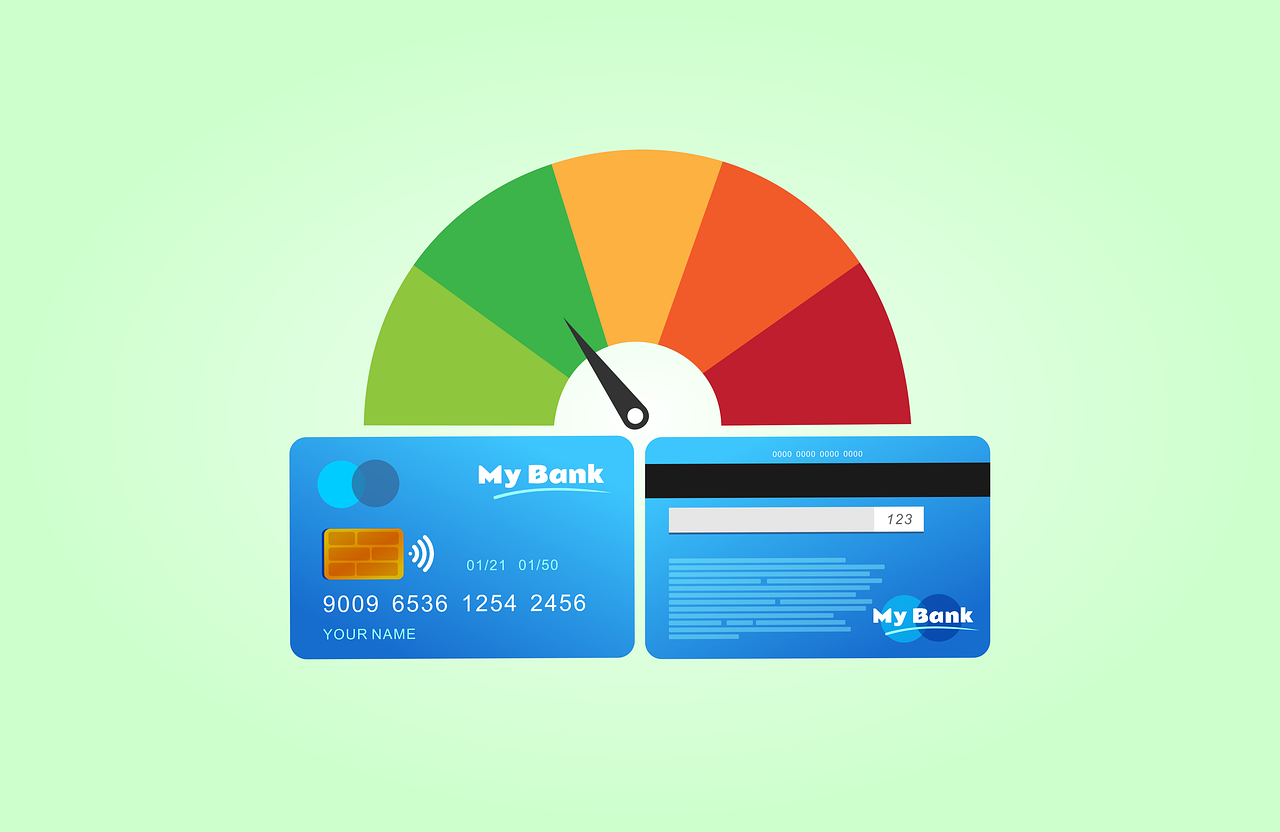
Having a good business credit score is crucial for any small business owner. It opens doors to favorable loan terms and suppliers willing to extend credit. Start by understanding your current credit score; the scores range from 300 to 850. To obtain a free credit report, visit sites like Annual Credit Report. Review the report meticulously for errors or inaccuracies since they can adversely affect your score. Dispute any inaccuracies you find, as rectifying errors can significantly improve your creditworthiness. The next step is to ensure you pay your bills on time. Consistent, timely payments are reported to credit bureaus and can have a positive effect on your score. Automate payments whenever possible to avoid late fees. Additionally, aim to keep your credit utilization ratio below 30%. This means that if you have a total credit limit of $10,000, try not to exceed $3,000 in charges. Monitoring and adjusting your financial habits over time will lead to a steady increase in your business credit score, benefiting your business long term.
Another vital step in improving your business credit score is to establish a solid relationship with suppliers and lenders. Utilize supplier credit accounts wisely by making regular purchases and paying them off promptly. This demonstrates to suppliers and lenders that your business is reliable and financially sound. Conduct regular check-ups on your credit score and proactively monitor changes. Utilize credit monitoring services; several services provide alerts when your score changes or your credit report has updates. Understanding what factors influence credit will empower you as a small business owner. Strategic decision-making comes easier when you’re aware of how your actions affect your score. Consider obtaining a secured business credit card if your business has limited credit history. Using a secured card responsibly can help build your credit profile. These cards typically require a cash deposit, which acts as your credit limit. It’s crucial, however, to select a card that reports to credit bureaus. Establishing credit history takes time, but with mindful actions, your efforts will pay off. Engaging with an experienced financial advisor can provide additional strategies tailored to your specific business situation.
Utilizing Business Loans Responsibly
Using loans responsibly can be a great way to establish and improve your business credit score. When considering a loan, carefully evaluate your current financial situation to determine how much you can afford to borrow and pay back. By selecting loans with favorable terms, you can manage payments more easily, ensuring you never default. Timely loan payments positively affect your credit history. Many financial institutions also report to credit bureaus, which boosts your credit profile as you consistently make payments. Keeping a diverse mix of credit types, such as installment loans and revolving credit, can also benefit your overall credit score. Just be certain that any new credit you acquire is manageable within your budget. Another crucial factor is the importance of maintaining a low debt-to-income ratio. This ratio is assessed by comparing your total monthly debt payments to your gross monthly income. A lower ratio indicates better credit management. Regularly reviewing your financial statements helps you stay on track. By strategically borrowing money and making timely repayments, your credit score can improve over time, allowing future growth with lower interest rates.
Taking proactive steps in removing negative items from your credit report can also enhance your score. If you encounter collections accounts, aim to negotiate a pay-for-delete agreement with the creditor. This strategy involves negotiating with the creditor to remove the negative item from your report after making a payment. It’s crucial to get any agreements in writing to have clear evidence of the agreed terms. Furthermore, you might consider adding your business to online accounts such as Dun & Bradstreet to establish credibility. Building a positive profile on platforms like these communicates your reliability to potential lenders. Along with awareness of your business credit score, consider funding options other than loans, such as grants or crowdfunding. These alternative financing methods do not impact credit scores while providing necessary capital for business growth. Moreover, develop sound financial practices by having a robust budget and sticking to it. Create a separate business bank account to streamline your finances. Finally, consistently reinvest profits back into your business to foster growth without stretching your credit.
The Role of Professional Help
Consider seeking assistance from credit counseling organizations. These groups can provide valuable insights and services aimed at helping you understand your credit score better. Many offer free consultations that can help you identify areas for improvement. They can also assist with creating a customized plan to manage your debts and build a solid credit history. Remember, it’s important to choose a reputable organization with good reviews to avoid scams. Additionally, having access to legal advice for issues related to collections or bankruptcies can be beneficial. Knowledgeable legal professionals can guide you on your rights and any action you can take should disputes arise regarding negative entries. Additionally, learning about financial literacy through online courses or local workshops can empower you. Equip yourself with the knowledge and skills necessary to navigate the financial landscape more effectively. Building a network with other small business owners can also prove beneficial in the long run. Sharing experiences and advice can help you learn from their successes and mistakes. Adopting a proactive approach in managing your credit will place your business on a sustainable growth trajectory.
Staying informed about credit-related trends and changes is equally important. Financial markets and credit regulations are continuously evolving, and being aware can help you make informed decisions. Following financial blogs, webinars, and podcasts can enhance your understanding of current market conditions. Engage with local business associations to access resources and networking opportunities to further improve your credit score. Understanding the specifics of business credit scoring models can provide clarity on the factors that contribute to your score. Each bureau, like Experian or Equifax, may have different evaluation criteria, and knowing these nuances can help you strategically improve your standing. Furthermore, be aware of the impact of personal credit on business credit. Many small businesses are initially backed personally by the owner’s credit, so your score can significantly affect business funding possibilities. Building up your business credit independently is essential as it separates personal and business finances. Over time, as your business credit profile strengthens, you will find increased opportunities to help your business thrive financially.
Conclusion: Commitment to Long-Term Success
Improving your business credit score is a long-term process requiring commitment and strategic planning. By understanding credit factors, making timely payments, and using credit wisely, you set the foundation for sustainable growth. Maintain your focus on developing strong relationships with lenders and suppliers, as these connections will aid in building your business’s credibility. Continuous monitoring of your credit can spot issues early on, preventing potential setbacks. Through responsible borrowing and effective financial management practices, you can elevate your credit score, leading to a higher profile in the financial landscape. Moreover, it’s vital to educate yourself continually about best practices and available resources. Surrounding yourself with knowledgeable advisors and networking with fellow business owners aids your success journey. Lastly, don’t hesitate to explore alternative funding sources that won’t adversely impact your credit score. Ultimately, your business credit score is a reflection of your financial habits and decisions. With diligent effort and foresight, your business can achieve remarkable growth while maintaining a healthy credit score.
This is another paragraph with exactly 190 words…