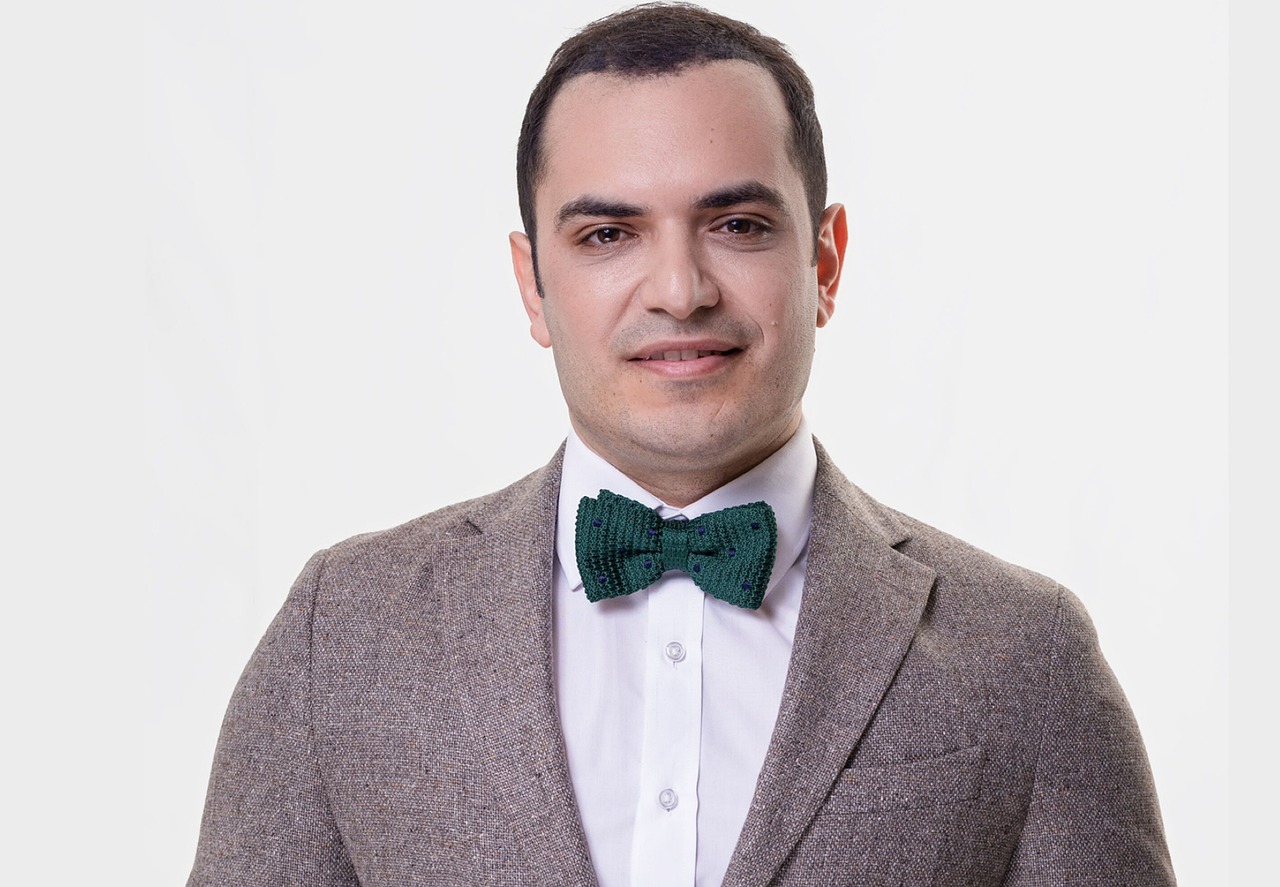

How Top CEOs Manage Their Time for Success
Every successful CEO knows that time management is crucial for achieving success. They must prioritize tasks that align with their overall vision. This includes setting clear objectives and delegating effectively. CEOs often utilize various techniques to manage their time optimally. These can range from traditional planners to modern digital tools like project management software. Additionally, establishing boundaries is key in ensuring that vital tasks receive the attention they deserve. By enforcing these boundaries, they minimize distractions. Many CEOs adopt a routine that fosters efficiency. This could mean setting aside specific times for meetings or even blocking out time for focused work. Many leaders believe that understanding their peak productivity times is essential. Doing so allows them to allocate their highest energy slots for critical tasks. Setting tangible deadlines and utilizing time-blocking strategies can decrease procrastination significantly. Regular reviews of goals and progress enhance accountability and clarity. Ultimately, good time management leads to a productive work environment and fosters team cohesion and morale. As a result, this creates a foundation for sustainable growth and success in the long run.
Effective communication is another critical time management strategy used by top CEOs. They emphasize transparency and clarity in all interactions, which streamlines decision-making processes. When team members are on the same page, they can work more efficiently and effectively. Regular check-ins and updates contribute to this clarity, serving as a reminder of upcoming deadlines and expectations. Furthermore, leveraging technology is vital for maintaining a structured approach to time management. Many CEOs implement collaborative platforms to facilitate communication and task tracking across teams. This not only saves time but also keeps everyone accountable for their individual roles. Additionally, CEOs practice the art of delegation, ensuring that they empower their teams to handle responsibilities. By doing so, they free themselves to focus on strategic initiatives that require their attention and expertise. Prioritizing self-care and downtime is equally important, as it prevents burnout and maintains clear thinking. CEOs often engage in activities outside work to recharge. Such habits significantly enhance their effectiveness as leaders. This combination of effective communication, technology, delegation, and self-care lays the groundwork for a thriving organization.
Setting Priorities
Top CEOs are masters at setting priorities based on urgency and importance. They often employ tools like the Eisenhower Box to differentiate between tasks that need immediate attention and those that can wait. By categorizing tasks in this way, leaders gain clarity and focus. This method helps cut through the noise of day-to-day operations and aligns daily actions with long-term goals. Many successful CEOs begin each day by reviewing their primary objectives and assessing their progress from the previous day. This practice ensures they remain aligned with their vision while adjusting course as necessary. It also provides motivation and a sense of purpose. Additionally, establishing long-term goals is essential for prioritizing day-to-day tasks. With these goals in mind, CEOs can evaluate which tasks advance their objectives most effectively. Moreover, setting SMART (Specific, Measurable, Achievable, Relevant, Time-bound) goals provides tangible benchmarks. These benchmarks aid in maintaining focus on the most important tasks. By cultivating these habits, CEOs enhance their effectiveness in managing time while inspiring their teams to follow suit.
Time audits play an integral role in the time management strategies employed by top CEOs. By periodically analyzing how time is spent, they identify patterns and unproductive habits. This meticulous approach allows them to make informed adjustments to improve productivity. CEOs often keep a detailed log of their activities over a specific period, categorizing them into different areas of responsibility. Analyzing these logs reveals insights into time-wasting activities or excessive time spent on low-priority tasks. This data informs future decisions regarding time allocation. Additionally, adjusting workspaces to minimize distractions can lead to improved focus. Many leaders invest in creating an environment conducive to productivity, ensuring that their workspace remains organized. This attention to both physical and mental organization boosts overall efficiency. CEOs also encourage their teams to engage in similar audits, fostering a culture of continuous improvement. As a result, organizations become more adaptable and responsive to changing market conditions. Overall, the emphasis on time audits and strategic adjustments fosters excellence and accountability in time management across the organization.
Leveraging Technology
Using technology effectively can significantly enhance time management for CEOs and their teams. Many leaders turn to innovative solutions designed to streamline workflows and automate routine tasks. For example, project management tools can help track deadlines and collaborate seamlessly across teams. Implementing these solutions reduces time spent on administrative tasks, allowing leaders to dedicate more energy to strategic decision-making. Additionally, communication platforms enable quick information exchange, minimizing delays and misunderstandings. When teams communicate efficiently, project timelines can be better adhered to without unnecessary back-and-forth. Furthermore, utilizing AI-based tools for data analysis helps CEOs make informed choices faster. These tools provide real-time insights, enabling leaders to respond to market changes swiftly. By embracing the latest technologies, CEOs can improve overall productivity while fostering a culture of innovation. Encouraging team members to adopt similar tools promotes efficiency throughout the organization. Additionally, integrating calendar management software can help optimize scheduling and meetings, reducing time-consuming conflicts. As technology evolves, the commitment to leverage these advancements keeps top CEOs ahead of the curve, positioning their companies for continued success.
Another critical aspect of effective time management is the practice of saying ‘no’ strategically. Top CEOs understand that their time is limited and valuable. Consequently, they must be discerning about the commitments they take on. Learning to decline requests that do not align with their objectives is essential for maintaining focus. This discipline not only protects their schedule but also sets a powerful example for their teams. Additionally, crafting a personal board of advisors helps CEOs gain perspectives before making major decisions. Collaborating with trusted mentors provides insights that can save both time and resources. Leaders who surround themselves with diverse perspectives benefit from a more nuanced understanding of challenges. Moreover, being proactive in identifying potential obstacles enables them to prepare solutions in advance. This foresight is crucial for time management, as it allows leaders to navigate setbacks effectively. By empowering themselves with a network of advisors, top CEOs improve their decision-making processes. They recognize that relationships are critical and invest time into nurturing these connections. This creates a supportive ecosystem that ultimately enhances their overall time management strategies.
Creating a Work-Life Balance
For top CEOs, creating a work-life balance is essential for effective time management. They understand that personal well-being directly impacts professional success. Allocating time for family and personal interests replenishes their energy. This balance also fosters creativity and perspective, which are vital for thriving in competitive industries. Many CEOs emphasize the importance of unplugging from work to recharge mentally. Engaging in hobbies or exercising outside of work helps them maintain overall health and reduces stress. Furthermore, integrating mindfulness practices has become increasingly common among successful leaders. Techniques such as meditation promote clarity and focus, which directly enhance productivity. Acknowledging the need for rest is a lesson that many CEOs embrace. By taking breaks when needed, they avoid burnout and maintain sustained performance over time. Additionally, leaders actively encourage their teams to prioritize work-life balance. By fostering a culture of flexibility, productivity improves throughout the organization. This approach reaffirms the idea that satisfied employees contribute to overall success. Ultimately, a balanced approach to work and personal life fosters a healthier environment that drives success for the business.
In conclusion, time management is non-negotiable for top CEOs aiming for sustained success. Their strategies encompass clear prioritization, effective communication, leveraging technology, and an understanding of the significance of work-life balance. By implementing these practices, CEOs enhance productivity within their organizations and foster a supportive culture. Over time, these habits enable leaders to respond to challenges effectively while maintaining their focus on long-term goals. In a world filled with distractions, mastering time management empowers CEOs to lead with clarity and intention. They understand that time is a precious resource that must be spent wisely for maximum impact. The principles outlined offer useful strategies that can be adapted across different organizational contexts, benefiting leaders striving for excellence. Furthermore, by discussing these strategies with their teams, CEOs encourage a collective commitment to effective time management. This not only elevates individual performance but also contributes to a cohesive organizational strategy. As leaders continue to embrace the power of time management, they can inspire others to cultivate these habits. Ultimately, their work not only drives business success but also sets a standard for future generations of leaders.