
The Relationship Between Credit Utilization and Your Credit Score Range
Your credit utilization ratio is a major component that can affect your overall credit score. This ratio is the amount of credit you are currently using compared to your total available credit. Lenders typically recommend that you keep this ratio below 30%. When you exceed this threshold, it may negatively impact your score. Understanding the specifics of this relationship can provide valuable insights into improving your creditworthiness. For your financial health, knowing how much credit you are using can help you manage your debts proactively. Credit reporting agencies regularly track and evaluate these ratios as part of the monthly updates they receive from lenders. Ensuring that your utilization stays healthy allows you to build a good credit score over time. Balance your credit effectively by managing your expenses and repayments responsibly. A lower utilization percentage generally leads to better credit scoring outcomes. Consequently, lenders view you as less risky when you display good credit behavior.
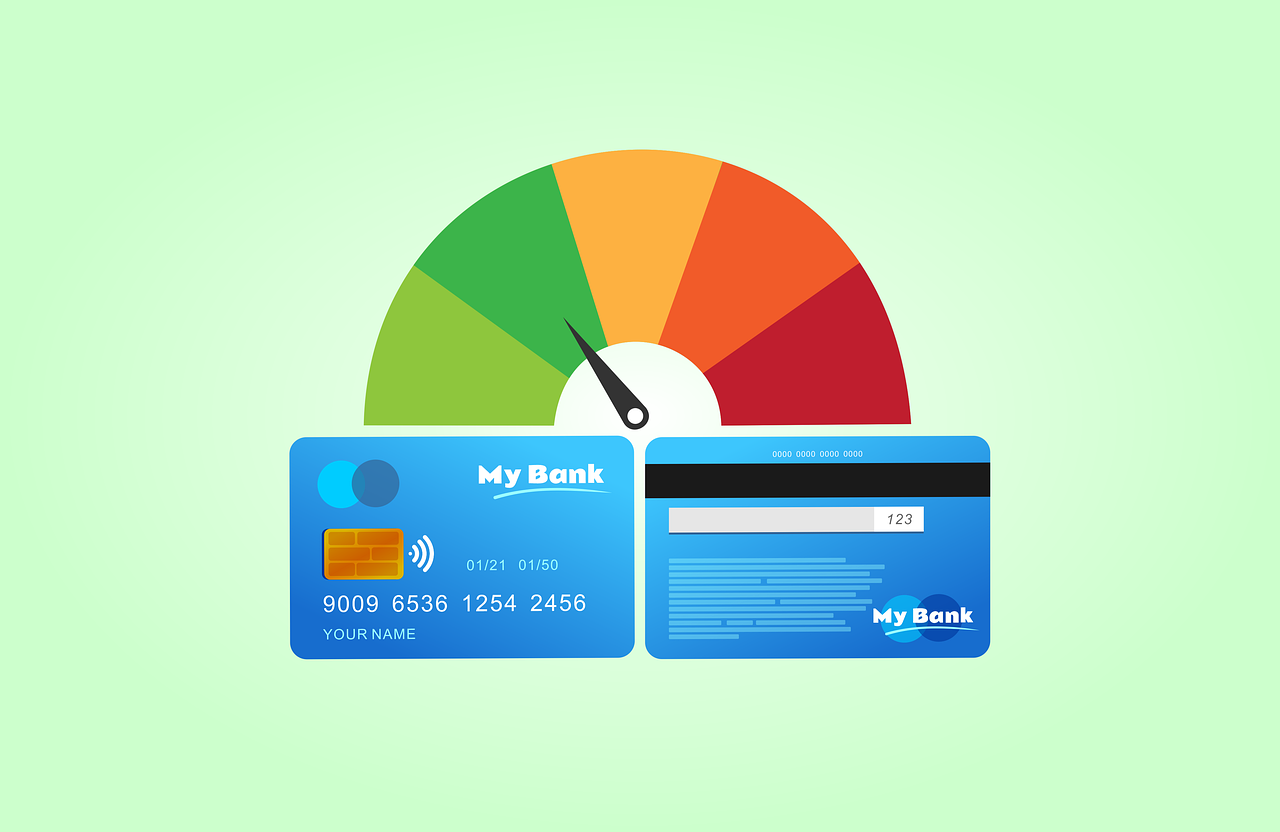
Your credit score ranges can significantly affect your ability to obtain loans and mortgages. Scores generally range from 300 to 850, with different classifications such as poor, fair, good, and excellent. To achieve a score above 700, you need not only to have a low utilization ratio but also a consistent payment history. Credit scoring formulas tend to favor individuals who demonstrate a track record of on-time payments. Consumers often need to aim for excellent credit scores to receive the best interest rates and terms available. This can save large sums of money when they pursue loans. By keeping a close eye on your credit utilization, you can gradually improve your score from one category to another. Additionally, monitoring your credit score regularly will help you understand your standing better. Utilize free tools online that allow you to track changes in your credit score. Taking these steps can ensure that you’re prepared for significant financial decisions in the future. Ultimately, maintaining a healthy credit utilization ratio is a key part of this pursuit.
Actions to Improve Your Credit Utilization
Improving your credit utilization may feel daunting, but it can lead to considerable benefits for your credit score. One of the simplest ways to start this process is by paying down existing debt. Focus on your credit card balances first, as these are often subject to the highest interest rates. By paying down balances, you can lower your utilization ratio, thus positively impacting your score over another month or two. Number two, consider requesting higher credit limits on existing cards. If you manage your debts responsibly, most credit card companies will likely consider your request. This strategy increases your available credit while maintaining your current balance, which also lowers your utilization ratio without additional spending. Thirdly, diversify your credit types if necessary. Having a mix of credit types, such as revolving and installment debt, can enhance your score. Remember, each of these actions requires diligence and patience, but the results will be worth it in the long run if your goal is to achieve a healthier score.
Monitoring your credit utilization and scores can lead to more informed financial decisions. Many people opt to use mobile applications and websites that notify users when their scores are changing. This feature allows you to react promptly to any significant alterations, which can indicate emerging issues. It is beneficial to check your credit score at least once a year to ensure accuracy. Discrepancies in your report can negatively impact your credit score without you even knowing it. If you learn of any errors, immediately dispute them with the credit reporting agency. Keeping an eye on transactions can also help identify unusual activities that may suggest identity theft. Others might consider setting alerts for their credit card use, so they can manage their budgets better. By implementing these monitoring tips, you take an active role in maintaining good credit health. Knowledge of your credit situation is empowering; it equips you better to negotiate loans and credit opportunities. Always stay informed to make the best decisions moving forward.
The Impact of New Credit Inquiries
New credit inquiries can further influence your credit utilization and overall score. Each time you apply for new credit, it results in what’s known as a hard inquiry. These inquiries can temporarily lower your credit score and system. Although one inquiry typically has a minimal effect, multiple inquiries within a short time might suggest financial distress. Lenders see this as a risk factor, potentially deeming you less creditworthy. Therefore, it is advisable to limit the number of applications for new credit to improve your visibility. Only seek new credit when necessity arises, rather than as a routine practice. If you’re at a point where establishing new credit is crucial, like during a home purchase, be sure to minimize all other inquiries around that time. Consider shopping for loans within a short timeframe, as many lenders will treat multiple inquiries in a window as a single one. By being strategic about your applications, you can protect your score as you seek favorable terms on new debt. This diligence can lead to more desirable loan outcomes.
In conclusion, the relationship between credit utilization and your credit score range cannot be overstated. A low utilization ratio is paramount to maintaining or improving your score, thus benefiting your financial health in the long run. Regularly monitor both your utilization and score while implementing practical actions that can directly affect them. Paying down debts, requesting credit limit increases, and consolidating your credit types are effective strategies for managing utilization wisely. Moreover, keeping track of your credit situations helps you spot areas that need attention. Being proactive in addressing any potential inaccuracies will further help ensure a consistent credit standing. All of these nuances play a vital role in your overall credit strategy. Remember, while numbers matter, the most crucial element is ensuring your financial health is in good shape. Plan thoughtfully as you navigate financial decisions that may depend heavily on your credit score. If you cultivate good credit habits, you can reap the rewards of favorable interest rates, loan approvals, and more. Your future financial opportunities depend on these choices today.
Ultimately, a solid grasp of the connection between credit utilization and scoring can set you on the path to success. Armed with the knowledge of how these elements interact will allow you to make smarter financial decisions. Combining actions to optimize your credit utilization ratio can gradually lead to better scoring outcomes. The familiarity of these principles plays into overall credit health management. Don’t ignore the importance of understanding these dynamics in personal finance; being well-informed is essential for navigating the world of credit responsibly. Taking control of your financial situation is possible through strategic habits that yield long-term benefits. Establish a consistent line of communication with your lenders and credit monitoring services. This knowledge will only serve as an advantage as you strive for more significant financial goals in life. Every small step you take can lead to potential enormous rewards in your financial journey. Relying on your expertise and building a strong, reliable credit score will create more opportunities in the future.
Visual aids can also significantly enhance your understanding of credit utilization and scoring. Infographics can help clarify complex relationships between credit utilization ratios and scores. These resources are readily available online and can be quite beneficial for visual learners. Watching videos that explain credit utilization effectively can also make the concept easier to digest. Utilize various formats to explore this topic from different angles. Sometimes, engaging with multimedia can facilitate deeper insights into your overall credit management strategy. One helpful tip is to regularly follow reputable financial blogs and websites that provide ongoing updates about credit and finance in general. This continuous learning habit can empower you to make informed decisions. Therefore, consider integrating visual and auditory resources into your study plan. By diversifying how you consume information, you strengthen your understanding of critical concepts, which assists your path toward achieving excellent credit scores. Empower yourself with knowledge to maintain your credit health actively. Your investment in education today will lead to better financial outcomes tomorrow.