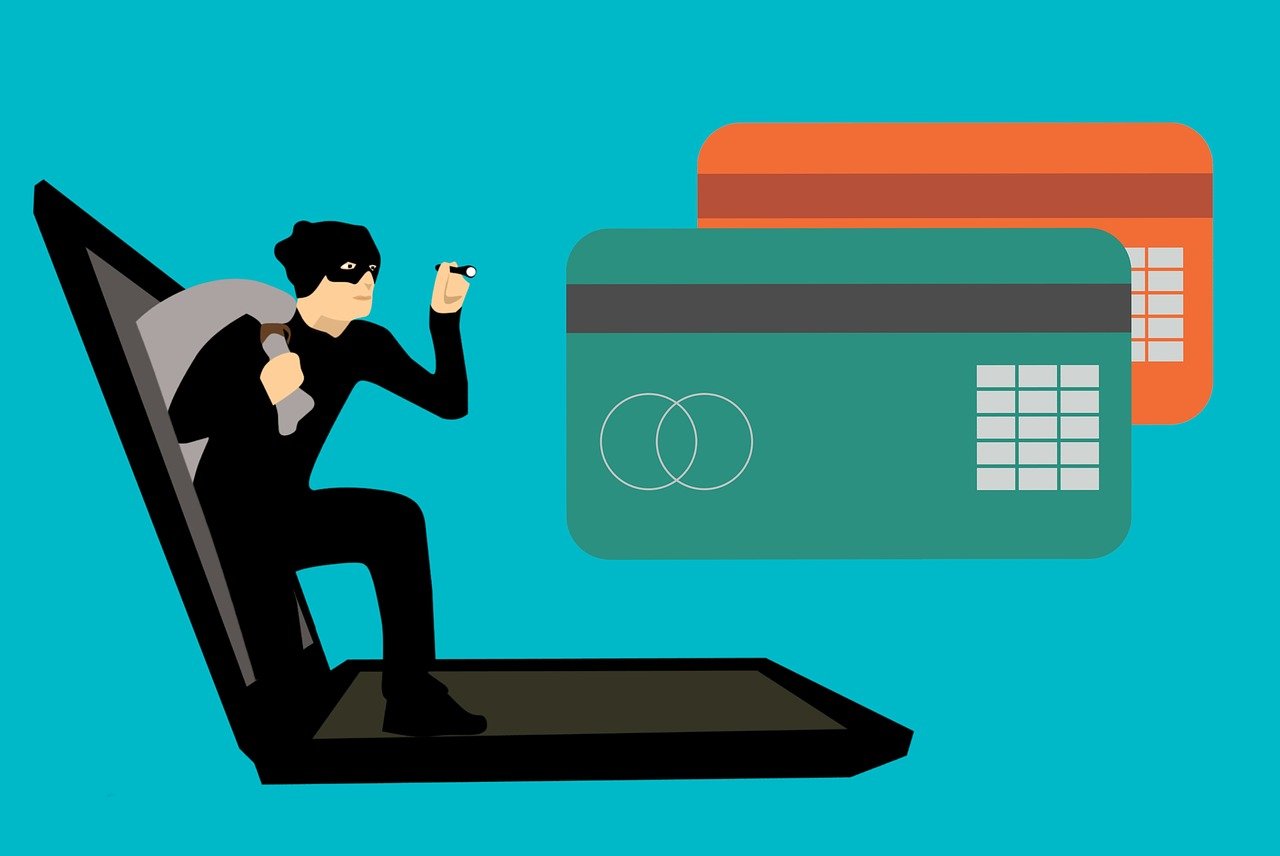

How to Protect Your Credit Score from Fraud
Your credit score is vital for your financial health. Fraud can wreak havoc on it, so preventing unauthorized access is necessary. Start by monitoring your credit report regularly. Obtain free reports annually from AnnualCreditReport.com. Review each item closely. Look for inaccuracies or unfamiliar accounts. If you find discrepancies, report them to the credit bureau immediately. Using a reputable credit monitoring service can also provide alerts for any suspicious activities on your account. Additionally, enable fraud alerts on your credit report; this notifies creditors to verify your identity before granting credit. It’s also wise to consider placing a credit freeze, preventing new accounts from being opened in your name without your consent. Be cautious when sharing personal information; only provide your Social Security number or credit information to trusted sources. Remember to use strong, unique passwords for your online accounts and consider two-factor authentication whenever possible to enhance your security. Keeping your contact information up to date with your creditors can help them reach you quickly in case of fraud alerts.
Using credit responsibly is crucial when building a solid credit history. Establishing a good credit score starts with paying bills on time. Late payments can significantly affect your score, so set reminders or automate payments for bills and credit card dues. Keeping credit utilization low is another important aspect; try to use less than 30% of your available credit limit. This demonstrates to lenders that you are responsible and can manage credit effectively. Diversifying your credit mix by obtaining different types of credit can also improve your score. Consider a mix of credit cards, installment loans, and retail accounts. While it’s important to have different accounts, don’t open too many in a short period, as it may indicate risk to creditors. Avoid closing old accounts, as they contribute to your credit history length, which is another factor in scoring. Regularly review your progress and consider consulting with a financial advisor if you feel overwhelmed. They can guide you on personalized strategies to enhance your credit score over time. By taking these steps, you can protect your credit score and build a healthy credit profile.
Understanding the Impact of Identity Theft
Identity theft is one of the most severe threats to your credit score. Thieves can use your personal information to apply for credit, loans, and other services in your name. This illegal activity can result in overdue accounts that go on your credit report without your knowledge. It’s essential to be proactive in safeguarding personal data. Invest in identity theft protection services if feasible; they can help monitor your accounts for suspicious activity and assist in resolving issues if they arise. Furthermore, stay vigilant with online transactions. Ensure websites are secure before sharing personal information and watch for phishing attempts aiming to steal your credentials. Always question unsolicited emails or calls requesting account details or verification. Be aware of where you dispose of important documents; shredding them can prevent fraudsters from gaining access to sensitive information. If you suspect identity theft, take immediate action. File a report with the Federal Trade Commission, alert your bank, and notify the credit bureaus. Promptly addressing the issue can mitigate damage and help restore your credit. Remember that your vigilance is crucial in this digital age.
Another effective way to protect your credit score from fraud is by keeping your financial documents secure. Store sensitive information, such as bank statements and tax documents, in a safe place, preferably a locked file cabinet. For digital records, use encrypted storage methods and ensure your devices and networks are protected regularly with updated security software. Change passwords frequently for online banking and credit accounts, combining letters, numbers, and symbols for strength. Avoid using easily accessible information, like birthdays or names of loved ones. Keeping multiple factors for authentication can add an extra layer of security to your accounts. Always be wary about using public Wi-Fi for financial transactions; hackers can easily intercept data being transmitted across unsecured networks. Instead, use a Virtual Private Network (VPN) to create a secure connection when accessing important accounts remotely. Educate yourself on the different types of fraud affecting consumers today. Knowledge is power when it comes to enhanced protection. Invest time in learning about possible threats so you can recognize potential scams and schemes targeting your financial profile. Awareness and preparedness can save you from significant losses.
Utilizing Credit Reports Effectively
Your credit report is a crucial tool in understanding your financial health. Accessing your credit report can help identify areas of risk and sections that may need improvement. When you receive your report, examine it thoroughly for any unfamiliar accounts or inaccuracies. If discrepancies exist, document them and report them to the credit bureau. Each bureau has a dispute process that requires you to send documentation supporting your claim. Tracking your credit score alongside your credit report can give insight into how actions impact your score. Many credit card issuers provide free access to credit scores, making it easier to stay informed. Consider signing up for credit score monitoring services that offer alerts about changes to your report. This way, you can react swiftly to any unauthorized activities. Additionally, utilize credit education resources available online. Websites such as the Consumer Financial Protection Bureau provide extensive information on understanding credit reports and scores. Utilizing these resources can empower you to make informed financial decisions that positively affect your credit.
Another vital aspect of credit protection involves maintaining an emergency fund. Having savings to cover unexpected expenses can lessen your reliance on credit during financial emergencies. If a costly event arises, using savings prevents missing payments on credit obligations, which could lead to negative impacts on your credit score. Building an emergency fund requires discipline and commitment; set aside a small amount each month until you’ve built a cushion. This way, you can remain financially secure without resorting to high-interest loans. Additionally, create a budget that outlines your spending and incorporates savings goals as a priority. Review your monthly expenditures and identify areas to cut back. Apps and tools are available to assist in tracking spending and savings, making budgeting more manageable. When you know where your money is going, you can better allocate funds for both essentials and savings. Maintaining a budget can also help pay down existing debt over time, ultimately helping your credit score improve. Balancing savings and debt repayment requires ongoing attention but fosters long-term financial health and credit protection.
Seeking Professional Guidance
Financial advice from experts can be invaluable for boosting and protecting your credit score. Consult a credit counselor who can help you devise an effective plan to manage debt and improve creditworthiness. Many nonprofit organizations offer free or low-cost sessions to discuss your financial situation, making it more accessible. During these sessions, discuss your specific concerns, look at your credit history, and receive personalized strategies. Remember that significant changes in your financial routine might be needed to see substantial improvement. Don’t hesitate to ask questions about how certain actions could affect your credit score. Many people may be unaware of potential impacts on accounts opened or closed. Inquire about consolidating debts if you find juggling payments difficult, as this can simplify your financial management. When approaching this sensitive topic, be cautious of predatory lenders or companies promising instant fixes—be skeptical and do thorough research. Legitimate credit repair takes time and consistent effort, so avoid shortcuts. By being proactive in seeking professional guidance, you can enhance your knowledge of credit management and build a stronger credit foundation over time.
Finally, it’s important to practice patience while building and maintaining your credit score. Changes won’t occur overnight. Negative items might linger on your credit report for years, but ongoing positive actions can help diminish their impact gradually. Celebrate small victories, like paying off a credit card or making timely payments for several months. Each of these actions contributes positively to your credit score over time. Engaging consistently in a responsible financial lifestyle, with effective monitoring and education, is the key to long-term credit protection. Remember that mistakes can happen, and learning from them is an essential part of your financial journey. As you become more aware of your credit standing and the factors that influence it, you will feel empowered to make informed financial decisions. Stay committed to understanding the nuances of credit management, as this knowledge forms the foundation of your financial success. Actively participate in your financial health by reading articles, attending workshops, or speaking to experts in the field. Your credit score reflects your financial responsibility and influences your ability to secure loans and favorable interest rates, making active protection and management of it essential.