
The Future of Customer Analytics: Trends and Technologies to Watch
As businesses increasingly rely on data for decision-making, customer analytics has gained significant importance. By understanding customer behavior through data, companies can tailor their services and improve customer satisfaction. In the upcoming years, several key trends are expected to reshape the landscape of customer analytics. One of the most notable trends is the rise of artificial intelligence (AI) and machine learning, which empower businesses to analyze vast amounts of data efficiently. This enables personalized customer experiences by predicting preferences and behaviors. Additionally, the use of predictive analytics will help companies anticipate future trends rather than solely relying on historical data. As these technologies advance, customer loyalty programs will become more sophisticated, enabling firms to offer customized incentives. Furthermore, integrating customer relationship management (CRM) systems with analytics tools will streamline processes and enhance decision-making. The utilization of data from various sources, including social media and IoT devices, will enrich customer insights. As companies adapt to these changes, cultivating a data-driven culture will be crucial for success in customer analytics.
Another crucial trend in customer analytics is the increasing emphasis on data privacy and ethics. Consumers are becoming more aware of how their data is used, leading to demands for transparency and control. Businesses must prioritize privacy while harnessing the power of data analytics. Therefore, companies should adopt ethical standards in data collection and usage, ensuring compliance with regulations such as the GDPR. This commitment to data ethics will not only protect customers’ rights but also build trust and loyalty over time. To achieve this, organizations need to invest in robust data governance frameworks and educate employees about ethical practices. Engaging with customers regarding their data rights through consent forms will increase transparency. Furthermore, implementing advanced security measures will safeguard sensitive information, mitigating risks associated with data breaches. Companies must also leverage anonymization techniques to ensure customer identities are protected. In essence, businesses that prioritize data privacy alongside analytics will differentiate themselves in competitive markets. By fostering a culture of trust, they can enhance customer relationships, gain valuable insights, and drive sustainable growth.
Omnichannel Customer Insights
The importance of omnichannel strategies in customer analytics cannot be overstated as businesses strive for seamless customer experiences. Customers now interact through numerous channels, including websites, mobile apps, and social media platforms. Therefore, aggregating data from these various touchpoints is essential for obtaining comprehensive customer insights. Utilizing advanced analytics tools can help companies identify trends and behaviors across different channels. This data integration allows businesses to understand their customers better, predict their needs, and optimize marketing strategies accordingly. Moreover, companies can leverage this information to tailor communication strategies based on customer preferences. As a result, this leads to higher engagement and conversion rates. Furthermore, employing customer segmentation techniques based on omnichannel data enables personalized marketing campaigns that resonate with specific groups. These segments can predict customer behaviors more accurately, enhancing retention efforts. However, implementing omnichannel analytics requires investment in technology and training employees to manage and interpret the data effectively. Collaboration across departments will also ensure that customer data is shared and utilized optimally, making omnichannel strategies a cornerstone of future customer analytics.
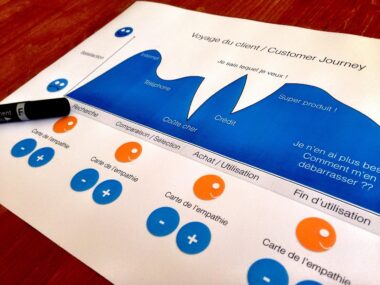
Data visualization is another emerging trend in customer analytics, facilitating better interpretation of complex datasets. As data continues to grow exponentially, visualizing it effectively can help stakeholders glean insights quickly. This approach enables teams to uncover patterns and trends that may not be readily apparent in traditional reports. By incorporating various visualization techniques, such as dashboards and heat maps, organizations can present data intuitively. Furthermore, stakeholders will become more engaged with the insights derived from customer analytics, leading to informed decision-making. Tools such as Tableau and Power BI are gaining traction primarily due to their user-friendly interfaces and capabilities. These tools empower businesses to create custom reports depicting customer journeys accurately. As a result, organizations can swiftly adjust strategies to meet evolving customer expectations. Moreover, interactive visualizations allow users to explore data independently, fostering a culture of self-service analytics. As data visualization capabilities become more accessible, companies will benefit significantly from improved clarity and understanding of customer data. Ultimately, a focus on effective visualization will support data-driven decision-making across organizations while driving customer-centric innovations.
Real-Time Analytics
In the fast-paced business landscape, real-time analytics is becoming a game-changer for customer-centric strategies. The ability to analyze data instantaneously empowers organizations to respond quickly to customer needs and preferences. By leveraging real-time data, businesses can monitor customer interactions, assess trends, and adjust marketing tactics as needed. For instance, e-commerce platforms utilize real-time analytics to recommend products based on user behavior. This immediate responsiveness enhances customer experiences and promotes higher conversion rates. Moreover, integrating real-time analytics with customer feedback loops allows businesses to gain insights and implement improvements swiftly. Organizations can optimize their offerings by responding to feedback effectively, thus creating a competitive advantage. Additionally, employing technologies like event-stream processing will further enhance the ability to act on data as it comes in. As real-time analytics becomes integrated into core business operations, organizations must ensure their staff is equipped with the skills needed to interpret and act upon insights. This commitment to ongoing training will prove vital in an era characterized by hyper-personalization and rapidly changing consumer demands.
Artificial intelligence (AI) is revolutionizing customer analytics by enhancing data interpretation and decision-making processes. AI algorithms can analyze complex datasets much faster than human analysts, identifying trends and insights that can inform marketing strategies. For instance, machine learning models can assess customer preferences and predict buying behaviors more accurately. This leads to the enhanced segmenting of customer bases, resulting in targeted advertising campaigns. Additionally, AI-powered chatbots are increasingly used to engage customers, offering personalized support based on real-time data. These technologies not only improve customer satisfaction but also enhance operational efficiency for businesses. However, organizations must invest in the right tools and technologies to harness AI effectively. Integrating AI systems with existing customer analytics frameworks requires careful planning and execution. Moreover, businesses should remain conscious of bias in AI algorithms, ensuring transparency in customer engagement. For successful implementation, ongoing monitoring of AI systems is essential to ensure that they evolve alongside customer preferences and behaviors. Overall, AI’s integration into customer analytics is paving the way for innovations that cater to evolving market demands, elevating customer experiences, and driving business success.
Conclusion
As we look ahead, the evolution of customer analytics will be shaped by an array of trends and technologies that promise to enhance customer understanding. The emphasis on data privacy and ethical standards will be crucial for organizations aiming to build long-lasting relationships with their customers. Additionally, harnessing omnichannel customer insights and leveraging real-time analytics will empower businesses to stay agile in addressing customer demands. Furthermore, integrating AI across analytics processes will increase efficiency and enable deep data exploration. The trend towards data visualization will not only enhance insights but also foster a more data-driven culture within organizations. Tapping into these emerging trends equips businesses to navigate the complexities of customer interactions effectively. As organizations prioritize data-driven decision-making, they will gain the competitive edge necessary in an ever-evolving marketplace. Organizations must remain vigilant in adapting to these changes and investing in the right technologies and training for their employees. Ultimately, embracing innovative practices will solidify their position in the realm of customer analytics, leading to sustained value and success.
By continually adapting to the needs of their target audiences and leveraging the vast potential of customer analytics, companies can drive growth and success. The future of customer analytics is promising as advancements in technology and evolving consumer behaviors are set to continually reshape the landscape. Staying updated with these trends will ensure companies remain relevant and competitive in their respective industries. Investing in customer analytics technologies and frameworks will enable businesses to revolutionize the way they interact and engage with their consumers. As these trends take shape, the importance of a robust data infrastructure will become increasingly evident. Companies willing to embrace change will stand to gain valuable insights that can inform strategy and enhance customer experiences. Thus, the future of customer analytics undeniably holds exciting possibilities, paving the way for businesses to thrive in the face of constant change. With a keen focus on customer-centric innovations, organizations can harness the full potential of insights derived from data analysis. By doing so, they can foster loyal relationships and champion exceptional service experiences, ultimately driving success in the dynamic business environment.