
How Inflation Influences Currency Value
Understanding inflation is vital for financial literacy as it directly correlates with currency values. Inflation is an economic term indicating the increase in general price levels over time. When inflation rises, purchasing power diminishes, which means individuals can buy fewer goods and services with the same amount of money. Currency value can also decrease during higher inflation periods. Investors tend to lose confidence in a currency as it weakens due to inflation. This often leads to decreased demand for a currency, further driving its value down. Economies often respond to inflationary pressure by adjusting interest rates. Central banks may raise rates to stabilize prices, which can strengthen the currency. Conversely, falling inflation rates might lead to lower interest rates, weakening the currency as returns on investments diminish. Understanding these dynamics helps individuals make informed decisions about saving and investment strategies. Currency values vary significantly across global markets based on inflation expectations. Thus, determining the right time to invest or convert currency often requires an understanding of inflationary trends, making financial literacy indispensable for navigating today’s economic landscape.
Inflation impacts every sector of the economy, but its effect on currency value can lead to wider implications. Consumer and investor sentiments fluctuate based on inflation announcements, which can create market volatility. A high inflation rate can prompt individuals to seek better investment opportunities elsewhere, leading to capital flight. When money moves out of an economy, demand for the currency drops further. This situation exemplifies a vicious cycle where inflation leads to currency depreciation, which then results in further inflationary pressures. Moreover, inflation can disproportionately affect lower-income individuals as they spend a higher percentage of their income on necessities. As prices rise, their purchasing power erodes faster, leading to increased economic inequality. Understanding these aspects of inflation can empower consumers; they can anticipate price movements and adjust their financial strategies accordingly. Inflation also influences wage dynamics and adjustments; employers need to provide raises that match inflation rates to retain talent. Hence, effective financial planning requires a clear understanding of inflationary effects on everyday life, from salaries to savings, fundamentally affecting personal finance decisions.
The Relationship Between Inflation and Currency Value
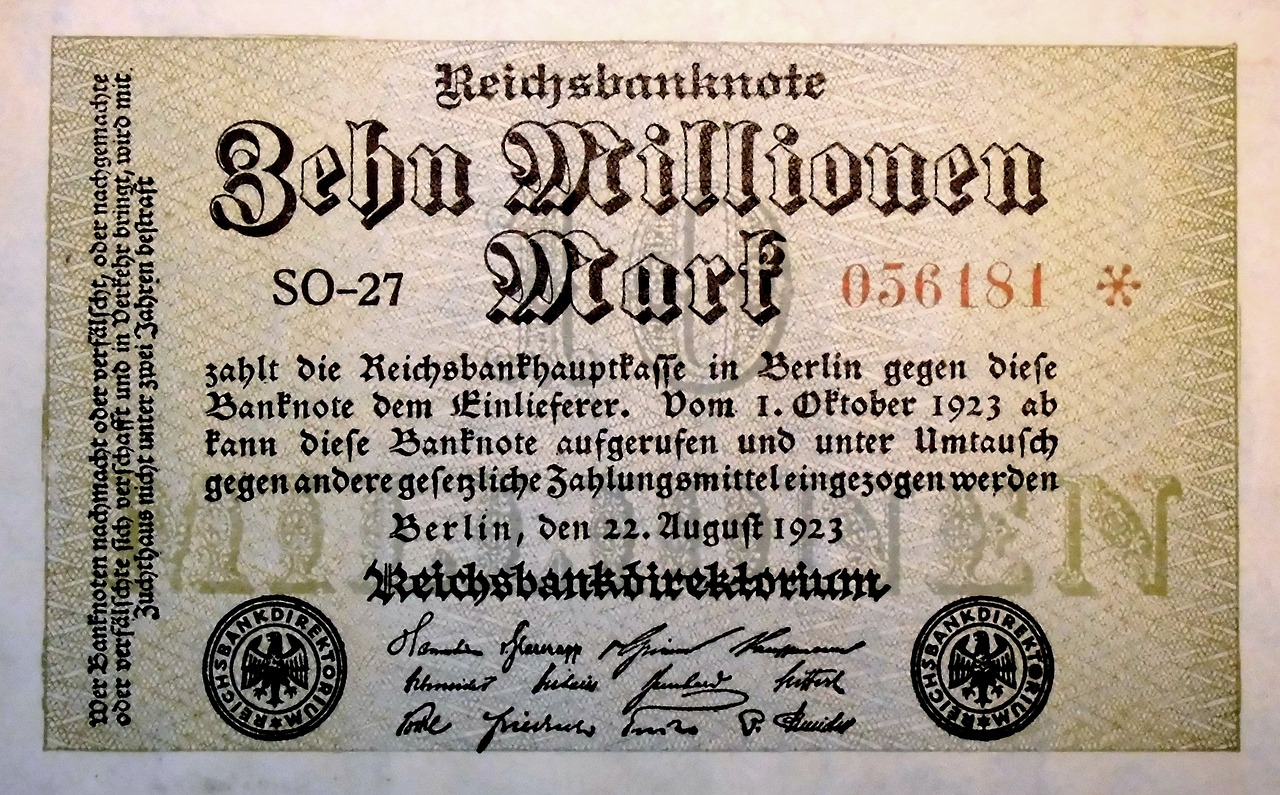
The relationship between inflation and currency is intricate and often misunderstood. Inflation reduces the currency’s purchasing power over time, reflecting a decrease in the currency’s value. It’s crucial to differentiate between nominal values and real purchasing power when analyzing currency performance. While a currency might appear to maintain its nominal value, inflation can dramatically affect what that money can buy. Central banks monitor inflation rates to adjust monetary policies accordingly, influencing interest rates which affect currency strength. A higher interest rate often results in stronger currency as it attracts foreign capital. Conversely, lower rates can lead to depreciation. Additionally, inflation rates can differ across countries, leading to fluctuations in exchange rates. For instance, countries experiencing hyperinflation often see their currencies devalue rapidly. On the contrary, stable economies with controlled inflation tend to enjoy stronger currencies as international investors feel more confident. Evaluating inflation trends is essential for anyone participating in global trade, ensuring they understand the factors driving currency fluctuations.
Inflation expectations play a significant role in how currency value is perceived. When consumers and investors anticipate rising inflation, they often adjust their calculations regarding saving, spending, and investing, fueling further economic changes. Investors may flock towards assets that traditionally hedge against inflation, such as gold or real estate. This behavior can lead to decreased demand for traditional currency, impacting its value. Additionally, inflation often directly correlates with government policies that might influence currency strength. Expansionary fiscal policies that increase the money supply can lead to higher inflation, thereby eroding currency value. Consequently, it’s essential to examine economic policies alongside inflation rates. Economists use various indicators to assess inflation, including Consumer Price Index (CPI) and Producer Price Index (PPI). These figures provide insights, but they may not always fully encompass complex inflationary dynamics. Thus, staying informed about these indicators equips individuals with tools necessary for sound financial decisions. Analyzing these trends can prepare one for the external financial impacts that inflation may impose on personal finances and investments.
Strategies to Mitigate Inflation Effects
As inflation persists and affects currency values, developing strategies for mitigating its effects becomes crucial. Investing in inflation-protected securities can be an excellent approach. These are financial instruments designed to help safeguard against inflation, allowing investors to retain value. Real estate investments often act as another hedge against inflation, as property values and rental incomes generally rise with rising prices. Additionally, diversifying investment portfolios to include commodities can help mitigate risks linked to inflation. Commodities like oil and precious metals tend to maintain or appreciate their value during inflationary periods. Moreover, maintaining cash reserves can be strategic; however, holding too much cash without proper protective measures can lead to diminished purchasing power. Investing in stocks of companies that demonstrate consistent growth or provide dividends can also be beneficial during inflation. Understanding personal finance’s fundamental aspects empowers individuals to make timely investment choices, cushioning against inflationary impacts. Regular financial review helps track performance and adapt strategies, ensuring that inflation does not overpower financial stability.
The global implications of inflation and currency value cannot be overlooked. In our interconnected world, inflation in one country can quickly impact others, especially in trade relationships. Countries heavily reliant on imports can face severe consequences from high domestic inflation. Their purchasing power reduces, making foreign goods more expensive, which can lead to trade deficits. This scenario may force governments to react by devaluing their currency strategically. On an international level, central banks collaborate to manage inflation expectations that can stabilize currency markets. When countries demonstrate strong measures against inflation, their currencies often strengthen in global markets. Conversely, countries with ineffective inflation management often witness currency depreciation and reduced foreign investment. Furthermore, tourists and international travelers must consider inflation rates when budgeting international travel. Currency values change based on inflation trends, necessitating travelers to stay informed. Thus, understanding inflation’s broader effects allows individuals and businesses to make educated decisions related to global investments, helping navigate the complexities of international finance.
The Importance of Financial Literacy
Enhancing financial literacy is crucial in understanding how inflation impacts currency values. A well-informed public can navigate economy fluctuations with confidence, identifying effective measures to protect their wealth. Financial literacy provides individuals with the tools necessary to understand macroeconomic principles, such as inflation, interest rates, and exchange rates. This foundation enables individuals to make better investments and savings choices. Furthermore, educational resources like courses and workshops can significantly improve understanding of personal finance. As the global economy grows increasingly complicated, individuals must equip themselves with knowledge that allows for strategic decision-making. The digital age provides ample opportunities for self-education, making financial resources more accessible. Engaging with financial experts and utilizing online platforms can foster greater awareness of economic trends. Through this enhanced understanding, consumers can better anticipate inflationary changes and adjust their spending habits in response. Financial literacy fosters informed communities, empowering citizens to manage economic risks effectively. Ultimately, being proactive around financial education can significantly shape one’s financial future, ensuring higher resilience to inflation and helping maintain currency value while navigating a volatile economic environment.
In conclusion, mastering the impact of inflation on currency value is essential for sound financial management. Individuals should consistently monitor economic indicators and adjust their strategies accordingly based on inflation expectations. By grasping the interconnections between inflation, currency, and economic stability, individuals position themselves for better investment outcomes. Understanding the broader implications of inflation requires considering local and international factors, balancing risks, and proactively managing financial assets. This knowledge base enables individuals to seek effective investment paths that align with inflation trends. Therefore, fostering financial literacy can lead to improved resilience against economic fluctuations, ensuring better financial health amid inflationary pressures. Ultimately, becoming knowledgeable about macroeconomic concepts, particularly those surrounding inflation, cultivates an empowered approach to personal finance. In an evolving financial landscape, being equipped with substantial financial knowledge remains an indispensable asset for pursuing economic stability and growth. Embracing this knowledge can help mitigate risks, protect investments, and promote informed decision-making. Through continuous learning and adaptation, individuals can navigate the challenges inflation presents, effectively enhancing their financial literacy and overall well-being.