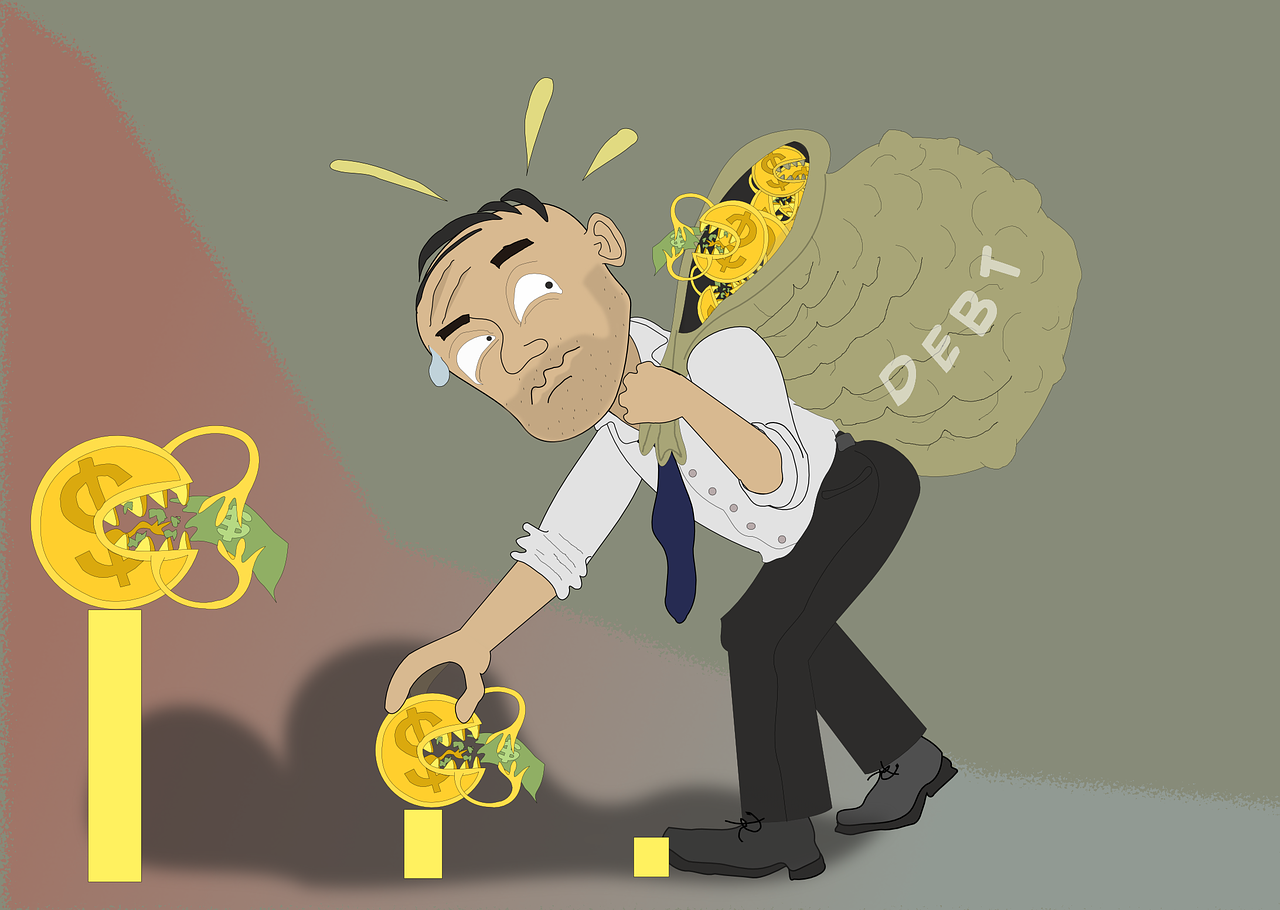

How to Adjust Retirement Plans When Debt is a Factor
When planning for retirement, managing debt is paramount for financial stability. Unfortunately, many individuals enter retirement with debt that can burden their ability to enjoy their golden years. Therefore, acknowledging and understanding this debt is the first step toward effectively managing your financial strategies. Begin by listing all debts, including mortgages, credit cards, and personal loans. Prioritizing these obligations helps in visualizing what must take precedence. Consider the interest rates associated with each kind of debt—high-interest debts, such as credit cards, should be paid off first as they accumulate the most interest. Developing a debt repayment plan is critical for reducing overall financial stress. Often, consolidating loans can lead to lower interest rates, thus simplifying payment structures. Moreover, reevaluating monthly budgets is necessary to free up additional funds for debt repayment. Inquiring about refinancing options or negotiating terms can also help manage debts more efficiently. Ultimately, having a clear picture of all debts can empower individuals to make informed decisions regarding retirement investing and savings.
Adjusting retirement plans when faced with debt requires careful consideration and vigilance. It is essential to assess your current savings and investment accounts. Start with outlining your necessary retirement expenses versus your projected income. If you find a shortfall due to ongoing debt payments, it may be necessary to alter your retirement age, aiming for a later date that allows for more savings growth. Alternatively, work to maximize contributions to retirement accounts actively. Explore options such as increasing contributions to an employer-sponsored 401(k) or contributing to an Individual Retirement Account (IRA). However, while focusing heavily on retirement savings, do not neglect the impact of immediate debt obligations, as they can outweigh potential retirement gains. Typically, focusing on high-interest debts can dramatically improve cash flow, allowing for reallocated savings toward retirement goals. Regularly reviewing financial strategies keeps the retirement plan flexible and aligned with current realities. Engage with financial planners or debt counselors who can provide tailored advice based on personal circumstances. Financial clarity can significantly impact long-term security, ensuring that individuals can meet their retirement goals while managing existing debts responsibly.
Another critical element involves understanding retirement fund withdrawals and their implications on debt management. Occasionally, accessing retirement funds early may seem like a solution to pay off debts. However, this can lead to tax penalties and reduced future savings, potentially compounding financial difficulties later in life. It is vital to analyze if the immediate relief from debt might outweigh long-term financial detriment. Additionally, during retirement, the income generated may be fixed, thus making essential budgeting even more crucial. Individuals may consider adopting a frugal lifestyle to counteract this and help manage existing debts. Look for areas to cut down on expenses without sacrificing essential quality of life. Focusing on low-cost leisure activities rather than expensive alternatives can free up extra funds. In some cases, exploring part-time employment or consulting work can provide additional income streams while maintaining retirement benefits. Ultimately, the balance between enjoying retirement and handling existing debts is achievable with deliberate planning. Engaging in constant financial education also enhances awareness and control over personal financial situations. Seek out resources, books, or online courses that demystify finance for better strategic decision-making.
Effective Debt Management Strategies for Retirement
The effectiveness of retirement planning when debt enters the equation lies in strategic management. Utilizing the snowball or avalanche method can foster an organized approach to debt repayment. The snowball method focuses on paying off the smallest debts first, gaining psychological momentum, while the avalanche method emphasizes higher interest debts for financial efficiency. Choosing a method aligns with personal preferences and may significantly impact a borrower’s willingness to remain disciplined. Additionally, securing professional advice streamlines this process; financial advisors can structure personalized repayment plans that facilitate quicker debt reductions while preparing for retirement. Another avenue involves assessing and utilizing available resources efficiently; various local or national programs exist that assist individuals in managing debt, offering counseling and resources aimed at better financial health. Keeping abreast of changing interest rates is also wise, as refinancing opportunities may emerge that could save money on current obligations. Likewise, continuously educating oneself on credit scores is fundamental since they impact loan terms. Being proactive about debt management allows individuals to have more disposable income to invest in their future.
Moreover, retirement investments should balance growth potential with accessible liquidity to mitigate debt concerns. Evaluate the asset allocation within retirement accounts, aiming for a diversified portfolio that can withstand market fluctuations while providing opportunities for income generation. While aggressive investments may yield higher returns, they also come with elevated risks. A safer investment strategy can protect retiring individuals from market downturns while also fulfilling cash flow requirements to deal with debt obligations. With careful attention to investment strategies, retirees can pursue passive income opportunities. This includes selecting dividend-focused stocks or bonds that can generate regular income to assist with debt management. Furthermore, considering the potential impact of inflation on retirement savings is crucial. Inflation erodes the purchasing power of fixed income streams, so investment strategies must also account for maintaining value over the long term. Be prepared to reassess financial goals frequently and adjust investment strategies as life circumstances change. Awareness that debt can influence investment decisions will help frame a more secure retirement plan while managing life’s obligations.
Communicating Debt in Retirement Planning
Communication with family members about debt management can also play a pivotal role in successful retirement planning. Disclosing financial situations openly cultivates a supportive environment that can provide emotional and sometimes financial assistance while managing debts. Family members may need to be integrated into the retirement plan-making process, especially if they could inherit debt responsibilities. Discussing individual responsibilities and expectations up front helps in setting realistic goals. Organizations or support groups focused on financial stability can offer additional perspectives and resources in debt management. Social support nurtures accountability, keeping individuals focused on financial goals. Furthermore, staying informed about changing regulations or programs related to retirement financing is imperative. Many agents offer workshops and classes aimed at providing insight into managing debt, especially for those approaching retirement age. Continuing education surrounding finances ensures that individuals remain agile and responsive to their evolving financial landscapes. As families navigate through debts together, this collaboration not only enhances overall stability but also creates a more secure environment for future generations to thrive. Mutual investment in financial health benefits everyone involved.
In conclusion, effectively managing your retirement plan when debt is a factor requires strategic planning and continuous evaluation of financial goals. Consider the entire picture—debt levels, savings, investment strategies, and opportunities for income generation. Regularly revisit financial assessments to track progress against debt obligations and retirement readiness. Conducting this comprehensive analysis can help in adjusting the timeline or strategies related to retirement. Seek out resources or financial professionals who can provide clarity in complex situations where debt feels overwhelming. Awareness and education help individuals gain confidence in their financial choices. As circumstances evolve, adapting financial strategies ensures that retirement remains achievable, even in the face of financial burdens. Focus on incremental changes within your budgeting and savings processes that can significantly impact long-term outcomes. Most importantly, remember that managing debt does not define one’s retirement but rather shapes how individuals reach their goals. Having a well-structured plan while maintaining open communication about financial health can enhance your path to a debt-free retirement. You will find that a proactive, informed approach fosters both peace of mind and financial security, turning dreams of a fulfilling retirement into reality.
Ultimately, while managing debt appears challenging, it can also serve as a catalyst for financial education and growth. Montoring expenses and being mindful of spending habits can promote healthier financial decisions, which are essential when embarking on a retirement journey. Utilizing tools like budgeting apps helps track spending and establish better habits, potentially reducing debt levels. As you progress, reflect on the lessons learned through the process; these insights on commitment and discipline are valuable and applicable in all aspects of financial management. Recognizing that debt can be managed successfully alters the way individuals perceive personal finance. Seek continual support and guidance from mentors or financial advisors who can offer insights and strategies applicable to unique situations. Regular engagement with financial literature keeps one informed of best practices and emerging trends. As a result, consistently developing awareness of personal financial health benefits the larger family unit and future generations. Transitioning into retirement with sounds debt management lays the foundation for secure, worry-free living later in life. Cultivate a mindset that encourages financial responsibility; do not view retirement as an endpoint but rather the beginning of a richly supported future.