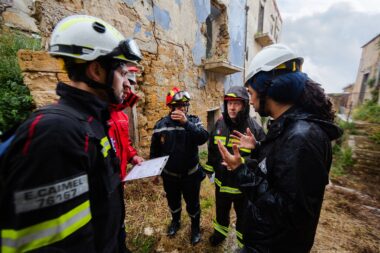

How to Apply for Emergency Relief Funding During Natural Disasters
In times of natural disaster, communities can face immense challenges, and applying for emergency relief funding becomes crucial. Understanding the process may be overwhelming, but with preparedness, the journey can be much smoother. The first step should involve researching available grants, as numerous organizations provide funding resources specifically tailored to disaster relief. Various local, state, and federal agencies offer programs designed to alleviate financial burdens during crises. Familiarizing yourself with these opportunities will empower your community to regroup and recover after devastating events. The Federal Emergency Management Agency (FEMA), for example, grants funds for individuals and households affected by disasters. It’s critical to check their website frequently and get to know the eligibility criteria to determine if you qualify for assistance. Additionally, nonprofits and charities often assist with funding, so it’s worthwhile to network with local organizations that specialize in disaster relief efforts. Networking can sometimes yield valuable insights regarding available aid and the most up-to-date requirements needed for a successful application. Underestimating the importance of early research can lead to missed opportunities that might significantly affect recovery.
The next step involves gathering all necessary documents required for the application process.
Standard documentation typically includes proof of identity, residence, and specifics detailing the extent of damage incurred during the disaster. For instance, if you are applying for funds from FEMA, be sure to provide evidence such as photographs of damages, utility bills, and any other documentation that showcases the need for assistance. It’s essential to present clear and organized documents to improve your chances of approval. Failure to provide sufficient documentation may result in delays or denial of essential funding. Always retain copies of every document submitted to create a record of your application process. Moreover, if you are working with community organizations, they may have additional requirements tailored to their specific funding programs. Completing applications carefully, ensuring all blanks are filled, will prevent misunderstandings. In addition, keep track of deadlines for submission, as late applications will not be considered. Following up can be equally vital. Contacting agency representatives also shows your seriousness regarding the application, thereby improving communication and transparency.
Outreach and Assistance Programs
Engaging with outreach programs can significantly enhance application chances during emergencies.
Many organizations hold workshops and information sessions that provide assistance to those looking to apply for emergency relief funding. These sessions are often offered free of charge and can furnish vital information on how to prepare successful applications. Additionally, local community centers, libraries, and disaster relief organizations may host these sessions. In-person interaction allows for direct inquiries, enabling applicants to address specific concerns regarding the application process. Networking with peers who have successfully secured funding might also provide valuable insights on ideas that worked effectively for them. Advice from someone with firsthand experience can prove beneficial, especially in understanding common pitfalls and ensuring that key details are not overlooked in your application. Attending these outreach events may also provide opportunities to speak with representatives from various funding organizations and learn about the variety of assistance programs available. Furthermore, tapping into resources such as non-profit organizations and volunteer groups could offer additional support during the recovery phase, helping applicants maintain focus on their well-being and rebuilding process.
Once you have completed the application, it is essentially a waiting game.
While waiting for a response, use this time to assess and plan your recovery strategy. Ensuring that you have adequate support both physically and mentally is crucial in overcoming the challenges that naturally come with disasters. Consider forming support groups in cooperation with local community organizations. Emotional resilience is essential for tackling the stress and uncertainty that follows a natural disaster. Additionally, prepare for a possible appeal. Sometimes, applications are denied due to minor errors or missing information; understanding the appeal process can provide a backup plan. Be proactive in seeking feedback on any rejections received, enabling you to optimize your next application. Investing time into learning from setbacks can pave the way towards future success. Likewise, make sure to continue monitoring updates on funding availability and be aware of changing eligibility requirements or new funding opportunities that may arise after disasters. Being adaptable enhances your ability to recover effectively, assisting both yourself and your community during challenging recovery periods.
Utilizing Online Resources
In addition to direct networking, you can capitalize on online resources.
Many grant sites and platforms provide valuable information regarding funding opportunities for emergency relief. Websites such as Grants.gov allow applicants to search for relevant grants by category, ensuring they find the best fits for their specific circumstances. Additionally, state and local government websites often have grant portals that may house opportunities specifically aimed at certain regions affected by disasters. Following social media accounts of active organizations in disaster relief can also keep you informed about immediate funding sources. Subscribing to newsletters from local nonprofits can give insight into live updates or new grant applications as they arise. Online forums present further resources by allowing connections with others who have undergone similar struggles, sharing their success stories, and challenges encountered in securing funding. Active participation in these communities can improve understanding and enhance the learning curve associated with grant applications. Note that deadlines and eligibility can change frequently, so regularly checking these sites ensures you remain current on the latest developments related to disaster relief funding.
Lastly, be prepared to articulate your needs clearly and efficiently.
When applied for emergency funding, clearly outlining your specific requirements is necessary for agencies to evaluate your situation appropriately. When crafting your application narrative, ensure it is both compelling and factual. Include personal stories and testimonials expressing how the disaster impacted your life, community, or business. Specificity is essential; general descriptions may not effectively convey urgency. Highlight essential aspects, such as lost jobs, property damages, and medical expenses incurred due to the event. This helps agencies understand the magnitude of your needs, leading to a more favorable outcome. Articulating needs effectively fosters empathy and supports your case for receiving funds urgently. Furthermore, be sure to ask for assistance when drafting your application. Having a peer review can catch mistakes you might overlook and offer suggestions to enhance your narrative. Keeping emotions positive while communicating with agency representatives can facilitate resolution and understanding when discussing your request. Ultimately, confidence and clarity during the communication process can dramatically increase your chances of obtaining the funds you desperately need during hard times.
Conclusion
In summary, applying for emergency relief funding during natural disasters requires a multi-faceted approach focused on community engagement.
Researching available grants, preparing sound documentation, utilizing online resources, and articulating individual needs represent steps that improve the likelihood of successful applications. Engaging with local outreach programs can guide applicants in navigating through the complicated application process. Consider the input from those with prior experience in securing emergency funds and remain patient while waiting for responses. Moreover, do not hesitate to initiate follow-ups to ensure transparency, as building relationships with representatives can ease the overall frustrations commonly associated with applying for relief funds. Thorough preparation creates an atmosphere for resilience, supporting both individuals and communities recovering from disasters. By adopting a proactive stance, applicants can optimize resources and improve emotional well-being during times of upheaval. Remember that securing funds is only one component of recovery; fostering community spirit, encouraging mental health, and framing positive narratives will also contribute significantly to restoration efforts. Committing to these principles and strategies will ultimately lead the way towards a more robust recovery in the aftermath of catastrophes.