
The Basics of Securities Regulation
Securities regulation plays a crucial role in ensuring the integrity of financial markets. It encompasses laws, rules, and guidelines that govern how securities—such as stocks and bonds—are issued and traded. Aimed at protecting investors from fraud and ensuring transparency, these regulations promote fair practices within the financial industry. Understanding these regulations is essential not only for financial professionals but also for investors who wish to navigate the complexities of the market. The regulatory framework includes securities laws enacted at both federal and state levels. In the United States, the primary authority overseeing these regulations is the Securities and Exchange Commission (SEC). The SEC enforces securities laws to ensure that investors receive accurate and complete information about investment opportunities. Additionally, companies must register their securities and disclose relevant financial information to maintain trust with investors. Knowledge about essential documents like prospectuses, which outline a security’s details, is vital for potential investors. Regulators continuously update rules to adapt to evolving market practices and technologies, thus providing a safer investment environment. Continuous compliance with these regulations ultimately helps foster economic growth and investor confidence in the financial markets.
One significant regulation impacting securities is the Securities Act of 1933, often referred to as the ‘truth in securities’ law. This legislation mandates that securities offered to the public must be registered with the SEC, ensuring that full and fair disclosures are made available to investors. The goal of the Act is to prevent deceit and misrepresentation in the sale of securities. To comply with this Act, issuers are required to file registration statements that provide detailed information about the security, the company, and financial performance. Important documents include the prospectus, which must be distributed to investors, outlining the risks and potential rewards associated with the investment. Another important regulation is the Securities Exchange Act of 1934, which regulates trading activities and the actions of securities exchanges. This Act established the SEC, and it focuses on preventing insider trading and fraudulent practices. Additionally, it requires public companies to file periodic reports detailing their financial health. As such, both Acts work together to create a framework that promotes investor confidence while preventing market manipulation, thus supporting the integrity of financial markets as a whole.
Understanding Insider Trading
Insider trading presents a complex challenge within securities regulation. It refers to the buying or selling of securities based on material, nonpublic information regarding a company. This practice is illegal as it undermines the fairness of the stock market, disadvantaging ordinary investors. Financial regulators utilize a variety of tools and techniques to identify and combat insider trading. Enforcing transparency in company operations, regulators investigate suspicious trading activities and analyze trading patterns for irregularities that suggest insider knowledge. Furthermore, penalties for insider trading can be severe, including hefty fines and prison sentences for those found guilty. The SEC actively pursues enforcement actions against individuals and companies who breach these regulations. Companies are also required to implement internal policies prohibiting insider trading, emphasizing a culture of compliance among employees. Moreover, many organizations train their personnel on the legal boundaries related to trading practices. Enhancing corporate governance practices can further help in avoiding conflicts of interest and maintaining market integrity. By understanding these dynamics, investors can make informed decisions, while companies foster ethical behavior that promotes trust and confidence among stakeholders.
The Investment Company Act of 1940 plays an instrumental role in regulating investment funds and mutual funds. This Act aims to protect investors by requiring investment companies to provide full disclosure and adhere to specific operational standards. Investment companies must register with the SEC and provide detailed information about their investment strategies and methodologies. Regular reporting is mandated, ensuring that investors are kept informed about fund performance and risks. Additionally, this regulation limits the amount of leverage that investment companies can take on, reducing the potential for excessive risk that could negatively impact investors. The Investment Advisors Act of 1940 complements this by imposing registration requirements for investment advisors, ensuring they act in the best interests of their clients. Adhering to fiduciary duties, advisors must provide full disclosures regarding fees and potential conflicts of interest. Both Acts serve as protective measures, promoting transparency and accountability in the management of investment funds. Investors should take the time to evaluate the fees and services offered by these entities to ensure they are aligned with their financial goals. Making informed choices will ultimately contribute to a more secure investment experience.
The Role of the SEC
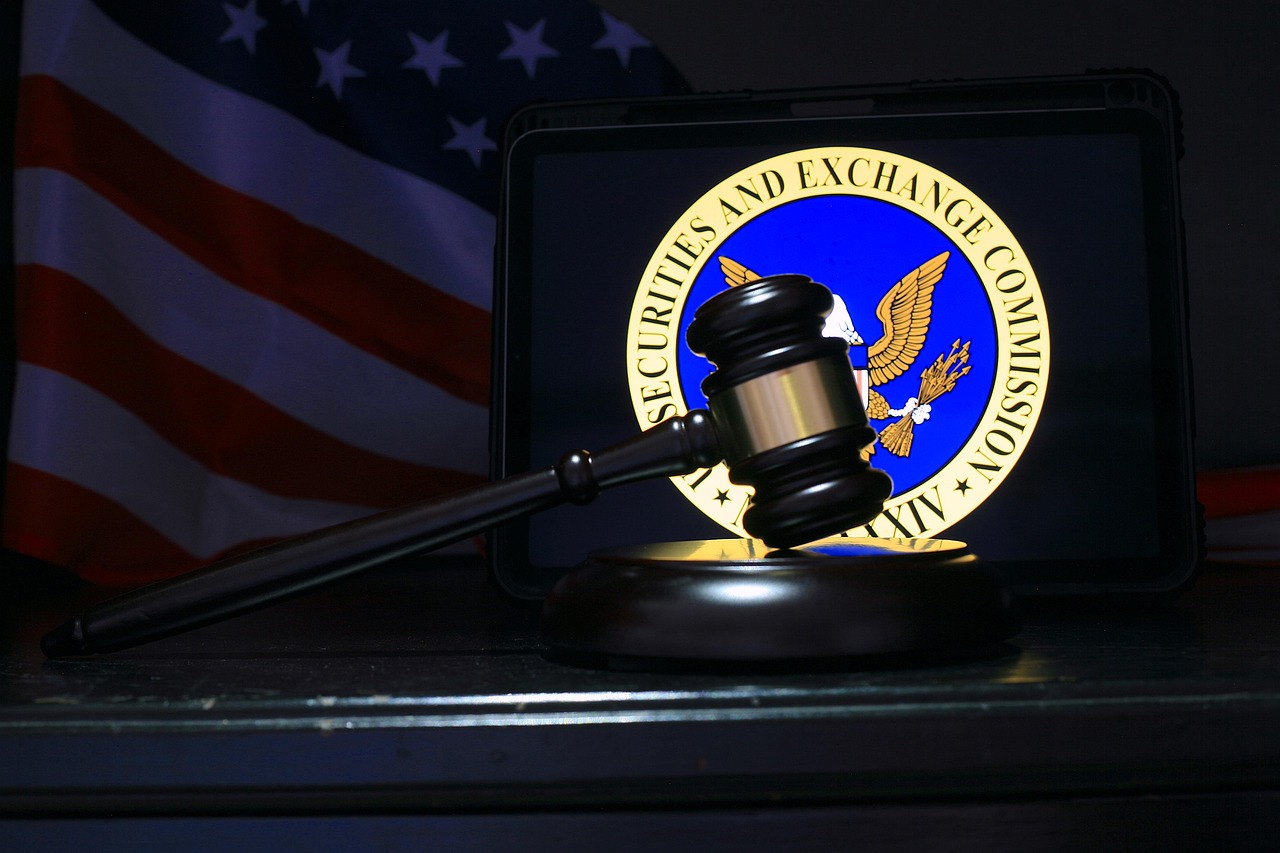
The Securities and Exchange Commission (SEC) serves as a pivotal regulatory authority overseeing the securities industry in the United States. Established in response to the 1929 stock market crash, it aims to protect investors against deceptive practices and maintain fair, orderly functioning of the securities markets. The SEC enforces the securities laws designed to promote transparency and ensure that companies disclose accurate financial information to the public. In addition to monitoring financial disclosures, the SEC also has the authority to investigate potential violations of securities laws and impose penalties on wrongdoers. It also oversees public companies and registered securities exchanges, ensuring compliance with regulations. A significant aspect of the SEC’s function is facilitating capital formation, enabling small businesses to access the necessary funding through the public markets. The SEC has launched initiatives to streamline the registration process, making it easier for businesses to raise capital while safeguarding investor interests. Furthermore, the SEC actively engages in educating investors about their rights and responsibilities, fostering a culture of informed decision-making. This dual role of regulation and education ultimately contributes to a healthier financial ecosystem.
Securities regulation includes various self-regulatory organizations (SROs) that complement government oversight. Prominent examples include the Financial Industry Regulatory Authority (FINRA) and the National Futures Association (NFA). These bodies establish their own rules and standards for member firms, promoting ethical practices within the industry. The primary goal of SROs is to create a regulatory framework that upholds market integrity and protects investors. FINRA, for instance, focuses on broker-dealers and is responsible for setting high industry standards. It conducts surveillance of trading activities to detect potential violations and enforces compliance through disciplinary actions. Additionally, these organizations provide educational resources for both investors and professionals, promoting awareness regarding market risks and best practices. The existence of SROs alleviates some regulatory burdens faced by government entities while enhancing the overall regulatory framework. Through their collaborative efforts, SROs and government agencies work to ensure that the securities market remains efficient, transparent, and investor-friendly. This coordination strengthens investor confidence, encouraging participation in securities markets, which can ultimately stimulate economic growth and prosperity.
Conclusion
In conclusion, understanding securities regulation is vital for anyone participating in financial markets. From investor protections to the establishment of trust in the market, these regulations lay the groundwork for fair and transparent trading practices. The various laws and guidelines help safeguard investors against unethical behaviors and fraudulent activities. Furthermore, clarity regarding insider trading, mutual funds, and organizational oversight illustrates the complex and multifaceted nature of financial regulations. Regulatory bodies, including the SEC and self-regulatory organizations, work tirelessly to preserve the integrity of the markets while promoting informed decision-making by all stakeholders. Investors should prioritize education about the regulatory environment, enabling them to navigate market complexities with confidence. By remaining vigilant and aware of changes in regulatory practices, traders and investors can enjoy a more secure and efficient trading experience. Future developments in regulation will likely continue evolving as markets change and technology advances. Therefore, staying informed is key to ensuring long-term success in financial pursuits. Thus, active participation in understanding securities regulation contributes significantly to personal and collective financial well-being.
Future Perspectives
The ongoing evolution of technology and globalization presents new challenges for securities regulation. With the rise of cryptocurrency and decentralized finance, regulation must adapt to address these emerging forms of investment. Regulators are exploring frameworks that balance innovation with investor protection, ensuring that traditional securities regulation applies to these new environments. As technological advancements occur, regulators are working to understand these changes and develop guidelines to prevent financial misconduct without stifling growth and creativity. Moreover, global collaboration among regulatory bodies is becoming increasingly essential to address the multinational nature of modern investment strategies. This partnership fosters consistency in regulatory practices and minimizes gaps that could potentially lead to market manipulation or fraud. By advocating for international cooperation, regulators will promote a more stable global financial environment while safeguarding the interests of investors worldwide. Financial literacy initiatives will also play a crucial role in adapting to these changes, empowering investors with the knowledge to make informed decisions in an evolving landscape. Building awareness about risks and innovation will be pivotal in ensuring a robust and secure financial marketplace in the years to come.