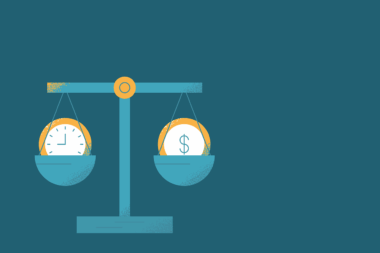

Leasing vs. Buying Equipment: Financing Considerations for Franchisees
When it comes to financing equipment, franchisees often face the essential decision of whether to lease or buy. Leasing offers flexibility, allowing for lower upfront costs and the ability to update equipment regularly. This option is particularly beneficial for fast-evolving industries where technology improves rapidly. Conversely, purchasing equipment means a higher initial cost but long-term ownership and potential tax benefits. Franchisees can write off depreciation on taxable income, which can provide financial advantages. Understanding cash flow projections is critical in making this decision. Analyzing monthly expenses against revenue streams will guide franchisees in assessing their ability to afford either leasing payments or equipment purchases. Furthermore, it’s important to evaluate the total cost of ownership, including maintenance, insurance, and financing costs, when deciding how to approach this financing option. Franchisees should consult with financial advisors and consider their specific operational needs when weighing leasing against buying. Capital preservation is a vital factor, especially for new franchises. This balance can potentially enhance a franchisee’s overall operational flexibility and business success.
Additionally, many franchise systems provide guidelines or preferred lenders for equipment financing. These partnerships can simplify the acquisition process and possibly offer better financing terms for franchisees. Generally, equipment financing can be tailored to meet cash flow needs. When leasing, franchisees might enjoy tax deductions for lease payments, which can alleviate some financial burden. Comparing this with the benefits of ownership, where interest on loans can also be tax-deductible, allows franchisees to make informed fiscal choices. A thorough understanding of the financing market, including interest rates and lender options, plays a crucial part in the decision. Franchising often involves specific equipment that’s vital for brand consistency, making it essential to carefully assess financing methods. Another factor to consider is the potential for unexpected repairs and replacement needs. Lease agreements may include maintenance clauses, whereas purchased equipment requires franchisees to account for unforeseen costs. Engaging in discussions with other franchisees about their experiences can yield invaluable insights and clarity regarding possible pitfalls and advantages associated with both leasing and buying equipment.
Evaluating Long-Term Goals
Ultimately, evaluating the long-term strategic goals of a franchise business will significantly impact financing decisions. Franchisees must consider how their choices can align with growth objectives. For example, leasing may offer a more manageable option in the short term but could hinder overall asset accumulation for the franchise. Conversely, purchasing equipment can build equity over time, providing valuable long-term assets for the franchise balance sheet. This notion of equity plays a vital role in securing future financing for expansion or new locations, as lenders often scrutinize asset value. Franchisees should also be aware of how their choice may affect operational agility. In fluctuating markets, leased equipment might offer the flexibility needed to adapt without incurring large depreciation losses. Therefore, it’s essential for franchisees to conduct a comprehensive evaluation regarding their growth trajectories before making a financing decision. Moreover, these financial choices can significantly affect relationships with suppliers and lenders, impacting their market positioning. A well-informed analysis fosters accountability in financial planning and ensures that franchisees are making the best choices for their respective businesses.
Another aspect to consider is the impact of technology on equipment financing decisions. Advances in technology can not only influence the type of equipment needed but also the longevity of its usefulness. In sectors where technological advancements occur every few years, leasing might be the sensible option, as it allows franchisees to upgrade frequently. Conversely, in more traditional industries, purchasing equipment that can serve for a longer duration may prove more beneficial. The timeframe of usage affects this consideration greatly, and franchisees must analyze equipment depreciation cycles. Franchisees should remain proactive by researching current and future technological innovations relevant to their industry. Additionally, securing financing terms that accommodate these innovations can help ensure better preparedness for shifts in demand. Collaborating with franchisors to determine the most suitable options for equipment financing can result in mutual benefits. Understanding these dynamics can lead to improved negotiation power concerning either lease agreements or loan terms. Thus, franchisees are encouraged to remain vigilant and adaptable to technological change when deciding on their financing strategy.
Understanding Total Costs
Understanding total costs associated with both leasing and purchasing equipment is crucial for informed decision-making. Franchisees ought to calculate not only the initial costs but also ongoing expenses related to each financing option. For purchased equipment, these costs may include maintenance, insurance, and possible repair expenditures that can accumulate over time. Leasing may ease the burden of these additional costs, as some agreements include maintenance support, thus offering more predictable budgeting capabilities. Franchisees should evaluate lease terms carefully to uncover any hidden fees or expenses that could emerge over the lease term. Furthermore, financing agreements must outline how end-of-term conditions might affect ownership or the transition path to new equipment. As technology and market conditions shift, understanding these total expenses will empower franchisees to plan better financially for the future. Seeking counsel from experienced franchisees can provide insights into real-world experiences and their budgets during the purchase or lease period. Thus, franchisees should incorporate comprehensive financial modeling to assess the profitability of either option over time.
Another vital factor is the ability to pivot in response to market changes. The flexibility offered by leasing, such as the chance to upgrade equipment regularly, could position a franchise for success in intense competitive environments. Franchisees should consider market dynamics, such as how swiftly consumer preferences are evolving. With significant fluctuations in consumer behavior recently, opting for leasing can provide the advantage of adapting equipment to meet new demands without substantial financial risk. In contrast, purchasing equipment ties up capital. It’s vital that franchisees closely analyze how equipment financing choices impact potential market responsiveness. Working with financial experts can be beneficial in assessing current market trends and how they affect financing decisions. Ensuring operational adaptability can solidify a franchise’s position in an increasingly volatile marketplace. Having insightful finance management contributes profoundly to optimizing resources, enabling franchisees to respond effectively to shifting consumer needs. This strategic consideration can form a distinct competitive advantage, making agility essential for franchisees assessing their financing paths.
Final Thoughts on Financing Strategies
In conclusion, franchisees face challenges within the realm of financing equipment, particularly in the lease versus purchase decision. These decisions necessitate a thorough understanding of cash flow, market dynamics, and long-term objectives. By closely evaluating their specific needs, franchisees can find the financing method that aligns best with their operational goals. Whether leasing allows for agility and lower initial costs, or purchasing contributes to asset building, the unique circumstances of each franchise will inform their decision. Franchisees should seek multiple perspectives to gain a rounded view of potential financing options. Engaging with their franchisor, fellow franchisees, and financial consultants builds a comprehensive framework to approach these vital choices. This engagement fosters an informed environment where franchisees can navigate equipment financing effectively for enhancing their operational efficiency. By arming themselves with knowledge and understanding of nuances in leasing versus buying, franchisees are better positioned to make informed financial decisions. These decisions can significantly impact the trajectory of their franchise, shaping its potential for success.
Ultimately, the choice between leasing and buying equipment will depend on unique factors surrounding each franchise. With careful consideration and strategic planning, franchisees can optimize their financing decisions and positioning within their industry. No single method suits all; therefore, understanding individual goals is paramount. With the right financial approach and support, franchisees can effectively manage their equipment needs while positioning their businesses for long-term growth. The critical takeaway is to thoroughly analyze not only financial implications but also the broader impact on operational success when choosing financing methods.