
Price Elasticity in Agricultural Products: An Economic Perspective
Understanding price elasticity is crucial within agricultural economics as it directly affects farmers, consumers, and policymakers. Price elasticity measures how demand for agricultural products responds to changes in price. For instance, when prices increase, if the demand remains high, it is considered inelastic, while substantially decreasing demand indicates elastic behavior. Farmers must track price elasticity to set competitive prices aligned with market demand. Insights can be gained by analyzing various agricultural products, like wheat, corn, or rice. Specialization in these areas helps predict consumption trends specifically for certain regions. This understanding allows producers to adjust their production levels accordingly, ensuring the supply meets demand effectively. Policymakers also benefit as they can formulate policies that support agricultural stability through price regulations and subsidies. Knowing the target elasticity enables decision-makers to estimate the potential impact of price changes on consumption patterns systematically. Overall, grasping price elasticity’s significance gives stakeholders the tools they need to navigate the complexities of agricultural markets and ensure sustainable practices throughout the sector. Advocating transparency within these markets can also facilitate better responses to price volatility, promoting long-term economic growth.
Factors Influencing Price Elasticity
Several factors directly influence the price elasticity of agricultural products. First, the availability of substitutes plays a considerable role; if consumers can easily find alternatives, demand for a specific product becomes elastic. For example, if the price of beef increases considerably, consumers may opt for chicken, leading to decreased beef demand. On the other hand, unique agricultural products with fewer substitutes, like certain specialty crops, often exhibit inelastic demand. Furthermore, the proportion of income spent on a product affects its elasticity; products that consume a large share of consumers’ budgets tend to be more elastic. For instance, a rise in rice prices could significantly impact rice’s demand due to its contribution to household expenses. Additionally, consumer habits and preferences greatly influence elasticity; for example, staple foods generally sustain steady demand despite price hikes. Seasonal variations can also dictate elasticities as certain agricultural goods might see temporary spikes or drops in demand due to harvest cycles. By considering these various factors, stakeholders can navigate and adapt strategies with greater precision, ensuring they meet market expectations and consumer needs effectively.
Price elasticity impacts not only sales volume but also overall revenue for farmers and agricultural businesses. When demand for a product is elastic, a small increase in price may lead to a proportionally larger decrease in quantity demanded. Conversely, if the demand is inelastic, higher prices can significantly boost revenue. This nuance becomes particularly important during economic downturns or in times of food scarcity, when consumers’ purchasing power fluctuates. For instance, if corn prices rise due to a reduced harvest, farmers must weigh the potential revenue increase against the risk of losing customers. Understanding elasticity supports farmers in making informed decisions about when to adjust prices in response to market conditions. Additionally, government interventions can have a significant effect on price elasticity; subsidies might encourage production at lower prices, while tariffs can discourage imports, which may alter local supply demands. Farmers and stakeholders must remain attuned to these changes in order to respond effectively. Consequently, grasping how elasticity influences pricing strategies empowers agricultural producers and advocates, ensuring that they remain viable and competitive within an increasingly dynamic market environment.
Elasticity and Policy Implications
Price elasticity in agricultural products has substantial policy implications, especially concerning food security and economic stability. Governments often rely on price elasticity data to design effective agricultural policies aimed at stabilizing market prices. For instance, if a particular crop’s price elasticity is known, authorities can decide whether to implement tariffs or subsidies to maintain an equilibrium between supply and demand. This becomes crucial in developing nations where agricultural sectors are a backbone of the economy. By encouraging production in times of low pricing, governments can use elasticity insights to protect farmers from losses, empowering them to sustain their operations. Furthermore, price elasticity understanding aids in predicting consumer behavior shifts in response to price changes, allowing for forward-thinking strategies amongst stakeholders. This predictive capability can enhance food supply chains, ensuring that countries remain resilient to fluctuating market conditions. Hence, policymakers equipped with comprehensive insights into price elasticity can form strategies that bolster agricultural sustainability while promoting the well-being of agricultural communities. Overall, embracing this clarity helps to identify the most effective action and response plans within the agricultural sector.
Consumer behavior plays a pivotal role in dictating how agricultural products are perceived in economic terms. Elasticity reflects these behavior changes as consumers react to pricing variations through their purchasing decisions. Regular changes in consumer trends can reshape elasticity, suggesting that agricultural producers must monitor these shifts closely. For example, as health consciousness rises, the demand for organic produce may experience an elastic response—higher prices leading to significant differences in purchasing patterns. Understanding these dynamics allows farmers to align their products better with market trends. Marketing strategies must adapt to enhance consumer awareness of the benefits associated with specific agricultural goods. Consumer education about nutrition, sustainability, and food provenance can facilitate increased demand even in the face of rising prices. By leveraging social media and digital platforms, agricultural businesses can communicate effectively about their products, thereby influencing consumer behavior positively. This connection not only meets demand but also fosters customer loyalty, essential for long-term success. Addressing these aspects through effective consumer outreach helps agricultural stakeholders respond actively to changing market landscapes, helping to manage the effects of price elasticity effectively.
Challenges of Measuring Elasticity
Measuring price elasticity in agricultural sectors poses numerous challenges, often due to the dynamic nature of market forces affecting supply and demand. Data collection concerns are significant; obtaining accurate information on consumer purchasing habits can be problematic. Often, data from surveys may not reflect true purchasing behavior during fluctuating price conditions. Moreover, various factors like consumer psychology, seasonal trends, and external economic conditions complicate the analysis, making it difficult to establish a straightforward understanding of elasticity. For example, food products can be affected by seasonal weather patterns or policy changes that distort demand data during specific periods. While agricultural economists have devised models to estimate elasticity, uncertainty remains regarding their accuracy under different socioeconomic contexts. Additionally, the global interconnectedness of markets further complicates elasticity measurement due to external influences from international trade dynamics. By acknowledging and addressing these challenges, agricultural economists can improve their analyses concerning elasticity. This understanding is paramount for stakeholders who rely on precise data to make informed production and pricing decisions within the agricultural industry.
Technological advancements in agriculture and data analysis pave the way for improving elasticity measurement, providing innovative solutions to longstanding problems. Modern data collection tools, such as mobile apps and real-time analytics, enhance data accuracy and streamline the process of assessing consumer behavior against price changes. Furthermore, big data techniques allow agricultural businesses to analyze trends more efficiently, enabling them to predict demand patterns based on pricing strategies. Machine learning algorithms can evaluate vast datasets to identify correlations between price elasticity and consumer responses significantly. Implementing these technologies fosters an adaptive approach to agricultural economics, allowing producers to emphasize data-driven decisions for prospective pricing and production efforts. Additionally, collaboration between economists, data scientists, and agricultural producers enhances the overall understanding of price elasticity, ensuring a well-rounded analysis of market dynamics. By integrating technology into the elasticity assessment process, stakeholders can navigate fluctuating market conditions more adeptly, responding swiftly to consumer needs. Ultimately, leveraging technology empowers agricultural stakeholders to enhance their operations and stay competitive in a rapidly evolving marketplace, securing their future success.

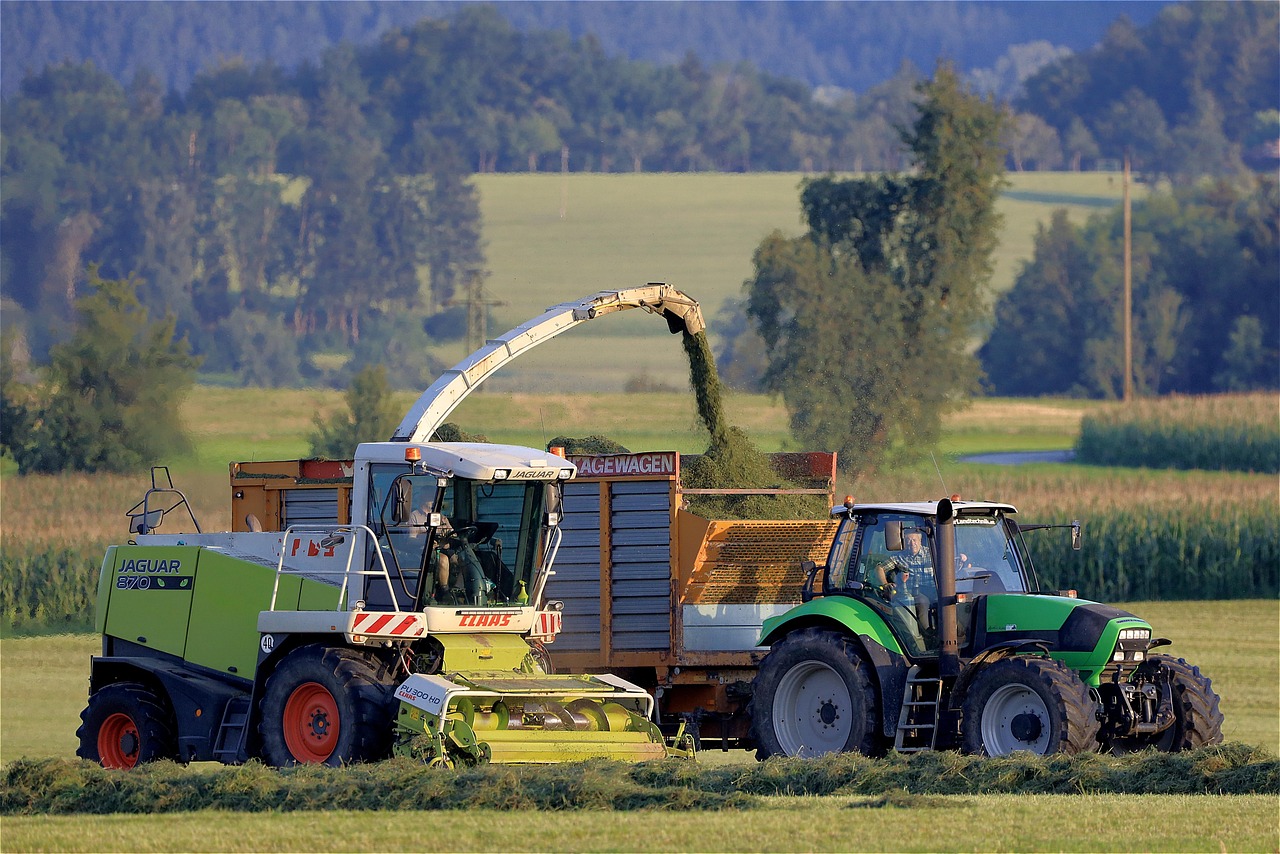
This image depicts the crucial intersection between agriculture and economics, representing the vast landscape where price elasticity plays a significant role.