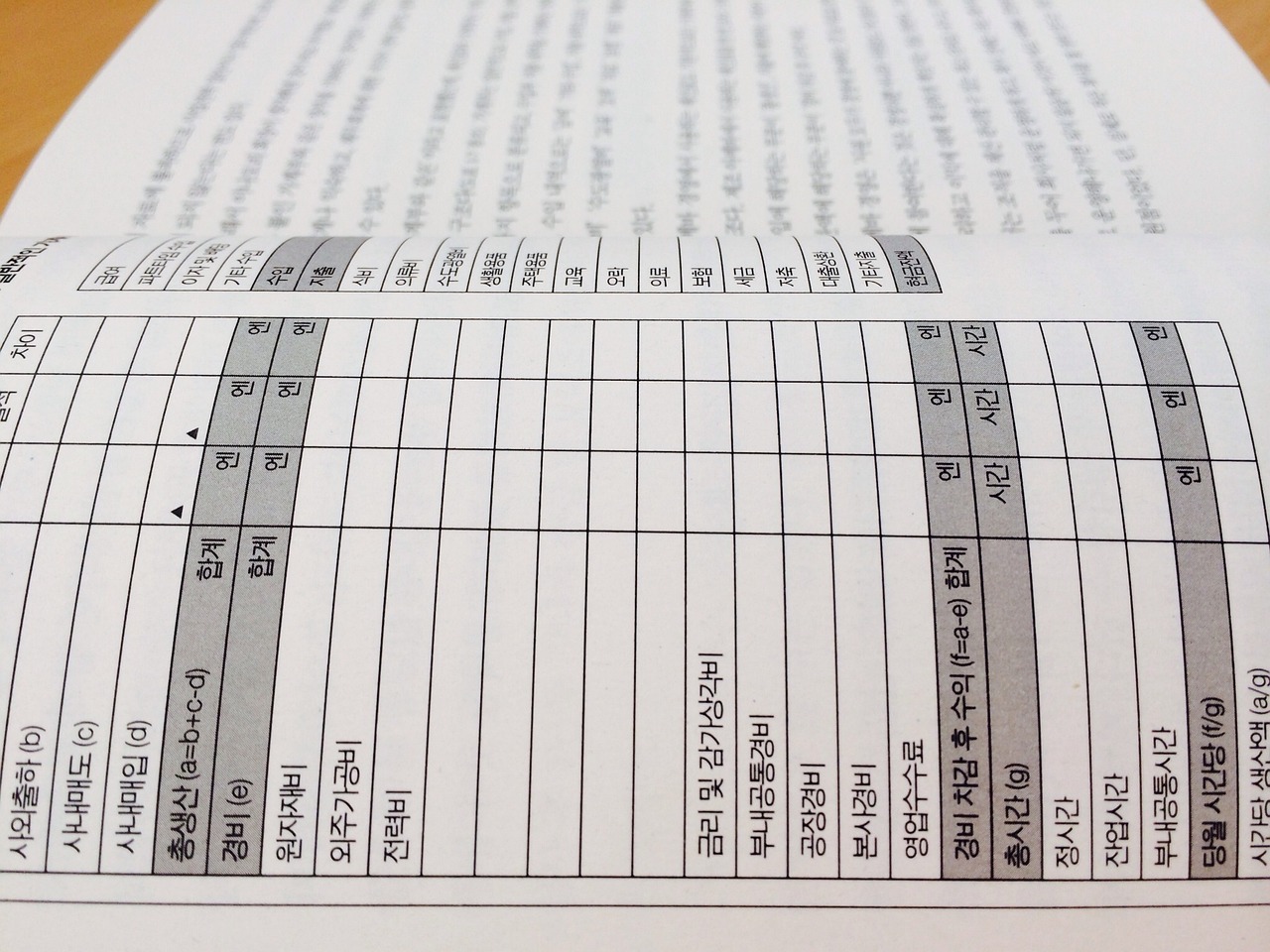

Financial Statement Analysis for Nonprofit Mergers and Partnerships
Understanding financial statements is crucial for nonprofits, especially during mergers and partnerships. These documents present a wealth of information, revealing the organization’s financial health and operational efficiency. When nonprofits come together, analyzing these financial documents allows for better-informed decisions about merging resources, aligning missions, and utilizing shared assets effectively. Key components of financial statements include the statement of activities, statement of financial position, and the statement of cash flows. The statement of activities showcases revenue and expenses, indicating the overall financial performance. In sharp contrast, the statement of financial position provides a snapshot of assets, liabilities, and net assets. Meanwhile, the cash flow statement illustrates how cash moves in and out of the organization, revealing its liquidity. For a successful merger or partnership, understanding these various components in-depth is essential. Taking time to analyze the trends in relevant financial metrics can provide insights on sustainability and potential challenges. Nonprofits should approach this analysis collaboratively to create alignment and minimize risks during the integration phase.
When conducting financial statement analysis for nonprofits, it is essential to apply specific financial ratios, helping to gauge financial health and operational effectiveness. Ratios such as the current ratio, operating margin, and liquid assets ratio are especially useful. The current ratio measures the organization’s ability to meet short-term obligations using its current assets. An ideal ratio usually stands above 1, indicating that the nonprofit can cover its liabilities adequately. The operating margin assesses the efficiency of the organization’s operations, revealing how much of its revenue remains after expenses. A consistent operating margin encourages trust in the organization’s financial viability, both for donors and prospective partners. Additionally, the liquid assets ratio can highlight how much easily accessible cash or equivalents the nonprofit possesses. A comprehensive analysis using these ratios facilitates a clear understanding of financial positioning before initiating mergers or partnerships. Engaging in this type of analysis allows for preparing a solid foundation for negotiations and collaborative efforts, ensuring all parties have a mutual grasp on financial viability, which can contribute significantly to the merger or partnership’s success.
The Role of Budgeting in Mergers
Budgeting plays a critical role in the financial statement analysis for nonprofits during mergers and partnerships. A well-structured budget aligns the strategic goals and resources of each entity involved in a merger, providing a roadmap for success. Nonprofit organizations should develop a unified budget that reflects their combined missions and anticipated expenses for the upcoming fiscal period. This collaborative budget must take into account current revenue sources as well as projected funding, ensuring sustainability post-merger. Also, stakeholders must be involved in the budgeting process, addressing essential line items that reflect shared priorities. Engaging in transparent communication leads to aligned expectations and financial visibility. Regular revisions of the budget may be necessary to accommodate the dynamic nature of the combined organization. Implementing budget control measures, including variance analysis, helps organizations determine if the merger is progressing according to plan or requires adjustments. Ultimately, effective budgeting fosters accountability and strategic decision-making, contributing toward enhancing overall financial health and performance of merged nonprofit entities.
In financial statement analysis, the importance of cash flow management cannot be understated, particularly during nonprofit mergers. Adequate cash flow ensures that the merged organization can meet its obligations and continue to execute its mission effectively. Understanding cash flow patterns is vital before and after a merger, as it signifies how funds will be managed across the unified organization. Identifying historical cash flow trends within each nonprofit aids in forecasting future needs and potential pitfalls. Emphasis should be placed on monitoring cash flow projections, ensuring they reflect realistic expectations regarding income and necessary expenditures. A thorough examination of each nonprofit’s cash flow statement reveals patterns that may highlight excessive spending or poor revenue streams. Meeting regularly to discuss cash flow situations post-merger facilitates timely reevaluation of strategies, allowing nonprofits to remain agile. Investing in cash flow management tools enhances financial visibility and empowers stakeholders to make informed decisions. Maintaining a healthy cash flow contributes significantly to long-term sustainability and stability, which is essential for fostering trust and commitment in merged nonprofits.
Financial Compliance and Standards
Nonprofits engaged in mergers must pay close attention to financial compliance and reporting standards. Compliance with the relevant regulations is critical to maintain transparency and accountability, especially to stakeholders and donors. Understanding the unique financial reporting requirements for nonprofits, including tax obligations and auditing standards, ensures that the merged entity operates within legal boundaries. Familiarity with the guidelines from governing bodies – such as the Financial Accounting Standards Board (FASB) and the Internal Revenue Service (IRS) – plays a critical role in this process. Recognizing potential liabilities resulting from non-compliance can safeguard the future of the organization and its mission. Importantly, fostering a culture of compliance within the merged organization allows for smoother integration and alignment of financial practices. Regular training and workshops can enhance staff understanding of compliance issues and reporting standards, thus reducing the likelihood of errors. Engaging legal and financial advisors specializing in nonprofit compliance will improve practices while minimizing risks. Ultimately, a solid foundation in compliance ensures that the merged nonprofit can effectively serve its intended community, maintaining trust and securing future funding.
Effective communication regarding financial performance is essential before and after nonprofit mergers to ensure stakeholder trust and transparency. Clearly outlining financial objectives and expectations, using plain language, promotes understanding among board members, staff, and constituents. Providing regular updates on financial performance through reports and presentations highlights progress and any necessary adjustments. Informing stakeholders about what they can expect in terms of service delivery and operational changes further fosters trust throughout the transition phase. Additionally, acknowledging and addressing concerns surrounding finances helps to mitigate risks associated with uncertainty. Open communication about financial strategy strengthens relationships and allows for constructive feedback during the merger process. One effective approach is to create a financial dashboard, offering stakeholders a visual representation of key performance indicators and financial metrics. Utilizing tools such as graphs and charts transforms complex financial data into easily digestible information. Increased engagement through effective communication ensures stakeholders remain informed and committed to the merged entity’s vision. This management of expectations reinforces a collaborative approach towards achieving shared goals, ultimately benefitting both organizations.
Post-Merger Evaluation and Financial Review
Finally, conducting a thorough post-merger evaluation and financial review is vital for gauging the success of the merger or partnership between nonprofits. This assessment involves reviewing financial performance against the objectives and projections established prior to the merger. Engaging stakeholders in this review process enables all parties to identify areas succeeding and those needing improvement, fostering a culture of continuous learning. Competent analysis of financial results will assess whether operational efficiencies have been realized, as well as if fundraising efforts have met expectations. Key metrics should be analyzed over time to evaluate impacts on sustainability, program delivery, and participant engagement. Also, incorporating feedback from staff and service users during this review can provide invaluable insights into areas that require adaptation. This regular evaluation not only ensures that the merged organization remains accountable, but it also empowers staff to take ownership of their roles in driving organizational success. In conclusion, a proactive approach to post-merger financial analysis will promote growth and achievement within the nonprofit sector, enhancing its overall impact.