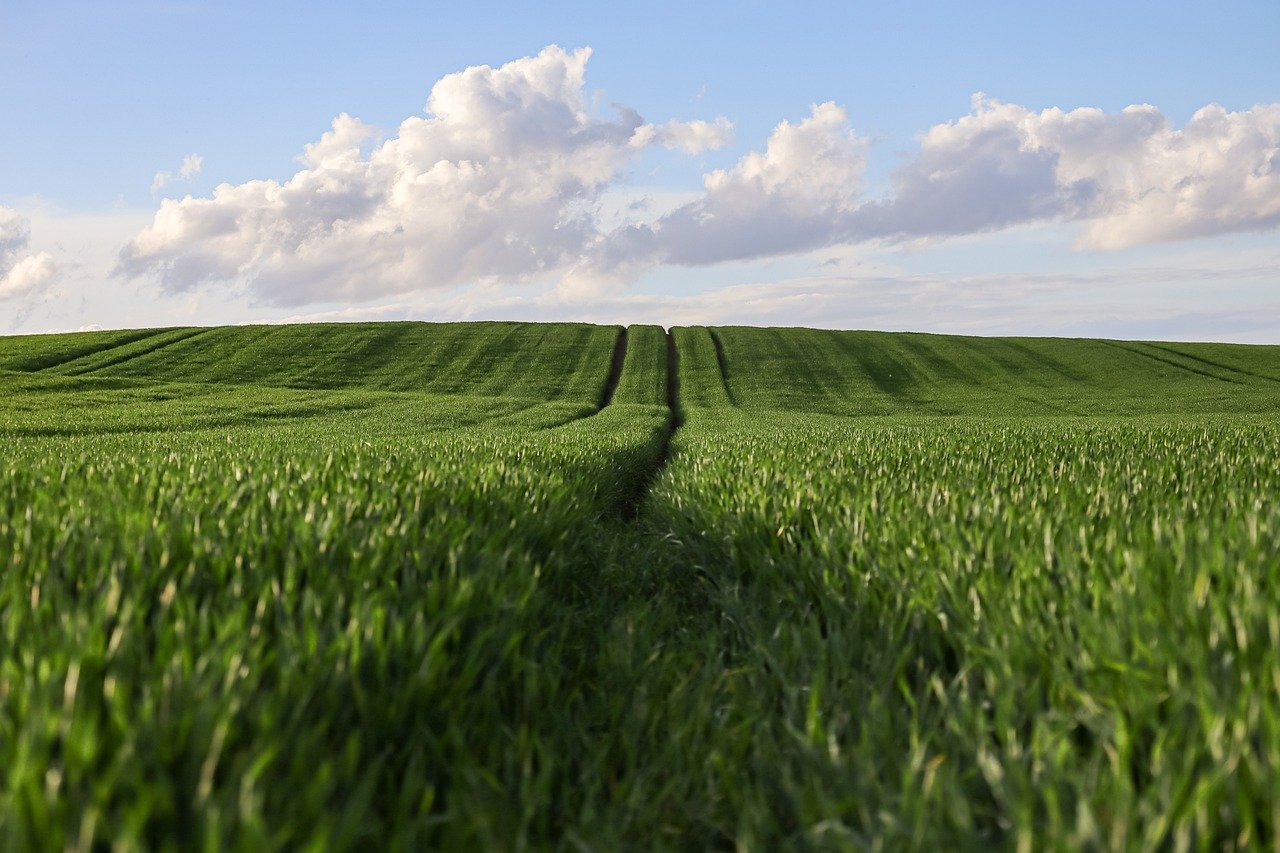

Seasonal Trends in Agricultural Commodities
Understanding seasonal trends in agricultural commodities is crucial for investors aiming to maximize their profits. Various factors contribute to these trends, including weather patterns, harvesting cycles, and market demand. Seasonal fluctuations can significantly impact prices, allowing savvy traders to capitalize on these movements. For instance, grains such as corn, wheat, and soybeans exhibit notable price shifts based on planting and harvest schedules. Additionally, global events, such as trade agreements and political instability, can amplify these trends. In commodities trading, timing is essential. Investors must analyze historical data to identify patterns and anticipate market responses. Tools like seasonal charts or technical analysis can aid in this process. Another critical aspect is to stay updated with news and forecasts that impact supply and demand dynamics. For example, droughts or floods can lead to decreased supply, driving up prices. Alternatively, record harvests may result in lower prices. Therefore, understanding these factors equips investors with a strategic advantage, enabling them to make informed decisions. Ultimately, utilizing seasonal trends can optimize trading strategies and enhance financial outcomes in the ever-fluctuating agricultural market.
Commodities such as oil, gold, and agricultural products showcase seasonal trends influenced by multiple factors. Analyzing past patterns is essential to predict future price movements effectively. For instance, agricultural commodities often see peak prices during certain months corresponding with harvesting seasons. This correlation allows traders to identify potential entry and exit points for their investments. Moreover, global economic conditions, currency fluctuations, and geopolitical events can significantly affect these trends. Agricultural commodities typically have specific demand cycles linked to climate variations; for example, droughts can impact crops adversely, subsequently raising prices. Traders often employ fundamental analysis to assess these conditions comprehensively. Understanding these patterns can also help traders create hedging strategies to mitigate risk. For instance, if a drought is forecasted in a major agricultural area, traders might choose to buy futures contracts beforehand. On the other hand, unexpected surpluses may lead to price drops, prompting short selling. Consequently, a solid grasp of seasonal trends empowers traders to position themselves advantageously, maximizing gains while minimizing losses. Thus, effectively utilizing seasonal trends in agriculture is key to successful commodities trading.
The Impact of Weather on Agricultural Commodities
The influence of weather on agricultural commodities cannot be overstated. Weather patterns dictate the success of crops and ultimately shape market prices. Factors such as temperature, precipitation, and natural disasters can severely impact yield potential. For instance, excessive rainfall can lead to flooding, damaging crops like rice and soybeans. Conversely, a lack of rain can cause droughts, adversely affecting corn and wheat production. These events not only reduce supply but also elevate prices as traders respond to potential shortages. As a result, seasonal weather forecasts become invaluable resources for investors. By monitoring climate projections, they can anticipate market fluctuations. Additionally, climate change has introduced new challenges, altering traditional farming timelines and contributing to unpredictability in yield outcomes. This unpredictability increases the need for active management of agricultural investments. Traders must continually assess weather data to inform their decisions. Moreover, employing technology such as weather prediction models can enhance their understanding of these trends. Ultimately, acknowledging weather’s impact and its seasonal effects will support informed trading strategies, enabling investors to navigate agricultural commodities effectively.
Another crucial aspect of seasonal trends in agricultural commodities is their relationship with consumer demand. The market often reacts based on anticipated needs during particular seasons. For instance, certain fruits and vegetables peak in popularity during their harvesting months, which can drive prices up. Conversely, demand for specific commodities might wane during off-seasons, leading to price declines. Understanding these demand cycles is vital for anyone trading in agricultural commodities. Moreover, the introduction of festivals or holidays can also generate seasonal spikes in demand. For example, during Thanksgiving, turkey prices generally increase due to higher consumption. Seasonal holidays, thus, present unique trading opportunities that informed investors can take advantage of. Awareness of local and global consumption trends should guide traders’ decisions. Additionally, understanding consumer behavior can enhance agricultural investment strategies. Staying current with market trends and preferences enables traders to adapt their positions to forecasted demands. Utilizing analytical models to predict shifts in consumer behavior further strengthens trading strategies. Effective management of these seasonal demand trends grants traders greater control over their investments in the ever-evolving agricultural landscape.
Utilizing Technical Analysis in Commodities Trading
Technical analysis is indispensable for traders seeking to understand the seasonal trends in agricultural commodities. By leveraging historical price data, traders can identify important patterns and market cycles that tend to repeat over time. This analysis helps traders forecast potential price movements, allowing them to make informed decisions about entry and exit points. For instance, moving averages and Bollinger Bands can indicate whether a commodity is overbought or oversold in relation to its historical performance. Such insights can guide strategic trading choices. Furthermore, incorporating volume analysis helps assess market strength behind certain movements, providing additional confirmation for predictions. A robust technical analysis strategy should also consider seasonal indicators specific to commodities. Many traders employ seasonal charts that depict average price changes throughout the year. By correlating these patterns with current market conditions, they can identify optimal trading opportunities. Additionally, combining technical analysis with fundamental insights—such as weather reports and crop conditions—enhances overall trading effectiveness. As such, mastering technical analysis allows traders to navigate the complexities of agricultural commodities more adeptly, ensuring better chances for profitability.
Risk management also plays a critical role when trading seasonal trends in agricultural commodities. Given the volatility associated with agriculture, investors must implement strategies that protect their capital. One effective approach is the diversification of trading portfolios. By investing in various agricultural products, traders can mitigate the impact of adverse price movements in a single commodity. Additionally, setting stop-loss orders can help limit potential losses while preserving profit margins. Educating oneself on market volatility and price trends is paramount for successful risk management. Understanding historical performance during specific seasons can provide insights into potential risks. Moreover, utilizing options and futures contracts can serve as an excellent hedge against unforeseen price shifts. Traders can lock in prices for future transactions, ensuring that they are somewhat insulated from market fluctuations. Implementing a rule-based trading strategy ensures disciplined trading, reducing emotional decision-making during times of volatility. Furthermore, regularly reviewing risk management strategies allows traders to adapt to ever-changing market conditions. Ultimately, a proactive approach to risk management empowers traders to navigate the uncertainties inherent in agricultural commodities trading more effectively.
Consumer Preferences and Market Trends
In today’s dynamic agricultural landscape, understanding consumer preferences is critical. Trends in consumer behavior impact agricultural commodities and can result in price shifts based on changing demands. For instance, the growing interest in organic products has influenced the prices and availability of various crops. This shift necessitates that traders remain attuned to these changes to maximize their investments. Tracking consumer trends requires diligent research and analysis; understanding where the market is heading is crucial for timely investment decisions. Additionally, the rise of plant-based diets is reshaping demand, particularly for crops such as soy and legumes. The popularity of these foods is increasing, impacting their pricing and trade patterns. Traders who adapt to these consumer shifts can achieve success while those who resist change may face losses. Social media and digital marketing have further emphasized the rapid pace of changing consumer preferences, necessitating that investors remain informed through continuous learning. Using analytical tools enables traders to gain insights into market sentiments and cycles, further enhancing their decision-making capabilities. Therefore, staying updated on consumer preferences is vital for effectively navigating agricultural commodities trading and ensuring profitability.
Ultimately, seasonal trends in agricultural commodities present both challenges and opportunities for traders. Recognizing the myriad factors influencing these trends enables investors to develop informed strategies that enhance their chances of success. From weather patterns to consumer preferences, each aspect plays a vital role in price movement and market dynamics. Traders who harness the power of seasonal analysis, technical insights, and risk management will maximize their trading potential within this sector. Furthermore, leveraging available resources and staying informed about recent developments can yield significant advantages. As the agricultural landscape becomes more nuanced, ongoing education and adaptation to emerging trends are critical. Successful commodities traders remain vigilant, flexible, and knowledgeable, allowing them to navigate the unpredictable nature of agricultural markets. Therefore, continuously refining strategies and maintaining a proactive approach to change can cultivate resilience in this volatile industry. Ultimately, traders who prioritize understanding seasonal trends can position themselves effectively for sustainable growth and profitability. With diligent observation and strategic planning, the rewards of engaging in commodities trading can be substantial for those who are well-prepared.