
Measuring Business Performance with Dashboards
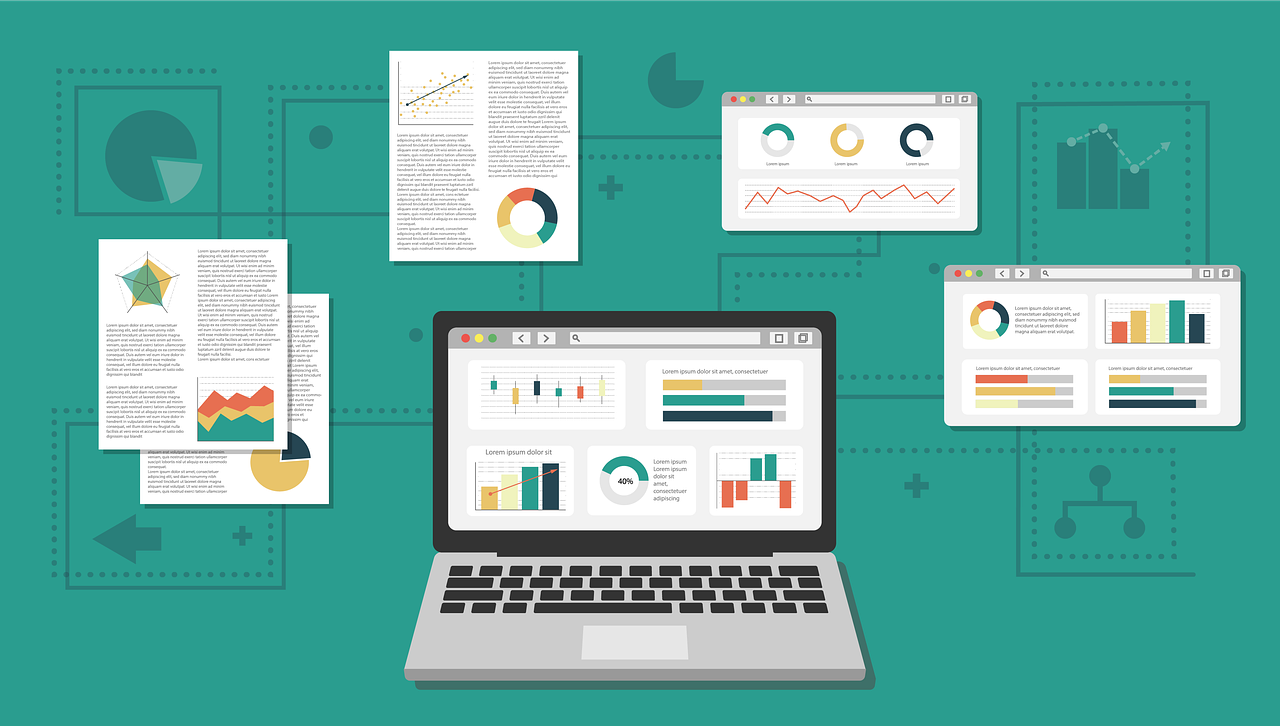
In today’s fast-paced business environment, dashboards have become essential tools for measuring business performance. They consolidate data from various sources into one accessible space, allowing for real-time analysis. By visualizing key metrics, dashboards enhance decision-making processes, enabling businesses to respond quickly. Various industries benefit significantly from implementing dashboards, as they provide a clear overview of performance indicators. Organizations can track sales figures, customer satisfaction, and operational efficiency, among other metrics. Furthermore, dashboards enable users to identify trends over time, fostering proactive strategies. This insight equips teams with the capability to make informed decisions, ultimately enhancing overall productivity. Dashboards come in many forms, from basic reporting tools to advanced analytical platforms that utilize artificial intelligence and machine learning technologies. Using software tools, businesses can customize dashboards to fit their unique needs. Users can select specific metrics relevant to their goals, ensuring that the right data is at their fingertips. Overall, dashboards present a powerful mechanism to gauge performance, streamline operations, and foster growth in a competitive landscape. Investing in dashboard technology is a strategic decision that can significantly yield well-structured business outcomes for organizations.
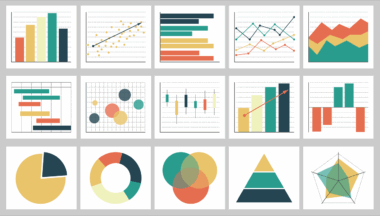
One of the primary advantages of utilizing dashboards in business analytics is the ability to present data visually. This visual representation makes complex data sets more digestible, effectively transforming intricate statistics into meaningful insights. By employing various graphical formats like pie charts, bar graphs, and line charts, users can quickly assess trends and patterns. This clarity not only facilitates comprehension but also enhances collaboration among team members. When everyone understands the current performance metrics, discussions become more focused and productive. Moreover, digital dashboards can be accessed from anywhere, allowing remote teams to stay connected and informed. The mobile nature of these tools means even stakeholders not located within the office can access crucial data. These dashboards empower businesses to respond swiftly to changes and consumer needs, adapting strategies that are relevant and timely. With customizable alerts, organizations can set thresholds for critical data points, ensuring prompt action when necessary. This immediate access to information substantiates decisions based on up-to-the-minute metrics, reducing reliance on outdated reports. Consequently, businesses that prioritize dashboard reporting are better equipped to navigate uncertainties while bolstering data-driven cultures.
Key Metrics to Track
To ensure that dashboards provide valuable insights, organizations must identify and track the right key performance indicators (KPIs). KPIs serve as benchmarks that assess the success of various business activities. Common metrics to track include sales revenue, customer acquisition cost, and employee performance ratios. By focusing on these KPIs, businesses can gain a clearer understanding of their operational health. Additionally, the choice of KPIs should align with the business’s overall goals and objectives, enhancing strategic clarity. For example, if improving customer service is a priority, organizations might choose to track customer satisfaction scores and response times. Each selected metric should be relevant, measurable, and clearly defined. Customizing dashboards to reflect these specific metrics helps ensure stakeholders receive pertinent insights tailored to their needs. Furthermore, ongoing review and adjustment of tracked metrics can optimize dashboard effectiveness; as business strategies evolve, so should the KPIs. This iterative approach keeps organizations aligned with their changing goals and consumer expectations. Ultimately, selecting the right metrics to track fosters a thorough understanding of business performance, enabling smart and informed strategic decisions.
The integration of dashboards with advanced analytical tools is another pivotal aspect of measuring business performance. By leveraging data analytics, organizations can enhance their dashboards’ effectiveness and derive deeper insights from raw data. Analytical tools allow users to generate predictive models, enabling businesses to forecast trends and anticipate challenges. This forward-thinking approach aids in proactive decision-making strategies that drive growth. Additionally, the incorporation of machine learning algorithms can uncover hidden patterns within data, offering a competitive advantage. Businesses can personalize customer experiences based on these insights, leading to higher satisfaction and retention rates. Furthermore, integration with business intelligence platforms strengthens data accuracy, ensuring that dashboards reflect real-time performance conditions. When analytics are paired with dashboards, teams can track the impact of their strategies, making necessary adjustments on the fly. A well-informed organization moves confidently in its strategic planning, reducing the chances of miscalculated risks. Thus, integrating dashboards with robust analytical capabilities prepares businesses to navigate future uncertainties. Enhanced connectivity among tools within the analytics ecosystem propels agility and efficiency across various business functions such as finance, operations, and marketing.
Best Practices for Dashboard Implementation
Implementing dashboards effectively requires adherence to specific best practices that enhance utilization and impact. First, organizations should involve end-users during the design phase to develop dashboards tailored to their needs. This collaboration ensures that the dashboard serves its intended purpose and meets user expectations. Secondly, designs should prioritize simplicity and clarity; overly complicated visuals may hinder comprehension. Utilizing an uncluttered layout allows key information to stand out. Thirdly, it is crucial to ensure that the data feeding into dashboards is accurate and updated regularly. Inaccurate data can mislead users and ultimately negate the benefits of dashboard reporting. Furthermore, organizations should provide training sessions to enhance user familiarity and confidence with dashboards. Users should be equipped to interpret metrics and maximize their insight value. Another significant practice is to regularly assess the effectiveness of the dashboards through user feedback and performance evaluations. This feedback helps in making necessary adjustments, ensuring that the dashboard evolves with the organization’s changing needs. Overall, when businesses prioritize these best practices, they lay the groundwork for a successful dashboard initiative that positively impacts performance and decision-making.
In corporate settings, the cultural implications of dashboards should also be considered as part of their implementation strategy. Transitioning towards a data-driven culture can be challenging, requiring significant behavioral shifts among employees. Leadership must embrace the use of dashboards and exhibit confidence in data-driven decision making. This encourages team members to adapt to a data-centric mindset, fostering appreciation for dashboards as tools for collaboration and transparency. Additionally, promoting data literacy throughout the organization creates a more informed workforce. Training programs focused on understanding metrics empower employees to leverage dashboards effectively. By establishing an environment where data is openly shared, employees can collaborate more effectively based on real insights. When teams operate using accessible performance metrics, they can collaboratively tackle challenges and celebrate successes. Furthermore, recognizing and rewarding data-driven behaviors reinforces the importance of insights in everyday decision-making processes. Cultural integration takes time and requires consistent effort, but such endeavors offer long-term organizational benefits. Organizations committed to nurturing a data-driven culture increase their operational efficiency and solidify a competitive edge in their respective industries.
The Future of Dashboards
Looking towards the future, the evolution of dashboards promises exciting advancements that will shape business analytics. As technology continues to advance, first, expect dashboards to leverage artificial intelligence at unprecedented levels, enabling more intuitive data interactions. Enhanced machine learning capabilities will provide users with actionable insights while automatically identifying patterns without manual intervention. Additionally, natural language processing capabilities may allow users to query data seamlessly through conversational interfaces. This transformation simplifies the overall user experience, making dashboards even more accessible to non-technical stakeholders. Another anticipated trend is the integration of augmented reality features, enabling immersive data visualization. Such innovations increase user engagement and enhance the depth of insights retrieved from data. Moreover, incorporating real-time data streams into dashboards will ensure that businesses operate on the latest information, allowing for immediate responsiveness. As mobile technology matures, expect greater flexibility in accessing dashboards across devices, allowing decision-making on the go. Finally, continuous advancements in cybersecurity will ensure that sensitive information remains protected while utilizing dashboards. Collectively, these trends signify the critical role dashboards will play in driving strategic decisions in the evolving business landscape. Organizations must adapt to these changes to remain competitive and effective.
In summary, measuring business performance through dashboards is a vital practice that enhances organizational capabilities. By centralizing data and providing real-time insights, dashboards facilitate informed decision-making, collaboration, and strategic foresight. Key metrics must be clearly defined for dashboards to deliver impactful results, and their integration with analytical tools further enriches these insights. Organizations should prioritize best practices during dashboard implementation to ensure user adoption and satisfaction. Additionally, cultural considerations are paramount in fostering a data-driven mindset among employees. The future of dashboards indicates exciting innovations that will further enhance their capabilities, making them indispensable for modern organizations. In light of the critical role dashboards play, implementing them strategically sets the foundation for success. As businesses continue to navigate high-stakes environments, utilizing dashboards will be key to understanding performance dynamics and driving growth. Ultimately, organizations committed to harnessing the full potential of dashboards position themselves for competitive advantage in their respective industries. The ability to visualize performance data in a user-friendly manner will empower all levels of an organization to contribute effectively. Thus, the journey towards optimizing business performance through dashboards has only just begun.