
The Benefits of Simulated Trading Before Live Day Trading
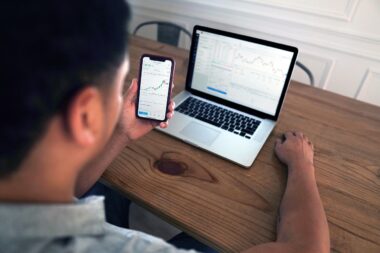
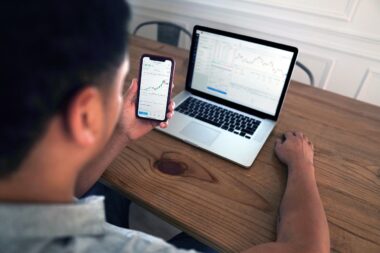
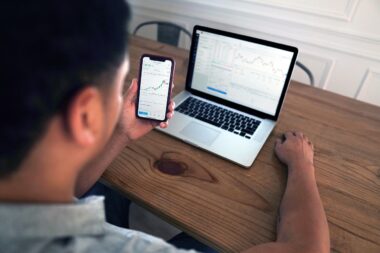
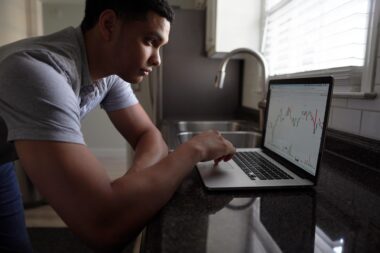
Simulated trading, often referred to as paper trading, is a crucial step for anyone entering the world of day trading. It allows traders to practice strategies, hone their skills, and develop an understanding of market dynamics without risking real money. This practice is especially vital for new traders who may not yet have fully developed their trading strategies or risk management skills. By using a simulated trading platform, traders can gain invaluable experience. They learn how to execute trades, manage a portfolio, and respond to market fluctuations in real-time while protecting their capital. The ability to make mistakes in a risk-free environment helps traders to develop effective strategies. They can analyze outcomes, adjusting their approach without the pressure of financial loss. Moreover, simulated trading helps in building confidence. As traders see their strategies yield results, they become more comfortable executing them in a live environment. In essence, simulated trading serves as a fundamental training ground for novice traders aiming to enter live markets with confidence and competence.
Another significant advantage of simulated trading is that it eliminates emotional factors typically present during trading. Emotions such as fear and greed often lead to poor decision-making in live markets, resulting in losses. By practicing in a simulated environment, traders can focus purely on strategy and analysis, free from emotional influences. They can develop a clear, disciplined approach to trading that is essential for success. This practice can also provide insights into personal trading behaviors. Traders can observe their responses to winning and losing trades and refine their psychology for better outcome management. Additionally, they can experiment with various trading tools and indicators in simulations, making their learning process diverse and comprehensive. The ability to trial different techniques without financial consequences allows for greater exploration and learning. Simulated trading can also help in confirming the suitability of a trading plan, ensuring that when traders move to real accounts, they are fully prepared. It acts as a bridge between theoretical knowledge and practical execution, making it an essential step in the trading journey.
Building Effective Strategies
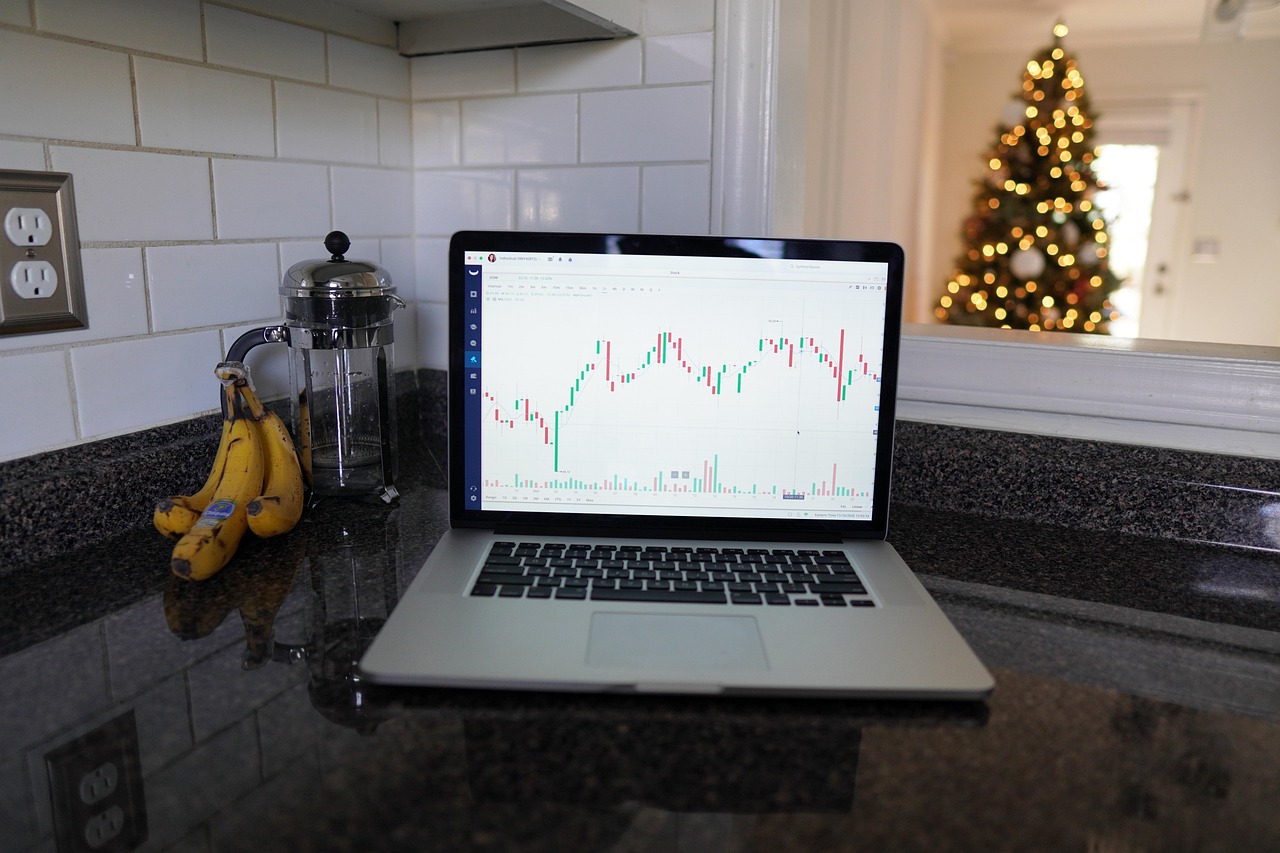
Moreover, simulated trading creates opportunities for traders to refine their strategies over time. They can backtest their plans, assessing performance under different market conditions, which is critical for day traders who thrive on volatility. This historical analysis enables them to tweak their entry and exit points based on trends and potential market shifts. They can develop a systematic approach, increasing the chances of profitability once they transition to live trading. The ability to track performance in simulated environments is a huge advantage, as traders can keep records of their successes and failures. They learn not only what works but also what does not, providing a roadmap for their trading future. Furthermore, simulated platforms often mimic the real market conditions, allowing traders to gain a realistic feel of the trading environment. This immersion helps bridge the gap between learning and actual trading. Consequently, they are much more familiar and comfortable with how prices move, how orders are executed, and how events can affect market prices. Hence, it enhances overall readiness for real-world trading scenarios.
In addition to developing emotional resilience and strategic insight, simulated trading fosters patience and discipline in traders. Day trading requires a level-headed approach and the ability to withstand market volatility. Through simulations, traders learn to wait for the right setups before executing trades, resisting the urge to act impulsively. They can practice maintaining their trading plans even when faced with adverse market conditions, reinforcing their commitment to discipline and risk management. Such habits are critical as daylight stock markets can be unpredictable, and spinning into emotional reactions can lead to poor financial choices. By consistently utilizing simulated trading environments, traders cultivate an ethos of preparation and practice, ultimately gearing themselves for a successful transition to live-day trading. Moreover, the ability to set and respect trading limits, such as stop-loss and take-profit orders, becomes second nature through simulation. This training establishes the foundation for strong risk management practices that are necessary for long-term success in trading. Consequently, simulated trading not only reinforces knowledge but instills essential qualities that every successful trader must possess.
Transitioning to Live Trading
When traders finally make the leap to live trading, the benefits they have gained through simulations become evident. They have developed a methodical approach and an understanding of their personal trading style. This awareness enables them to make informed decisions based on their observations during practice sessions. Furthermore, they can manage risks effectively, having already experienced the ups and downs of trading without financial repercussions. Knowing that both gains and losses are part of the trading journey helps traders maintain a balanced mindset. Setting realistic expectations based on simulated performance allows traders to navigate the live market more strategically. They are better equipped to identify market patterns, manage trades, and dynamically adjust strategies as needed. Their readiness to handle losses with traditional risk management becomes essential, as they have experienced emotional swings in a controlled setting. This unique preparation allows traders to focus on building their skills further, enhancing their market competencies day after day. As a result, most professionals acknowledge that simulated trading is not just beneficial, but essential for anyone serious about diving into the world of day trading.
Additionally, the social aspect of trading can also be enhanced through the simulated trading experience. Many platforms offer community features that allow traders to connect, share insights, and discuss strategies. This networking can be invaluable, allowing individuals to learn from the experiences of others as they navigate their trading journeys. By engaging with other traders in simulated settings, they can see various approaches and perspectives on trading strategies. Such collaboration nurtures a strong support system, which can prove to be beneficial even when transitioning to live trading environments. However, it’s essential to remain critical and selective in absorbing information shared within these communities. Traders should focus on aligning strategies that resonate with their personal trading styles. Moreover, peer support can lead to increased accountability, motivating traders to stick to their plans and refine their techniques. This group dynamic can lead to better outcomes, as peer pressure to perform positively can encourage traders to commit more deeply to their training. Consequently, the social environment fostered by simulated platforms extends the learning process beyond individual study.
Conclusion
In conclusion, simulated trading is a cornerstone for aspiring day traders. It proves invaluable in developing strategies, emotional resilience, discipline, and community support. The lessons learned in a simulated environment lay the groundwork necessary for successful live trading. By taking advantage of this practice, traders mitigate unnecessary risks and enhance their potential for profitability. As they transition to live trading, they do so with a better understanding of market mechanics and their personal trading psychology. Such thorough preparation not only minimizes losses but also builds confidence, which is critical for success in the high-pressure world of day trading. Simulated trading enables traders to fully experience the market’s ebbs and flows, fostering intuition that is not easily acquired without real-world exposure. Therefore, anyone serious about becoming a proficient day trader should prioritize simulated trading as part of their learning process. Investing time in simulation can pave the way for a rewarding trading career, significantly improving the likelihood of sustained success. Ultimately, those who engage in comprehensive practice through simulation greatly enhance their trading potential.