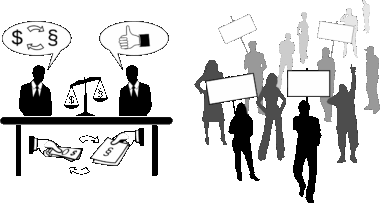

Building a Culture of Integrity to Fight Corruption
In today’s global economy, establishing a strong culture of integrity is vital for organizations striving to combat bribery and corruption. This culture begins with a commitment to ethical standards, which must be consistently maintained across all levels of the organization. To embed integrity into a corporate culture, leaders should model ethical behavior and communicate the importance of honesty to their teams. Companies need to invest in comprehensive training programs that educate employees about the risks associated with corrupt practices. Clear guidelines should be developed to illustrate acceptable conduct and the consequences of failing to adhere to them. Encouraging open discussions about ethical dilemmas can also help foster an environment where employees feel safe reporting unethical behavior without fear of retaliation. An anonymous whistleblower system may be an effective way to protect those who expose wrongdoing. Continuous evaluation of ethical performance can keep the issue of integrity at the forefront of the corporate agenda. Ultimately, a proactive approach to integrity can enhance organizational reputation, improve employee morale, and promote loyalty among stakeholders.
Recognizing that bribery and corruption take many forms is essential for building an effective strategy to combat these issues. Organizations must address both direct forms of bribery, such as facilitating payments, and subtler forms, like favoritism or conflicts of interest. To combat corruption effectively, it is crucial to understand its root causes. Factors like lack of transparency, inadequate oversight, and organizational pressure often contribute to unethical behavior. Businesses must ensure that there are clear policies and procedures in place that explicitly address how to handle gifts or donations, political contributions, and other transactions that may pose a risk of encountering corrupt practices. Regular audits and assessments of these policies can help identify potential vulnerabilities within the organization. Engaging external auditors can offer impartial reviews and recommendations that can enhance compliance measures. It is equally important to foster a sense of accountability within the organization. Employees should understand their roles in maintaining ethical standards and be encouraged to share ideas or solutions to advance the company’s integrity efforts. By focusing on these aspects, companies can effectively reduce their vulnerability to bribery and corruption.
The Role of Leadership in Promoting Integrity
Leadership plays a pivotal role in shaping the ethical culture of an organization. Executives and managers must actively promote integrity and lead by example. When leaders are transparent and uphold ethical values, they inspire trust and confidence among employees. This inspires employees to emulate this behavior and take ownership of their ethical responsibilities. To genuinely promote a culture of integrity, leadership should invest time in communicating the organization’s values and incorporating them into the everyday business operations. They should make integrity a key performance indicator, holding employees accountable for their actions related to ethical compliance. Regularly engaging employees in dialogues about ethical challenges encourages a sense of collective responsibility, making everyone a stakeholder in safeguarding the company’s integrity. Recognizing and rewarding ethical behavior is also crucial. This can be done through awards, acknowledgment in company meetings, or highlighting stories of integrity in internal communications. When employees see that ethical behavior is valued and rewarded, they are more likely to maintain high standards of integrity in their work. Leadership, therefore, is instrumental in nurturing an environment where integrity is at the core of corporate identity.
Another significant factor in combating bribery and corruption is ensuring that ethical values are deeply integrated into the hiring and onboarding process. Companies should clearly outline their commitment to integrity in job descriptions and during interviews. Assessing candidates’ ethical judgment should be part of the selection process. Employers could include scenario-based questions that assess how applicants would respond to ethical dilemmas. Additionally, referring to a candidate’s past experiences can provide insight into their values. Once hired, new employees should be thoroughly oriented on the organization’s ethics policies, emphasizing the significance of integrity. Implementing a mentoring program can assist new hires in navigating complex situations they may face. This approach not only instills a sense of ethical obligation but also builds a cohesive culture within the workplace. It is also beneficial to evaluate and refine these onboarding practices periodically. Gathering feedback from new hires can highlight areas for improvement and ensure that the approach evolves with the organization’s changing needs. Commitment to these initiatives instills a stronger ethical foundation among employees and aligns their professional behaviors with the company’s values.
Monitoring and Reporting Mechanisms
For organizations to remain vigilant against bribery and corruption, implementing robust monitoring and reporting mechanisms is imperative. These systems should be designed to detect and prevent unethical behavior proactively. Companies should develop regular internal audits to review compliance with ethical standards. Such audits can provide critical insights into areas where corruption may thrive and ensure that policies are being enforced effectively. Additionally, organizations must establish clear and accessible reporting mechanisms that empower employees to report suspicious activities. Employees should have various options for reporting, such as hotlines, online platforms, or face-to-face meetings with compliance officers. Anonymity should be assured, and reports must be taken seriously, with appropriate follow-up actions. Training employees on how to utilize these mechanisms encourages greater participation and emphasizes the importance of vigilance. Furthermore, organizations should take demonstrable action in response to reports of corruption. This includes investigating allegations thoroughly and transparently, which reinforces trust within the corporate culture. By prioritizing accountability, organizations can tread a path toward a culture rooted in integrity that reduces vulnerability to bribery and corruption.
Effective communication is critical to fostering a culture of integrity and combating bribery and corruption. Organizations should prioritize transparency in all interactions, internally and externally. Clear communication channels ensure that employees understand the ethical expectations and policies they are required to follow. Regular workshops, newsletters, or even digital resources can support ongoing education regarding the detrimental impacts of corruption. Furthermore, organizations should engage with external stakeholders, such as clients and suppliers, to promote shared ethical standards. By communicating their commitment to integrity, companies can foster collaborative efforts to combat attempts of bribery, thus leading to stronger partnerships based on mutual respect and ethical practice. Additionally, organizations should consider using technology to facilitate communication and ensure that ethics information is readily accessible. Online platforms can house ethical guidelines, FAQs, and up-to-date policy changes for easy reference. Utilizing social media to highlight ethical initiatives can also cultivate a wider community focused on integrity. The commitment to open communication demonstrates an organization’s dedication to transparency and ethical practice, thereby reinforcing its overall mission against bribery and corruption.
Conclusion and Future Directions
In conclusion, cultivating a culture of integrity requires a multifaceted approach involving various strategies and commitment at all organizational levels. It starts with leadership’s unwavering ethical commitment, followed by embedding integrity in every facet of the organization, from hiring practices to continuous training and clear communication. Ongoing evaluation and improvement of policies can help adapt to changing environments and emerging threats. Companies must recognize that fighting corruption is not merely about compliance; it is about fostering an ethical landscape where everyone is encouraged to act responsibly and transparently. The journey towards integrity is ongoing, demanding vigilance and proactive efforts. As organizations navigate this journey, they should be prepared to challenge the status quo and promote ethical behavior not just within their walls but also throughout their networks and supply chains. By doing so, businesses can not only combat bribery and corruption effectively but also enhance their reputation, process efficiency, and overall stakeholder trust. Organizations that prioritize building a strong culture of integrity will yield long-lasting benefits and contribute significantly to a fairer business environment.
This article emphasized the need for a steadfast commitment to integrity as a means of combating bribery and corruption. Combating these formidable challenges necessitates dedication from all organizational members. Together, organizations can create a culture rooted in ethical principles that empowers employees and promotes a positive impact on society. Successfully tackling corruption will require continuous engagement and innovation. By addressing ethical dilemmas openly and encouraging collaborative discussions, organizations can cultivate an atmosphere that motivates ethical decision-making and accountability. Fostering an open environment will not only enhance compliance but also keep integrity at the forefront of corporate agendas. As businesses evolve and diversify, maintaining this focus on integrity will enhance their resilience against corruption and contribute to sustainable growth. A comprehensive understanding of the causes of corruption is fundamental to prevent it effectively. Organizations need to be proactive, which means regularly evaluating and refining policies related to integrity. As stakeholders become more vigilant, businesses must embrace ethical practices wholeheartedly. The future of ethical business hinges on collective accountability, emphasizing that every stakeholder plays a crucial role in fighting against corruption and upholding corporate integrity.