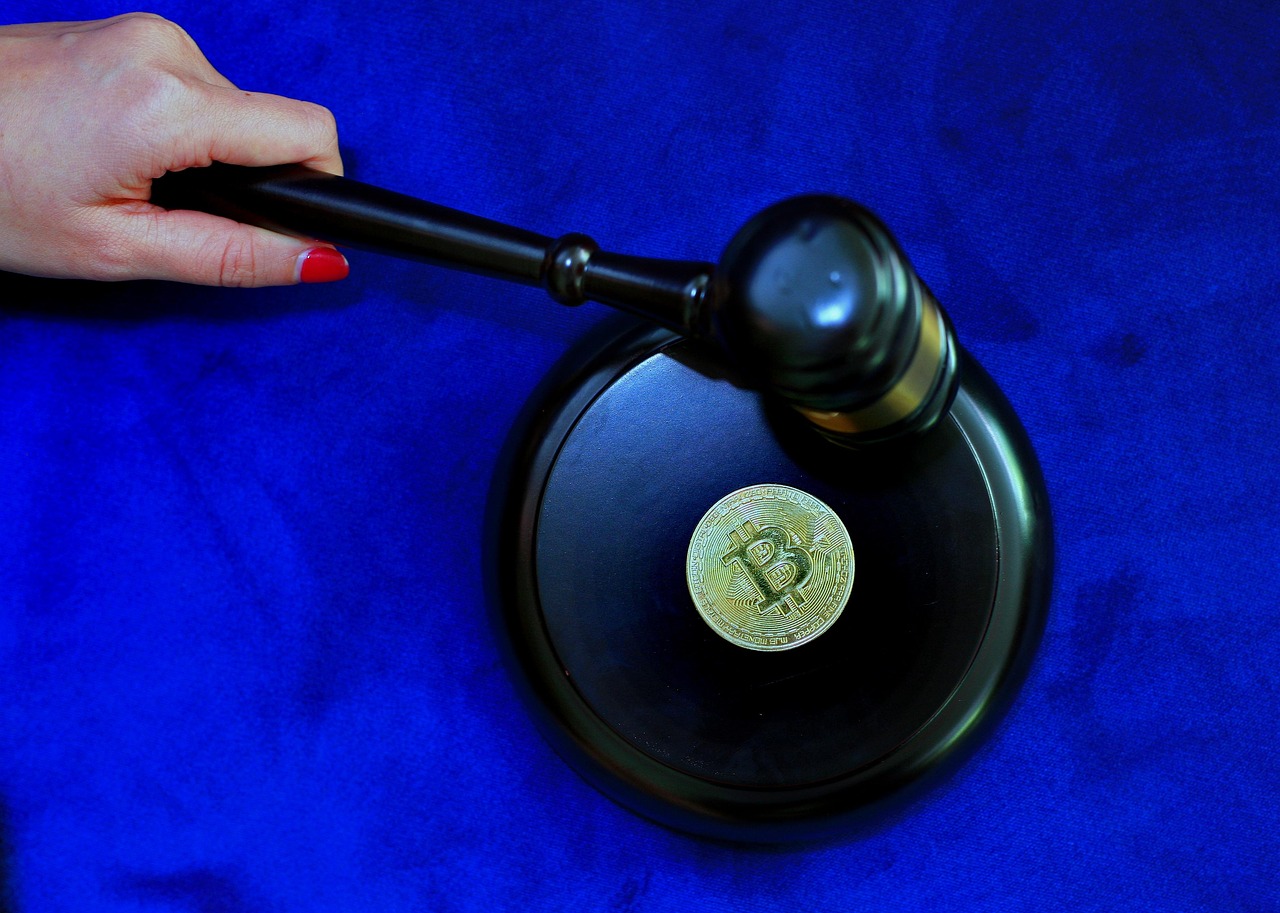

The Impact of Global Regulatory Frameworks on Cryptocurrency Markets
The rise of cryptocurrency has paved the way for novel economic paradigms, alongside a critical need for robust regulatory frameworks. A global perspective on regulation is essential, as cryptocurrencies transcend national boundaries. Jurisdictions worldwide are crafting their own sets of rules, which can create inconsistencies and confusion. In turn, these inconsistencies might spur the evolution of new standards within this burgeoning sector. Most investors look for well-regulated markets, which enhance their confidence and drive adoption. Regulatory actions can also impact the market significantly, leading to fluctuations in pricing. Thus, regulatory developments are keenly monitored by stakeholders within the ecosystem. Additionally, collaborative frameworks among nations might streamline operations and establish a sense of trust, enabling smoother transactions across borders. Innovations such as decentralized finance (DeFi) and non-fungible tokens (NFTs) are pushing the need for clear regulatory definitions. Consequently, regulators are now forced to adapt, focusing on consumer protection, market integrity, and anti-money laundering (AML) principles. However, finding a balance between innovation and regulation remains a challenge for many institutions across various regions, making it critical to analyze the ongoing developments closely.
The Role of Governments in Shaping Regulations
Governments play a pivotal role in shaping the landscape of cryptocurrency regulations, as their actions determine the trajectory of the market. Clear legal frameworks can encourage innovation while providing necessary safeguards for consumers. Differing regulatory approaches can lead to the establishment of crypto-friendly jurisdictions, where entrepreneurs choose to set up their operations. For instance, countries like Switzerland have been quite proactive in establishing a favorable regulatory environment, attracting countless blockchain companies. Conversely, nations with restrictive laws can stifle growth and drive projects to relocate, undermining local economic benefits. Governments must also collaborate internationally to address issues that cryptocurrencies pose, like tax evasion and money laundering. A unified effort is critical to maintaining the integrity of global markets. Furthermore, the implementation of know-your-customer (KYC) and AML regulations plays an essential part in promoting transparency. As governments assess taxation approaches concerning digital assets, stakeholders will adjust strategies accordingly. Clear guidelines can further legitimize and stabilize nascent markets. Thus, the overarching message is that government actions will continue to influence how cryptocurrencies evolve in the global arena.
The integration of exchanges and financial institutions into regulatory frameworks presents both opportunities and challenges. As cryptocurrencies gain traction, traditional financial players recognize the need to stay relevant, leading to a convergence of banking and crypto. This union allows easier access for retail investors while also creating new investment vehicles. Compliance with regulations often requires exchanges to adopt stringent KYC measures, ensuring that they align with existing financial standards. However, this compliance may be seen as antithetical to the spirit of decentralization that cryptocurrencies espouse. Striking a balance between regulation and crypto ideals is paramount to fostering growth without stifling innovation. Innovative solutions are emerging to address this challenge, such as decentralized exchanges (DEX) that aim to offer user autonomy without compromising compliance. The challenge is to maintain privacy while adhering to necessary regulations. Moreover, as institutional interest in cryptocurrencies continues to rise, the demand for regulatory clarity becomes pressing, ensuring that traditional finance can participate while managing risks appropriately. Ultimately, the symbiosis between traditional finance and cryptocurrencies is vital for paving the way toward a unified financial ecosystem.
International Cooperation on Cryptocurrency Regulations
The evolution of cryptocurrency necessitates international cooperation to standardize regulatory practices. As more nations recognize the impact of digital currencies on their economies, they are urged to collaborate to establish coherent policies. Harmonized regulations can reduce confusion and create a level playing field for crypto businesses globally. Inconsistencies can lead to regulatory arbitrage, where companies exploit the differences across jurisdictions, complicating compliance further. International organizations, such as the Financial Action Task Force (FATF), are actively working to create recommendations that promote consistency, especially regarding AML and KYC protocols. Countries adopting these standards can bolster their own reputations while maintaining market integrity. However, achieving consensus can be challenging due to differing perspectives on technology. Additionally, fostering dialogue among nations will be essential to address emerging threats, such as cybersecurity risks and fraud in cryptocurrency transactions. Establishing frameworks for knowledge-sharing and collaboration can enhance the ability of regulators to adapt swiftly to rapidly evolving technologies. As the cryptocurrency landscape becomes more complex, fostering cooperation will be crucial in ensuring a stable and secure environment for all stakeholders involved.
Consumer protection is a crucial aspect of cryptocurrency regulation, as market volatility poses risks for uninformed investors. Regulators are increasingly emphasizing the importance of safeguarding consumers, especially given the rise of scams and fraudulent schemes within the industry. By implementing education initiatives and requiring transparency from projects, regulatory bodies can help inform potential investors. Regulations that mandate clear communication about risks associated with investing in cryptocurrencies can deter deceptive practices. However, the challenge lies in balancing adequate protection without imposing excessive restrictions that could stifle innovation. Consumer education is key to building a more informed investor base, which can contribute positively to market stability. Regulators must also adopt a proactive stance in monitoring developments within the industry. Continuous dialogue with industry participants can yield valuable insights regarding emerging trends and potential risks. Engaging with the community can also help identify regulatory gaps that might leave consumers vulnerable. Ultimately, the goal of effective regulation is to create a safe environment that promotes consumer confidence, encouraging broader adoption of cryptocurrencies while fostering responsible growth of the market.
The Dynamic Nature of Regulation
The regulation surrounding cryptocurrency is rapidly evolving as the technology develops and matures. It is not a static framework, and regulators are continuously adapting policies to cope with changes. The inherent volatility of cryptocurrency markets makes responsive regulatory strategies even more important. Regulators worldwide are paying close attention to technological advancements, aiming to create regulations that facilitate innovation while promoting security. As new market participants emerge, regulations must accommodate diverse business models and practices. Additionally, regulators are exploring the application of existing financial laws to address new challenges posed by cryptocurrencies. The engagement of stakeholders plays an essential role in shaping these regulations, as collaboration between industry experts, policymakers, and consumers can lead to sounder decisions. It’s also critical to recognize that regulation can differ immensely based on the nature of the currency or technology being assessed. For instance, stablecoins may require distinct consideration due to their unique structure compared to traditional cryptocurrencies. Emphasizing flexibility within regulatory frameworks can enhance their effectiveness while ensuring the growth of this pioneering market.
In conclusion, the impact of global regulatory frameworks on cryptocurrency markets cannot be overstated. As the crypto landscape evolves, stakeholders must remain vigilant regarding the implications of regulations. International cooperation, government involvement, and consumer protection remain critical components as the sector matures. Innovations in blockchain technology continue to challenge traditional regulatory paradigms, urging regulators to adapt swiftly. The balance between fostering an environment that promotes innovation while ensuring adequate protections for investors is an ongoing struggle for governments and regulatory bodies alike. The outcome of these efforts will shape the future of cryptocurrencies significantly. Stakeholders can build a foundation for a sustainable, thriving ecosystem by embracing open dialogue and collaboration. As regulatory clarity emerges, consumers will feel more confident engaging with digital assets, ultimately facilitating broader adoption. Nevertheless, continued vigilance will be necessary to navigate the evolving nature of regulations and market dynamics. In this fast-paced ecosystem, research and adaptation are vital for anyone involved. As we look ahead, the world of cryptocurrencies will only grow more intriguing, underpinned by the regulatory frameworks that define its trajectory.