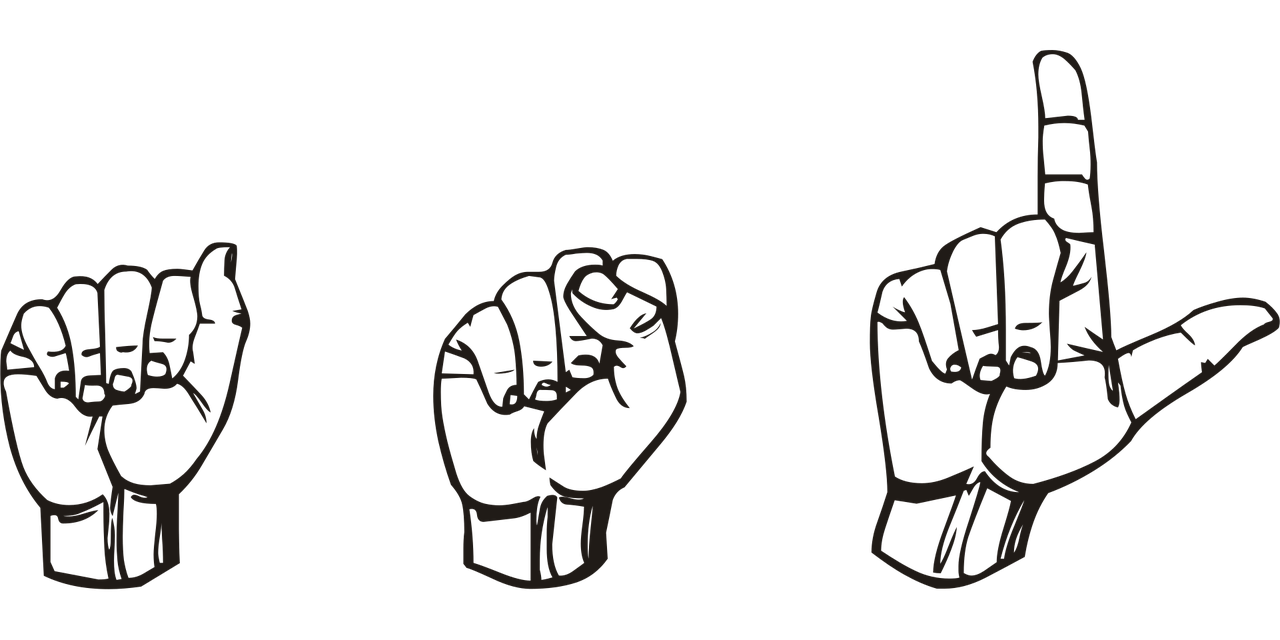

Mastering Hand Gestures to Enhance Business Presentations
Nonverbal communication plays a critical role in how messages are conveyed in business settings. Among different nonverbal cues, hand gestures are some of the most influential tools in a speaker’s arsenal. They can help emphasize points, convey enthusiasm, and enhance audience engagement during presentations. Understanding the significance of hand gestures allows professionals to express themselves more effectively, making their presentations memorable. Moreover, these gestures can enhance the clarity of the information presented. When speakers use hand movements thoughtfully, they provide visual cues that complement their spoken words. Just as with verbal communication, the context is essential when employing gestures. Therefore, a thorough understanding of cultural nuances and audience expectations is crucial for successful communication. A well-timed gesture can trigger an emotional response or spark interest in the topic discussed. This article aims to explore various hand gestures that can enhance business presentations and how to incorporate them naturally into your public speaking toolkit. By mastering these techniques, you can elevate your communication skills and ensure a dynamic connection with your audience.
Hand gestures can be broadly categorized based on their purposes and meanings. These include gestures for emphasis, presentation, and emotional communication. For instance, an open palm can indicate honesty and openness, while pointing can be perceived as authoritative. Regardless of the type, speakers should strive to ensure that their gestures unify rather than confuse their presentations. Utilizing gestures that mirror the verbal message can reinforce the information shared. Importantly, tempo and frequency of gestures matter significantly; too many may overwhelm, while too few can weaken the message. Observing skilled communicators can provide practical insights into ideal gesture usage. For example, noted public speakers often utilize hand gestures strategically with their pacing and tone. They seamlessly integrate nonverbal communication to enhance content delivery. Practicing gestures in front of a mirror offers an excellent way to refine your technique before an important presentation. Moreover, recording your rehearsals can provide valuable feedback and allow adjustments as necessary. By understanding and modifying your nonverbal behavior, you enhance the clarity, retention, and impact of your message.
Types of Effective Hand Gestures
There are various types of hand gestures that can significantly improve the effectiveness of your business presentations. Firstly, illustrative gestures help clarify concepts and ideas. They allow the speaker to depict concepts visually, aiding audience understanding. For example, using a cube shape with your hands when discussing a product can solidify the idea in the audience’s mind. Secondly, emphasizing gestures draw attention to critical points. Think of gestures like raising a finger to signify an important point or drawing attention to statistics displayed in your presentation. Thirdly, expressive gestures convey emotions, enthusiasm, and confidence. Open arms create a welcoming environment, whereas a clenched fist might convey determination. Therefore, it’s essential to align your gestures with the message you intend to communicate. Additionally, gestures should be consistent with your facial expressions and overall body language. Inconsistencies can lead to mixed messages, confusing your audience. As a result, consistent, well-timed, and context-appropriate gestures will profoundly affect how your message is perceived. So, become conscious of these elements when preparing your presentations.
Another aspect to consider is adjusting your gestures based on audience composition. Different cultures interpret nonverbal signals differently; what may seem friendly in one culture can appear aggressive in another. Thus, researching your audience’s cultural background enables you to adapt hand gestures accordingly. For instance, in some cultures, nodding might indicate understanding, while in others, it may suggest agreement. Furthermore, body language, including hand gestures, should align with the verbal message to avoid confusion. A discrepancy can undermine credibility and cause doubt among listeners. Moreover, different contexts require different gestures; business meetings may call for more polished and controlled gestures, while creative pitches could allow for more expressive movements. Practicing flexibility in gesture usage adjusts your communication style to suit diverse environments. Employing gestures fitting the formality and mood of the presentation resonates well with your audience. Furthermore, the environment, such as large rooms or virtual presentations, may influence how your gestures are perceived, which is crucial to consider in planning.
Integrating Gestures into Your Presentation
Effective integration of hand gestures into your presentation requires mindful practice. Start using gestures intentionally while developing your presentation content. Identify key points where a visual element could enhance explanation and resonate with the audience. Preparation is key to achieving seamless integration, allowing gestures to feel natural. Therefore, rehearsal becomes an essential component of mastering this skill. Before your actual presentation, practice in front of peers or record yourself. Assess which gestures worked and appeared spontaneous, as well as which ones felt forced. Video can reveal inconsistencies and help refine your technique. It is also vital to maintain a relaxed demeanor while using gestures; tension can hinder fluidity and make gestures feel exaggerated. Furthermore, considering how gestures can synchronize with your speaking rhythm will help enhance overall coherence. Ensure that your gestures align with the content flow, enhancing the listener’s comprehension and retention of information shared. By integrating this skill into your public speaking, you create memorable experiences for your audience, leaving a lasting impression.
Finally, it’s invaluable to receive feedback from trusted sources after your presentation. Observational feedback can elucidate areas for improvement, potentially highlighting gestures that worked well or those that fell flat. Engaging with your audience frequently and observing their body language during your presentations is equally beneficial. A positive response can affirm your gesture choices, while a lack of audience engagement could signal a disconnect. Additionally, seeking out resources like courses or workshops focused on nonverbal communication can provide practical techniques to develop expertise in using hand gestures effectively. Continuous learning and adapting will enhance your overall presentation skills fundamentally. Over time, you will find that certain gestures may feel more comfortable and natural than others. Additionally, staying attuned to ongoing trends in effective business communication will help remain relevant. Constant evolution as a presenter ensures that your message consistently resonates with varying audiences. Hand gestures can enhance your connections, leaving a favorable impression in the competitive business environment. Hence, invest time and effort into mastering the art of hand gestures.
Conclusion
In conclusion, mastering hand gestures is an essential aspect of effective business communication. Their potential to enhance presentations is significant, ensuring that messages are conveyed with greater clarity and impact. Throughout this article, we explored various types of gestures and their purposes, illustrating the importance of strategic use in a professional setting. By being mindful of gestures, you can express enthusiasm, reinforce key points, and foster a connection with your audience. Preparing, practicing, and adjusting to the audience’s needs will elevate your communication skills. The positive impact of adeptly integrated gestures can lead to more engaging presentations that resonate with listeners. Remember that gestures should feel natural and aligned with your overall message to avoid confusion. Embrace the diversity of presentation contexts and strive to adapt through continuous learning. Ultimately, your confidence in using hand gestures will contribute to your effectiveness as a speaker. It empowers you to leave a strong impression, making it more likely that your audience retains the information shared. With determination, you can master hand gestures, enhancing your overall public speaking prowess.