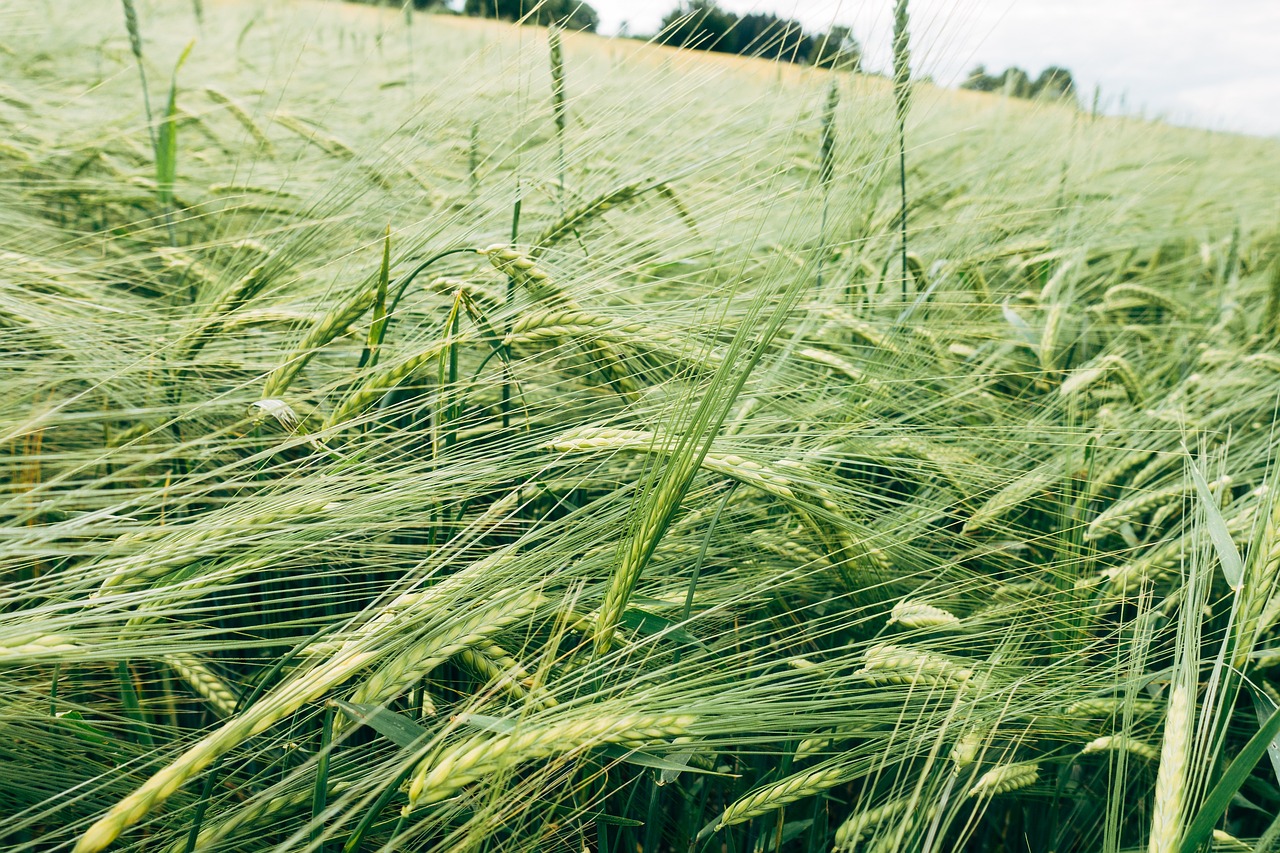

The Role of Government Subsidies in Agricultural Economics
Government subsidies play an essential role in agricultural economics, acting as a financial lifeline for farmers and enabling stability in food production. These subsidies can take various forms, including direct payments, price supports, or tax breaks, assisting farmers in managing fluctuating market conditions. Often, the primary purpose of these financial aids is to ensure food security and maintain sustainable agricultural practices. For instance, during periods of drought or other natural disasters, subsidies can provide farmers with the needed relief to sustain their livelihoods. Moreover, they encourage the adoption of new technologies and environmentally friendly farming practices. Governments also use subsidies to support the development of rural areas, ensuring that small-scale farmers can compete against larger agricultural enterprises. This competitive balance fosters diversity in agricultural production and income amongst farmers, enhancing rural economies. Overall, government subsidies are a strategic tool in agricultural policy, aiming to create a more resilient agriculture sector, address poverty, and improve economic development on a grassroots level while ensuring food security for all citizens.
The discussion surrounding the impact of government subsidies on agricultural production is multifaceted. On one hand, subsidies are intended to enhance productivity and efficiency. However, critics argue that these financial supports can lead to market distortions where certain crops are favored over others. This favoritism can have environmental consequences as land is often utilized for high-subsidy crops at the expense of biodiversity. Additionally, the concentration of subsidies in wealthier farming sectors may exacerbate inequalities, leading to increased dependency on government support. Farmers who receive substantial subsidies may lose motivation to innovate or diversify their production. Furthermore, such dependence can delay necessary agricultural reforms that promote sustainability and resilience. Another significant concern involves the long-term fiscal implications of subsidies, as government budgets must be effectively managed to avoid overspending. There is also a risk that global trade relationships can be affected, potentially leading to disputes over unfair agricultural competition. In summary, while subsidies are intended to support farmers, it is crucial to balance their implementation with an awareness of the broader economic and environmental impacts they may provoke.
Types of Government Subsidies
In agricultural economics, there are several types of government subsidies aimed at supporting farmers and the overall agricultural sector. These include direct payments, which are monetary aids given directly to farmers based on their production levels or acreage. Another common type is price supports, which help maintain a minimum price for certain crops, ensuring that farmers can sustain their operations even in the face of fluctuating market prices. Additionally, loan programs offer farmers financial assistance that can be repaid over time, allowing them to invest in their operations when cash flow may be low. Crop insurance subsidies provide a safety net for farmers by protecting them against loss from unforeseen circumstances such as natural disasters or pest infestations. Furthermore, research and development grants enable farmers to access innovative agricultural practices and technologies to improve efficiency and sustainability. Finally, conservation payments support environmentally friendly farming practices, encouraging farmers to adopt methods that preserve natural resources. Each type of subsidy plays a distinct role in ensuring a stable and sustainable agricultural sector.
One of the most pressing questions related to government subsidies in agricultural economics is how they influence crop selection and diversification. Often, farmers may prioritize subsidized crops over others, leading to a monoculture approach that can reduce biodiversity. For instance, if the government offers extensive subsidies for corn and soybeans, farmers may allocate significant resources to these crops rather than experimenting with alternative or complementary crops. This trend can have ecological consequences, as a lack of crop diversity increases vulnerability to pests, diseases, and climatic changes. Additionally, market pressures driven by commodity subsidies can create cyclical patterns of overproduction, driving down prices and squeezing farmer profit margins. This creates a challenging situation where farmers become reliant on subsidies rather than developing adaptive agricultural strategies. Furthermore, consumers may also suffer due to a diminished variety of products available in the marketplace. Hence, it is vital for policymakers to implement subsidy programs that encourage crop diversification while considering long-term sustainability and environmental impacts.
Debate Over Subsidy Effectiveness
The effectiveness of government subsidies in achieving desired outcomes in agricultural economics is a topic of significant debate. Proponents argue that subsidies are vital for ensuring food security and stabilizing farmer income during uncertain economic periods. By providing financial support, these policymakers enable farmers to invest in better technologies and practices that ultimately lead to enhanced production outputs. Critics, conversely, point out that subsidies may foster inefficiencies by discouraging innovation and perpetuating dependence on government assistance. This debate might further intensify regarding how subsidies are distributed, often favoring larger agricultural enterprises over small-scale farmers. Additionally, there are concerns regarding the environmental implications of subsidized agricultural practices. For example, intensive farming prompted by subsidies can lead to soil degradation, water depletion, and loss of wildlife habitats. As such, it is essential for governments to reevaluate subsidy programs regularly to ensure that they are aligned with broader agricultural objectives. A more holistic approach, considering social, economic, and environmental impacts, could drive agricultural policies towards more sustainable outcomes, benefiting farmers, consumers, and ecosystems.
Another pivotal role of government subsidies in agricultural economics relates to promoting rural development. By supporting farmers through financial assistance, policymakers stimulate local economies, creating employment opportunities and enhancing rural livelihoods. A vibrant agricultural sector can lead to improved infrastructure, educational programs, and healthcare services within rural communities. However, if subsidies are overly focused on specific crops or larger agricultural enterprises, smaller farms may struggle to compete. This raises concerns about rural depopulation, where young individuals migrate to urban areas in search of better opportunities. To combat this trend, targeted subsidy programs aimed explicitly at smallholder farmers can help maintain population levels in rural areas while fostering agricultural diversity. Furthermore, investments in cooperative farming can enable small-scale farmers to share resources and access training, enhancing overall productivity and sustainability. Such collaborative efforts not only improve individual farm operations but also encourage collective community growth and development. Thus, the way subsidies are designed and implemented can significantly affect rural growth trajectories and long-term agricultural sustainability potential.
Future of Agricultural Subsidies
Looking ahead, the future of agricultural subsidies in economic policies will likely be influenced by emerging trends and challenges in the global agricultural landscape. Climate change, increasing demand for sustainably produced food, and technological advancements necessitate reassessment of traditional subsidy frameworks. Policymakers may need to shift focus toward conservation practices and climate resilience as they craft subsidy programs that address environmental sustainability alongside agricultural productivity. Moreover, there is growing pressure to ensure that subsidies are used to foster innovation rather than merely subsidizing commodity production. Investments in research and development can help farmers adapt to changing climate conditions while promoting diverse and sustainable farming methods. Additionally, as consumers become more conscious of food origins and environmental impacts, governments may incorporate preferences for sustainably sourced food products into subsidy frameworks. This shift will require collaboration between various stakeholders, including farmers, consumers, and environmental advocates, to construct equitable and effective subsidy programs that reflect global challenges. Ultimately, the role of government subsidies in agricultural economics remains crucial but must evolve to meet the needs of future agricultural landscapes.
In conclusion, government subsidies represent a critical aspect of agricultural economics, influencing everything from production levels to environmental impacts and rural development. Balancing the need for financial support with the importance of sustainable practices remains an ongoing challenge for policymakers. While subsidies can provide immediate assistance to farmers, their long-term efficacy in promoting resilience and innovation is subject to scrutiny. Ensuring that these policies foster agricultural diversity without compromising ecological integrity is vital for sustainable agricultural systems. The future of agricultural subsidies must also adapt to emerging trends such as climate change and consumer preferences for environmentally responsible food sources. Engaging with diverse stakeholders, integrating sustainability, and encouraging innovation are essential aspects of developing effective subsidy frameworks. As the agricultural landscape continues to evolve, striking a balance between economic support, environmental stewardship, and social responsibility will be more critical than ever. By prioritizing these objectives, governments can unleash the full potential of agricultural subsidies as transformative tools for a resilient and sustainable agricultural sector, benefiting producers, consumers, and the environment alike.