
The Psychology Behind Technical Analysis Signals
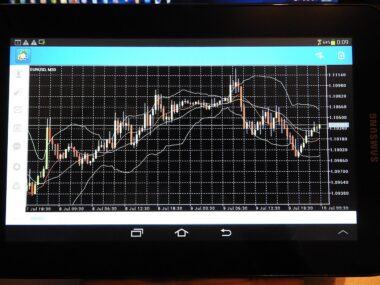
Understanding the psychology behind technical analysis signals is essential for traders and investors alike. Market participants often react to price movements driven by emotions such as fear and greed. This is reflected in the patterns and signals that technical analysis provides. Each signal represents a common psychological reaction to changing market conditions, revealing the crowd’s sentiment. For example, a bullish signal often arises when a majority of traders feel optimistic about an asset’s price and are eager to participate. Conversely, a bearish signal might emerge during periods of market uncertainty or pessimism. Traders can utilize these signals to gauge the prevailing psychology, thus making more informed decisions. Recognizing these emotions helps in predicting potential reversals or continuations in price trends. Additionally, understanding market psychology aids traders in managing their own emotions effectively. By analyzing trends and patterns, investors can develop a more disciplined approach to their trading strategies. This strategic mindset helps mitigate emotional responses that could lead to impulsive decisions. The ultimate goal is to leverage insights from technical analysis to navigate the complexities of financial markets effectively.
The Role of Market Sentiment
Market sentiment plays a crucial role in the success of technical analysis. The collective feelings and expectations of traders influence price movements significantly. Understanding how sentiment shifts leads to better timing for entry and exit points. For instance, during a bull market, prevailing optimism creates a series of higher highs and higher lows in price charts. This bullish sentiment generates buy signals that traders often rush to act upon, reinforcing the upward trend. Conversely, in a bear market, feelings of anxiety and concern can lead to panic selling. Reversal signals such as double tops and head-and-shoulders patterns often appear as sentiment begins to shift. Recognizing these patterns helps traders discern when a trend may be waning. Furthermore, sentiment indicators can provide valuable insights. Tools like the Fear & Greed Index measure overall market sentiment and help investors gauge whether the market is overbought or oversold. By combining this information with technical signals, traders can formulate comprehensive strategies. This synergy between sentiment and technical analysis ultimately aids in making well-rounded decisions, enhancing their chances of success.
The relationship between key psychological levels and technical signals is significant. Traders often react strongly to certain price points known as support and resistance. These levels form the basis of many technical analysis strategies and are founded on collective market psychology. When an asset approaches a support level, buyers usually enter the market, driven by the belief that prices will rebound. Conversely, resistance levels act as psychological barriers where sellers are more likely to emerge, fueled by the fear of losing potential gains. Breakouts and breakdowns of these levels signal shifts in market sentiment. For example, a breakout above resistance suggests strong buying interest and rising confidence, often resulting in a bullish trend. On the other hand, a breakdown below support signals discouraged buyers, suggesting fear among market participants. Recognizing these critical points allows traders to position themselves accordingly, accommodating both psychological factors and technical confirmations. Additionally, understanding volume spikes during these events offers further confirmation of the sentiment-based analysis. This holistic approach of combining psychology with technical indicators provides traders with a strategic edge in navigating the complexities of financial markets.
The Impact of Herd Behavior
Herd behavior significantly influences technical analysis and market trends. Traders often follow the crowd, leading to collective buying or selling that can cause rapid price fluctuations. This phenomenon occurs due to the psychological need to conform, especially in moments of uncertainty. When traders see others acting on certain signals, they tend to react similarly, resulting in a herd mentality. This behavior creates self-fulfilling prophecies, where technical signals become even more powerful as more participants join in. For instance, when a bullish pattern is widely recognized, increased buying can drive the price higher, confirming the initial pattern. Conversely, bearish patterns can trigger mass selling if traders feel compelled to act on downward momentum. Understanding herd behavior helps traders identify potential bubbles or market corrections. By analyzing the factors driving these collective actions, they can anticipate when to enter or exit trades. Furthermore, being aware of emotional triggers that lead to herd behavior allows for better decision-making. This insight is vital for developing strategies that capitalize on market psychology while maintaining discipline and composure.
Technical analysis is also impacted by cognitive biases that can cloud judgment. One common bias is confirmation bias, where traders only seek information that supports their existing beliefs or trades. This selective attention can skew their analysis, resulting in missed opportunities or ill-timed decisions. For instance, a trader convinced of a bullish trend might disregard bearish signals entirely, leading to significant potential losses. On the other hand, overconfidence is another cognitive bias that can result in reckless decisions. Traders confident in their analysis often take larger risks, ignoring the underlying psychological factors that could influence market movements. Acknowledging these biases allows traders to adopt a more balanced view of the markets. Furthermore, incorporating analytical tools and methods can mitigate the influence of cognitive distortions. For example, maintaining a trading journal helps reflect on past decisions, enabling the recognition of patterns in behavior and underlying beliefs. By addressing these cognitive biases, traders can foster a more objective mindset. This clarity proves vital in navigating the turbulent waters of financial markets, enhancing decision-making and overall performance.
Strategies for Overcoming Psychological Barriers
Overcoming psychological barriers is essential for successful trading in financial markets. Developing emotional intelligence helps traders manage their responses to market movements more effectively. Techniques such as mindfulness and visualization can foster a calmer mindset during periods of market volatility. A disciplined approach to trading is crucial, as emotions can lead to impulsive actions that deviate from established strategies. Setting clear goals and adhering to a well-structured trading plan can minimize emotional decision-making. Additionally, employing risk management strategies boosts confidence by limiting potential losses. For instance, using stop-loss orders helps safeguard against significant downturns, reassuring traders during uncertain times. Continuous education and self-reflection also play a vital role in overcoming psychological barriers. Staying informed about market trends and behavioral finance principles helps traders develop a deeper understanding of their emotions. Regularly assessing one’s trading history allows for recognizing patterns of emotional responses and areas for improvement. Connecting with trading communities fosters supportive environments, enhancing motivation and accountability. By combining these strategies, traders can enhance their resilience against psychological challenges that arise in fast-paced financial markets.
In conclusion, the psychology behind technical analysis signals is fundamental to trading success. Understanding how emotions affect market participants empowers traders to make better-informed decisions. By recognizing the influence of market sentiment, key psychological levels, and cognitive biases, traders can develop strategies to navigate complex environments. Furthermore, acknowledging herd behavior highlights the importance of being aware of collective trends and their impacts on price movements. Employing techniques for overcoming psychological barriers reinforces resilience and discipline in trading. Ultimately, the intersection of psychology and technical analysis creates a well-rounded approach to investing. Traders who can effectively interpret signals while maintaining emotional awareness are more likely to achieve sustainable success in volatile financial markets. This holistic perspective not only enhances performance but also contributes to a healthier trading mindset. As traders continue to refine their skills, the continued exploration of psychology in trading will become increasingly vital and beneficial. With the right tools and insights, traders can harness the power of psychology to enhance their technical analysis abilities.