
The Role of Shadow Banking in Modern Economics
Shadow banking refers to entities and activities that operate outside traditional banking regulations, providing similar financial services. This form of banking includes investment funds, hedge funds, and other financial institutions that engage in credit intermediation. Though shadow banks are not considered banks, they play a significant role in the economy, especially during times of financial distress. Their ability to operate without regulation often results in higher risks for financial stability. Investors seeking returns are attracted to shadow banking, as it typically offers products that yield higher profits than traditional bank offerings. However, the lack of oversight also raises concerns, particularly regarding consumer protection and the potential for systemic risks in the financial system. Policymakers have debated how to monitor shadow banking activities without stifling innovation. Increased scrutiny aims to prevent market disruptions while ensuring that these entities can continue to provide vital financial services to borrowers. Understanding the role shadow banking plays in modern economics is crucial. For many, it serves as a lifeline for funding, while for others, it represents an unchecked area of risk that could destabilize the broader financial landscape.
Furthermore, the interconnection between shadow banking and traditional banks is a focal point of concern. Shadow banks often engage with commercial banks in complex transactions including repurchase agreements and asset-backed securities. These connections create channels for risk transmission between sectors, making it challenging to identify sources of systemic risk. During a financial crisis, the potential for contagion increases significantly. Financial institutions become vulnerable, which can lead to a wider economic collapse. Understanding how these two sectors intertwine is essential for building resilient financial systems. Efforts to improve transparency, such as better reporting requirements for shadow banking entities, have been discussed to mitigate potential issues. Greater visibility into the activities of shadow banks can enable regulators to assess risks more effectively. Moreover, initiatives to enhance capital standards may also help to minimize vulnerabilities linked to shadow banking. By implementing these measures, regulators aim to balance the benefits of shadow banking with the need for a stable financial environment. A thorough analysis of these frameworks is necessary to ensure that the economic benefits do not come at the expense of financial security.
Impacts of Shadow Banking on Credit Availability
Shadow banking significantly impacts credit availability in both growth and recession periods. When traditional banks tighten their lending standards due to economic uncertainty, shadow banks often fill this gap. They provide financing to borrowers who may have difficulty obtaining loans from conventional banks, thereby keeping credit flowing within the economy. This continued access to credit can help stimulate economic growth by supporting businesses and consumers who require funds. However, this reliance on shadow banks can also lead to potential over-leverage, as borrowers may acquire more credit than they can afford. In a booming economy, the expansion of shadow banking may contribute to asset bubbles, as more participants enter the market seeking high-yield investments. Conversely, during downturns, the sudden withdrawal of shadow banking resources can exacerbate financial distress, leading to a credit crunch. Additionally, the lack of regulation raises concerns about the sustainability of this credit provision. Financial authorities must assess ways to balance the benefits and risks associated with shadow banking to protect broader economic interests without stifling innovation or investment.
Moreover, shadow banking often impacts interest rates and overall market dynamics. Because shadow banks do not have the same reserve requirements as traditional banks, they can offer competitive rates, which leads to increased lending activity. This heightened competition may drive down borrowing costs, benefiting consumers and businesses alike. Nevertheless, the proliferation of shadow banking can also create distortions in the financial market that may misprice risks. Increased lending activity without adequate checks can result in the buildup of unsustainable debt levels. Investors, drawn by the allure of higher returns, might overlook critical risks associated with inadequately vetted loans. To maintain healthy markets, regulators need to closely monitor these lending practices. They must ensure that adequate risk management practices are in place, particularly among institutions that compete with traditional banks. Ensuring a proper balance between fostering competition and maintaining market stability is paramount. It is essential for economic growth to continue without compromising the soundness of the financial system. Analysts and policymakers must work together to engage with these concerns while fostering a healthy economic environment.
Risks Associated with Shadow Banking Structures
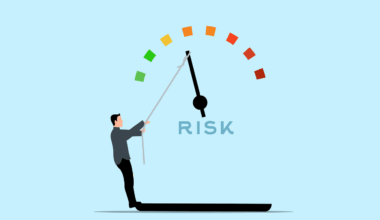
Despite its advantages, shadow banking carries inherent risks that can threaten financial stability. One major risk stems from the lack of regulatory oversight, which allows shadow banks to engage in high-risk transactions without sufficient scrutiny. This creates an environment ripe for financial malpractice, often leading to scenarios that threaten entire financial systems. Because many shadow banking entities lack the same capital requirements and liquidity provisions as traditional banks, they can become financially opaque, complicating risk assessment processes. During economic downturns, this opacity can exacerbate panic and lead to rapid withdrawals of capital. Furthermore, the interconnectedness of shadow banking with traditional financial institutions can intensify the repercussions of any default among shadow banks. A host of potential issues—including liquidity crises or insolvency—can arise, making it imperative for regulatory bodies to establish frameworks that manage these risks. Initiatives designed to monitor and rein in risky behaviors within shadow banking sectors should be prioritized. Implementing legislation that enhances transparency and management of these structures is necessary to mitigate risks associated with financial contagion and systemic crises.
In conclusion, shadow banking presents a dual-sided perspective within the realm of modern economics, offering both opportunities and challenges. By providing increased access to credit, shadow banks play a significant role in fostering economic growth, particularly during periods when traditional banks become risk-averse. However, the lack of oversight raises critical concerns about the stability and sustainability of financial systems. The intricate relationships formed between shadow banks and traditional financial institutions require constant vigilance and regulation to prevent adverse outcomes. It is essential for policymakers to design regulatory frameworks that address the specific challenges faced by shadow banks while encouraging their beneficial contributions to economic growth. A nuanced approach is necessary—one that fosters innovation while safeguarding against systemic risk. As the landscape of finance continues to evolve, understanding the implications of shadow banking becomes increasingly important for maintaining a balanced, resilient economy. Efforts towards implementing robust regulatory measures can help mitigate the associated risks and enhance the contributions of shadow banking to the global economic framework. By engaging with these themes, we can better navigate the complexities of modern financial systems.
Ultimately, the success of shadow banking in contributing to overall economic well-being will depend on effective governance and monitoring. The delicate balance between innovation and regulation must be maintained to ensure that this system does not exacerbate underlying vulnerabilities in the financial ecosystem. Heightened awareness regarding the scope and impact of shadow banking can aid stakeholders in making informed decisions. By prioritizing stability, transparency, and accountability, the potential risks associated with shadow banking can be managed effectively. Future research and dialogue among economists and financial experts will play a vital role in shaping policies that address these complex issues. Communicating the importance of this sector’s regulations to the public is essential for fostering broader understanding and support. As we navigate the ever-changing economic landscape, policymakers and regulators should remain adaptive to the evolving nature of shadow banking. Collaborative efforts among stakeholders can lead to a more robust financial system that embraces both innovation and responsibility, striking a balance that fosters long-term economic growth.