
Reputational Risk Challenges in Global Business Operations
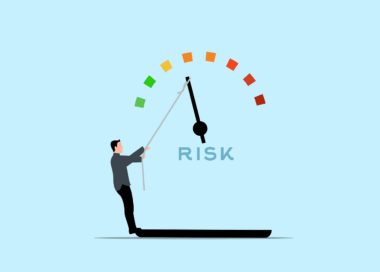
Reputational risk management has become a critical focus for organizations engaged in global business due to the interconnectedness of markets and technology today. Companies can face significant threats from various sources, including social media, public perception, and geopolitical developments. Moreover, various stakeholders, including customers, investors, and regulatory bodies, are paying close attention to corporate behavior. In this dynamic environment, organizations must adopt proactive strategies to manage risks effectively. Failure to address reputational risks can lead to severe consequences such as loss of market share, diminished investor confidence, and severe financial repercussions. To navigate this landscape, companies should develop comprehensive frameworks that not only identify potential risks but also incorporate strategies for mitigation. This includes building strong communication channels, engaging with various stakeholders, and maintaining transparency during crises. Additionally, organizations must invest in monitoring tools that provide insights into public sentiment and external perceptions to stay ahead of potential threats. Recognizing the importance of culture and ethical behavior within the organization can also serve as a foundational pillar for protecting reputation. Ultimately, addressing reputational risks in global business operations is vital for long-term sustainability.
Global companies face numerous challenges in managing reputational risks, with cultural differences being one of the main obstacles. When expanding into new regions, organizations often encounter varying cultural norms, values, and expectations that shape public perception. Understanding these differences is crucial to avoid missteps that may negatively impact their reputation. For example, a marketing campaign that resonates well in one country may be perceived as offensive in another. Therefore, companies must invest time and resources to conduct thorough cultural assessments and adapt their strategies accordingly. Additionally, organizations should engage local stakeholders to gain insights into community values and preferences. This engagement can help tailor messaging and actions that align with local expectations. Furthermore, companies should establish a diverse team proficient in global markets to navigate these complexities. A representative workforce can offer valuable perspectives and enhance the capability to respond to reputation-related issues effectively. The importance of cultural sensitivity cannot be overstated, as it allows businesses to build trust and credibility in new markets. As companies continue to globalize, embracing cultural ties and fostering local relationships will be essential for mitigating reputational risks.
Another significant challenge in reputational risk management is the speed of information dissemination in today’s digital age. The rise of social media and instant communication platforms means that both positive and negative news can reach a global audience almost instantaneously. A single negative tweet or post can quickly escalate, causing immense reputational damage before a company has a chance to respond. Organizations must be prepared to act swiftly to address any issues that may arise but also ensure that they maintain transparency throughout their communications. In doing so, they need to develop robust crisis communication plans that include clear protocols for managing social media engagement during a crisis. These plans should outline the roles and responsibilities of team members and detail the messaging strategies to be used in responding to various scenarios. Additionally, it is crucial to have a dedicated team that monitors online conversations about the brand continuously. Companies can also benefit from investing in training programs focused on crisis management for their employees, equipping them to handle reputation-related challenges effectively.
Regulatory Compliance and Reputational Risk
Regulatory compliance presents another layer of complexity in reputational risk management, as organizations must navigate a web of laws and regulations that vary across different jurisdictions. Non-compliance can not only lead to hefty fines but also the loss of credibility and trust among stakeholders. Companies operating on a global scale must stay informed of the changing regulatory landscape and assess their compliance procedures regularly. This proactive approach involves conducting thorough audits and implementing robust compliance programs. In addition, companies should offer employees ongoing training related to regulatory requirements and ethical conduct. Organizations can also enhance their reputational resilience by fostering a culture of accountability, where ethical behavior is emphasized and rewarded. Furthermore, establishing good relationships with regulatory authorities can help companies stay ahead of potential compliance issues and demonstrate a commitment to ethical standards. In this way, organizations can mitigate the risk of reputational damage while also promoting a positive organizational image.
The rise of corporate social responsibility (CSR) has brought attention to how businesses must navigate reputational risks associated with their impact on society and the environment. More consumers are now demanding accountability from companies regarding their social and environmental practices. As a result, businesses must prioritize CSR initiatives and demonstrate their commitment to responsible practices. This includes seeking ways to minimize environmental impact, support local communities, and engage in ethical sourcing. By implementing effective CSR strategies, organizations can enhance their reputation and build goodwill among consumers, investors, and other stakeholders. For instance, companies that actively participate in community development projects often see a positive impact on their overall reputation. Furthermore, organizations should be transparent about their CSR efforts and report on progress regularly. It is essential to cultivate authentic relationships with stakeholders, demonstrating genuine commitment to these initiatives rather than viewing them as mere PR tactics. By effectively integrating CSR into their core business strategies, companies can not only manage reputational risks but also contribute positively to society, which can enhance their long-term success.
The Role of Effective Communication
Effective communication is vital for managing reputational risks effectively in global business operations. Companies must establish clear channels for communication both internally and externally to maintain transparency and foster trust among stakeholders. Internally, organizations should ensure employees are kept well-informed regarding policies, procedures, and any ongoing issues related to reputational risk. This creates a culture of openness and encourages employees to voice concerns without fear of repercussions. Externally, companies need to engage with stakeholders through various platforms, providing updates and addressing issues as they arise. Proactive communication strategies can help organizations mitigate risks by demonstrating responsiveness and accountability. Companies should also consider utilizing multiple communication methods to reach a wider audience effectively. Social media, press releases, and community outreach are just a few ways to convey messages promptly. Additionally, fostering relationships with journalists and media outlets can help ensure balanced reporting during crises. By maintaining an ongoing dialogue while being truthful and transparent, organizations can protect their reputation and engage stakeholders meaningfully, ultimately paving the way for maintaining public trust.
In conclusion, reputational risk management presents numerous challenges for businesses operating globally. Companies must navigate cultural differences, the rapid spread of information, regulatory compliance, and corporate social responsibility. Emphasizing effective communication and proactive engagement with stakeholders is essential for addressing these challenges. By leveraging technology to monitor public sentiment and adapting strategies as necessary, organizations can mitigate risks and protect their reputation. Developing a strong framework for reputation management is vital in today’s landscape, where corporate actions are scrutinized more than ever. Businesses should prioritize building a culture of accountability and ethical behavior to foster trust among stakeholders. Additionally, organizations must continuously reassess their reputational risk management strategies to remain agile in response to emerging challenges. Through commitment and strategic planning, companies can position themselves to maintain a positive reputation and achieve long-term success in an increasingly complex global marketplace.