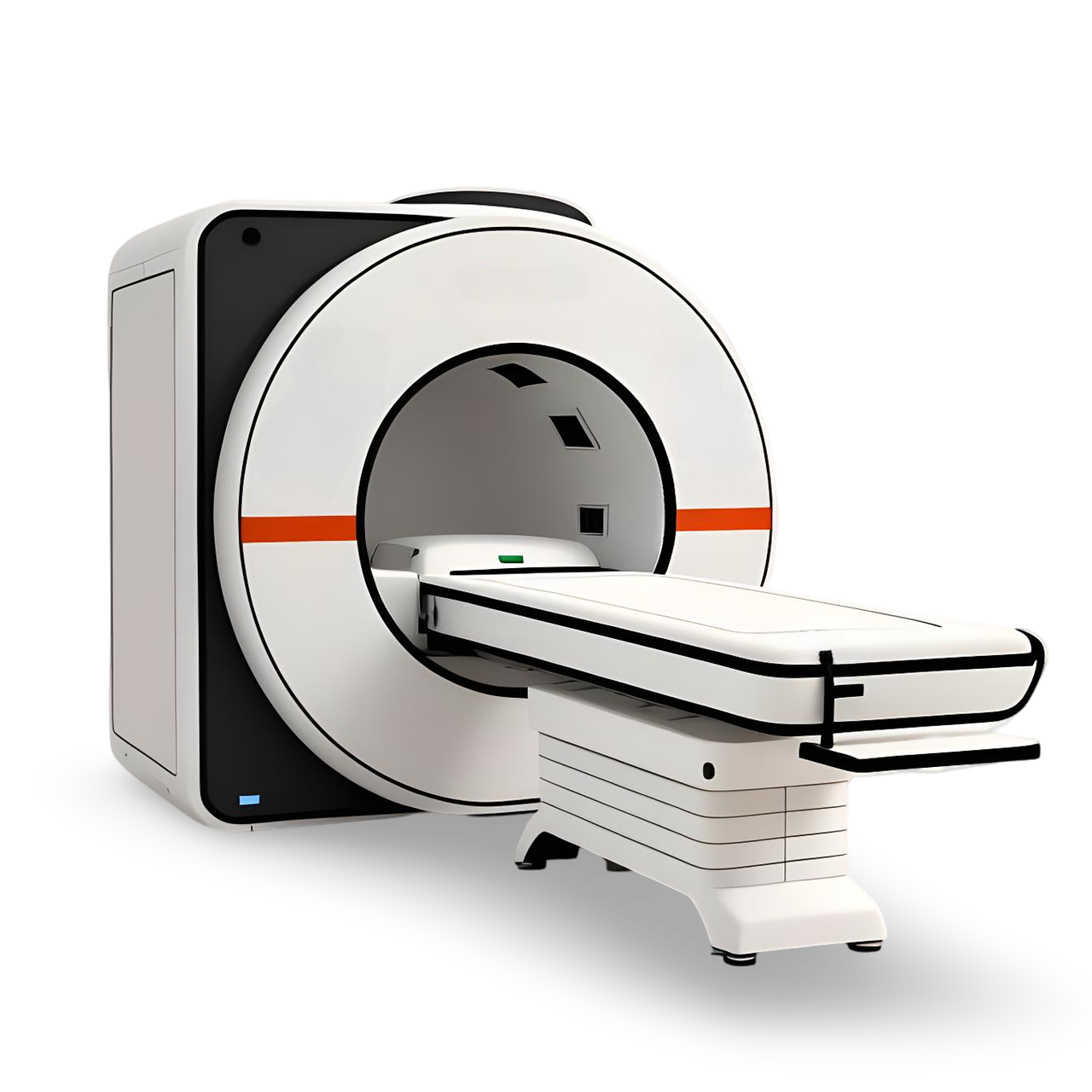

Investment Opportunities in Healthcare AI and Machine Learning Ventures
The integration of artificial intelligence (AI) and machine learning (ML) within healthcare is rapidly transforming the industry and presenting substantial investment opportunities. Startups that leverage these technologies aim to improve patient outcomes and streamline operational efficiencies. A plethora of applications highlight the potential impact of this emerging technology, from diagnostics to patient monitoring and predictive analytics. Investors are increasingly drawn to companies that underscore innovation in chronic disease management, telemedicine, and personalized treatment plans, all powered by AI and ML algorithms. Additionally, these startups are working alongside healthcare providers to facilitate better data integration and decision-making processes. Enhanced patient care through AI diagnostics can not only reduce healthcare costs but also increase access to vital services in underserved regions. The synergy between healthcare professionals and technology developers enables a more patient-centric approach while addressing some of the industry’s most pressing challenges. Investing in healthcare AI and ML ventures allows for supporting transformative solutions that can revolutionize medical practices, ultimately benefiting individuals and healthcare systems alike. This emerging investment landscape holds promise for both financial returns and improving global health outcomes.
The growth of healthcare data has created a rich environment for AI and ML advancements. As hospitals and clinics amass patient data, the necessity for efficient processing and analysis arises, paving the way for innovative solutions. By investing in healthcare AI startups, investors can access cutting-edge technologies that develop predictive modeling and decision support tools, enhancing diagnostics and treatment strategies. These capabilities harness vast datasets to provide insights that were previously unobtainable, empowering medical practitioners with refined decision-making tools. The potential for preventative care is amplified, allowing interventions before conditions escalate. Moreover, data analytics facilitates personalized medicine, tailoring treatments to individual patients based on their unique genetic profiles and medical histories. This level of personalization can significantly improve patient satisfaction and health outcomes. Additionally, the convergence of AI with other technologies, such as wearable devices and telehealth, enhances monitoring and real-time patient engagement. Thus, healthcare AI investments not only promise strong financial growth but also contribute to the overarching goal of delivering improved healthcare services. The advancements in this sector are exciting, presenting numerous avenues for investors looking to be at the forefront of medical innovation.
Emerging Startups Leading the Charge
Numerous innovative startups are utilizing AI and ML to disrupt traditional healthcare models. Companies like Zebra Medical Vision are revolutionizing medical imaging by deploying deep learning algorithms that can identify anomalies across thousands of scans with remarkable accuracy. These advancements streamline workflows in radiology, among other specialties, enhancing the speed and accuracy of diagnoses. Similarly, startups such as Tempus are integrating machine learning with clinical data to aid oncologists in personalizing cancer treatment, significantly impacting survival rates. Another promising venture, Aidoc, employs AI to assist radiologists in their analysis, drastically reducing the time required for diagnosis of critical conditions. Innovators like these demonstrate the tangible benefits of investing in AI-driven healthcare solutions. As these startups continue to evolve, their potential to capture market share increases, particularly as healthcare providers emphasize technological integration. Investors should closely monitor these developments, as the partnerships between these startups and established healthcare institutions will direct future growth trajectories. The ability of such ventures to scale and adapt to emerging medical challenges makes them highly attractive investment opportunities for those aiming to partake in the healthcare revolution.
Healthcare regulations can significantly affect how AI and ML solutions are developed and adopted. Navigating this complex landscape requires a keen understanding of compliance and regulatory frameworks relevant to healthcare technology. Therefore, potential investors must assess the regulatory environment governing any startup they are considering investing in. Regulatory bodies are increasingly acknowledging the importance of AI in healthcare and are working to establish guidelines that ensure patient safety while fostering innovation. Companies that proactively address these regulatory challenges not only bolster their credibility but also create competitive advantages in the market. Furthermore, transparency in data usage and protection will be paramount in gaining trust from both consumers and medical professionals. By investing in startups with solid compliance strategies, investors can mitigate risks associated with regulatory hurdles and the potential for penalties. Understanding these dynamics will be crucial for success in the healthcare AI sector, particularly as regulations continue to evolve. Keeping abreast of changes in the regulatory environment allows investors to recognize opportunities, ultimately contributing to more informed decision-making and strategic investments.
Future Trends in AI Healthcare Investments
As AI and ML technologies continue to mature, new investment trends are emerging within healthcare. For instance, the focus on mental health solutions powered by AI is gaining traction, driven by rising awareness of mental health challenges globally. Startups are developing AI-driven platforms that offer personalized therapy and mental health resources, significantly impacting this often-overlooked area of healthcare. The global pandemic has accelerated the demand for such solutions, highlighting the need for accessible mental health care. Additionally, AI integration in administrative tasks is another critical trend, where machine learning algorithms can optimize scheduling, billing, and patient communications. This leads to substantial cost savings and operational efficiency within healthcare organizations. Furthermore, the rise of remote monitoring technologies is changing how chronic conditions are managed, with AI-enabled wearables offering real-time insights for patients. As healthcare increasingly adopts technology, investors seeking lucrative prospects should explore these niche areas within the AI healthcare landscape. The commitment to innovation and the evolution of patient care models will dictate the success of future investment strategies in this sector.
Moreover, the combination of healthcare AI with big data analytics presents a formidable opportunity for investors. The correlation between vast datasets and AI capabilities is reshaping traditional healthcare practices, from epidemiological predictions to clinical trial optimizations. By harnessing these two powerful forces, startups can unveil insights that enhance patient outcomes while informing policymakers about population health trends. Investing in startups that leverage AI and big data fosters a future-centric approach, especially as healthcare becomes more personalized and data-driven. With an increasing focus on improving healthcare delivery and efficiency, access to real-time data is growing paramount. As a result, investors should not overlook the vital role of data scientists and AI specialists in developing these transformative solutions. Aligning with startups that prioritize scientific rigor can provide significant returns, as they tap into predictive analytics for more informed decision-making. These advancements will not only benefit healthcare operations but also hold potential for social impact, maximizing health equity. As the healthcare landscape continues evolving, investment opportunities that intersect AI and big data will be crucial for future initiatives.
Conclusion: Seizing Opportunities in Healthcare AI
In conclusion, the investment landscape within healthcare AI and ML is ripe with potential. With various applications shifting medical practices towards efficiency, patient-centric care, and personalization, funding opportunities are abundant. Furthermore, as innovative startups continually emerge to address pressing healthcare challenges, the future looks bright for this sector. By identifying leading startups that prioritizes innovation while navigating regulatory landscapes, investors can strategically position themselves for meaningful returns. The convergence of technology with healthcare presents an extraordinary opportunity to improve global health and create lasting change. As investors engage with these advancements, actively seeking diversification across various sectors of healthcare AI will be imperative. This strategy allows for balancing potential risks with rewarding growth opportunities, contributing to sustainable investment models. The healthcare AI sector’s transformative power goes beyond financial gains, extending into meaningful enhancements in patient care and outcomes. Therefore, those who seize these investment opportunities potentially participate in one of the most significant revolutions in the medical field. Embracing this venture not only reflects foresight but also aligns with a commitment to a healthier future.
Lastly, collaboration between investors and healthcare providers is essential for capitalizing on opportunities in the AI landscape. Establishing partnerships and fostering communication channels will lead to greater insights and alignment on needs, ultimately driving the development of innovative solutions. By engaging with healthcare professionals, investors can gain deeper understanding into the challenges faced and identify avenues for viable technological interventions. This close relationship will facilitate the creation of AI solutions that are targeted, effective, and implementable in real-world scenarios. Additionally, such synergy creates pathways for long-term investments supported by tangible outcomes, fostering sustainable growth within the healthcare industry. Investors must also remain adaptable, as the fast-paced nature of technology inevitably leads to rapidly shifting trends and opportunities. Continuous learning about advancements in AI and the healthcare sector will ensure that investors can seize opportunities as they arise. By staying informed and flexible, they can contribute, not only to the enhancement of the healthcare landscape but also to their portfolios. Ultimately, investing in healthcare AI ventures represents a crucial step towards enhancing patient experiences and outcomes, solidifying its importance in modern healthcare strategy.