
How to Secure Your Online Banking Accounts from Cyber Threats
In today’s world, the surge in online banking has made it essential to ensure the safety of your financial accounts. Cybersecurity threats such as phishing, malware, and identity theft have become common. To protect your online banking, start with strong passwords that include a mix of letters, numbers, and symbols. Change your passwords regularly and use multi-factor authentication (MFA) whenever possible. MFA provides an additional layer of security, making unauthorized access much harder. Avoid using easily guessable passwords related to personal information. Additionally, consider using a password manager, which can store complex passwords for various sites securely. Regular monitoring of your bank statements for any unauthorized transactions is also crucial. Prompt reporting of such activities to your bank can prevent further unauthorized access. Moreover, ensure that your devices are equipped with updated antivirus software. This software can protect against malicious attacks. Always avoid using public Wi-Fi networks for banking transactions, as they are often targeted by hackers. Secure connections are critical, so make sure you use your bank’s official app or website only, and verify the URL before entering any sensitive information.
Recognizing Phishing Attempts
Phishing attacks are a prevalent risk when banking online. Often, cybercriminals send emails or messages that appear legitimate, but their intent is to gather sensitive information, such as account numbers or passwords. To avoid falling victim to phishing, look for signs like misspellings in emails or unfamiliar sender addresses. Be wary of emails that create a sense of urgency, prompting you to act quickly without verification. Always examine the links provided in emails by hovering over them to see the actual URL. Legitimate banks will never ask for personal information via email. If you receive suspicious messages, contact your bank directly through official channels instead of clicking on any links. Additionally, use spam filters to help identify potential phishing attempts. Educating yourself about the different types of phishing techniques can also be beneficial. Be skeptical when dealing with offers that seem too good to be true, especially those relating to finances. Knowing what to look for helps significantly in identifying genuine communication from your bank versus potential threats.
Keeping your software and systems updated is crucial for online banking security. Regular updates protect against known vulnerabilities within your devices’ operating systems and applications. Install updates for both your operating system and any software applications you regularly use. Enable automatic updates whenever possible to ensure you always have the latest security patches. This is particularly important for your web browsers, which can be entry points for cyber threats. Outdated software can be exploited easily, leading to data breaches. Also, it’s advisable to regularly back up your data to a secure location to ensure information recovery in case of a cyber attack. Consider using an external hard drive or a reliable cloud service for backups. Additionally, be cautious when downloading applications from unknown sources. Ensure that the apps you install are from legitimate developers. Focus on downloading only trusted applications that offer the highest security levels. If you use financial management tools or budgeting apps, verify their credibility before sharing any sensitive information with them. Staying informed about cybersecurity helps you adapt quickly to evolving threats.
Understanding Secure Connections
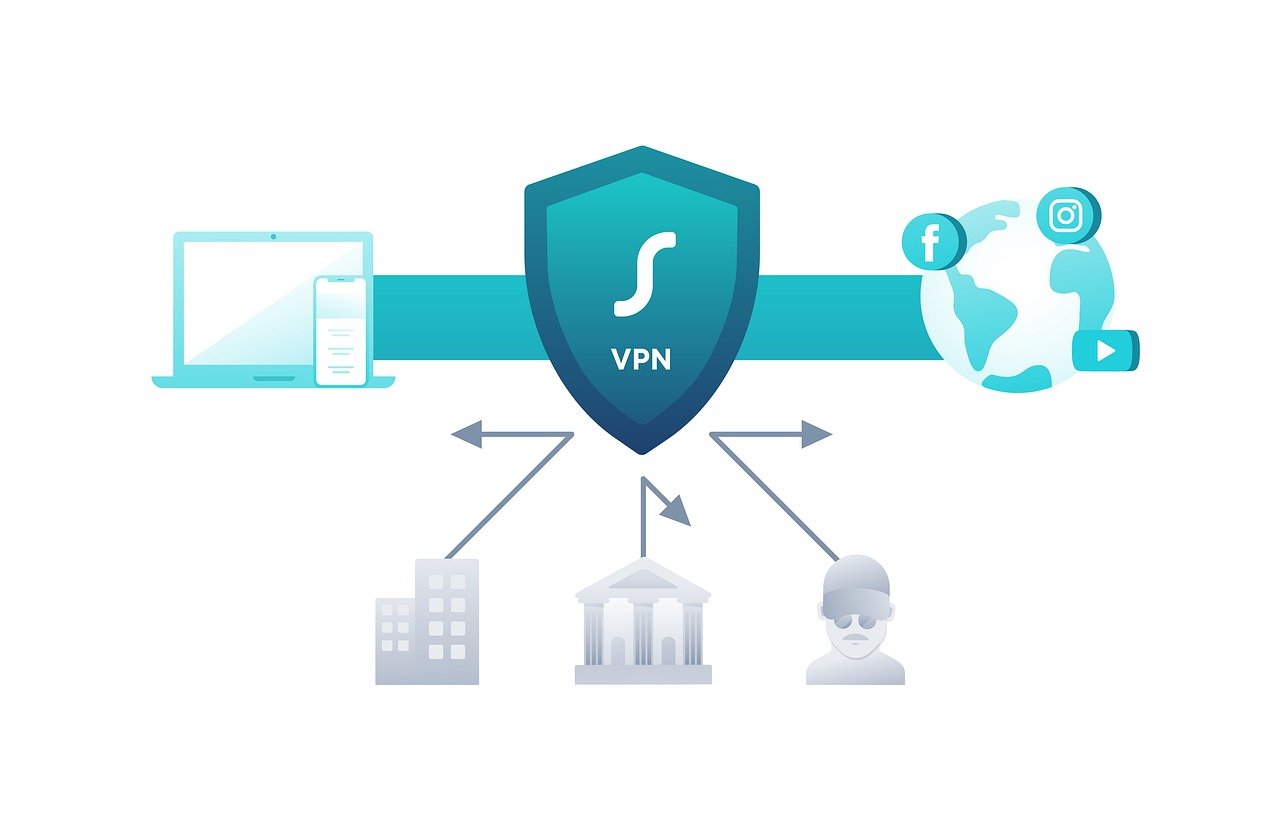
Another essential aspect of ensuring safe online banking is understanding the importance of secure connections. Always check for a padlock symbol in the browser’s address bar, indicating that the website you are visiting is encrypted. HTTPS (HyperText Transfer Protocol Secure) indicates a secure connection. Do not proceed with any banking transactions on websites that do not display this symbol, as they can expose your data to interception. When using mobile banking apps, ensure that they have been downloaded from official app stores, verifying their security beforehand. Secure your internet connection by using a strong password for your home Wi-Fi network. Regularly update your router’s firmware to maximize security features. It’s also a good practice to disable features such as guest Wi-Fi access if not necessary, as they can pose additional risks. In addition, consider using a Virtual Private Network (VPN) when accessing financial information on public networks. A VPN can encrypt your internet connection, adding another layer of security. Being aware of secure connection protocols will significantly help in safeguarding your online banking transactions.
Implementing alerts from your bank is an effective way to enhance your online account security. Most financial institutions offer notification services for transactions conducted within your accounts. Setting up alerts can help you monitor your account for unusual activities. These alerts can be sent via text messages or emails based on your preference. You can also customize these notifications to track specific transactions, such as purchases or withdrawals, to remain informed. If you spot any suspicious transactions, report them immediately to your bank for appropriate actions. Additionally, consider freezing your banking account temporarily if you suspect any unauthorized access. This action can prevent further damage and protect your funds during an investigation. Furthermore, taking proactive steps like subscribing to credit monitoring services can notify you of significant changes in your credit report. These services help detect possible identity theft and alert you about new accounts opened in your name. By staying vigilant and utilizing alert systems offered by your bank, you significantly enhance your ability to secure your online banking accounts.
Final Thoughts on Cybersecurity
Securing your online banking accounts from cyber threats is an ongoing commitment that requires your active involvement. By adopting preventative measures and remaining educated about potential risks, you can significantly lower your vulnerability. Regularly reassess your online security practices and update them as necessary in response to changing threats. It’s critical to remain informed about new and emerging cyber threats that could affect online banking security. Establishing good habits, such as regular password changes, software updates, and using secure connections, can create a solid foundation for online banking safety. Do not hesitate to contact your bank if you have security concerns or questions; open communication can provide additional security insights. Engage in regular discussions surrounding cybersecurity with family and friends, as awareness spreads through communities. Additionally, consider staying updated on resources provided by cybersecurity experts and organizations that focus on financial security. Be proactive rather than reactive, ensuring your defenses against online threats remain robust. Ultimately, you are your first line of defense in protecting your online banking accounts from cybercriminals.
In conclusion, securing your online banking accounts from cyber threats requires a multifaceted approach. Early recognition of risks and taking preventative measures can significantly minimize potential threats. Regularly monitoring your accounts and staying vigilant against phishing attempts, as well as utilizing alerts offered by your bank, are essential. Additionally, understanding encryption and secure connections will further safeguard your sensitive information. Remaining informed about cybersecurity trends and practices is crucial, ensuring you adapt and respond effectively to new threats. By following best practices, such as keeping software current and using strong passwords, you increase the chances of protecting your financial data. Avoid complacency; instead, commit to continuously enhancing your online security measures. Engage in discussions with professionals and peers alike to share insights and strategies. Remember that the landscape of cyber threats is forever evolving, so adapt accordingly. Your dedication to this cause will ultimately create a safer online banking environment for you and others. Start now and prioritize your financial security, keeping cyber threats at bay. Awareness combined with action is the key to protecting your online assets.
Keywords: online banking, cybersecurity, phishing, secure connections, alerts, financial security.