
The Importance of Record Keeping in Trade Compliance
Record keeping is an essential component of trade compliance, as it significantly influences the operations of international trade. Consistent and accurate maintenance of records enables businesses to remain compliant with various regulations imposed by customs authorities. These records provide documented evidence that can verify compliance during audits or inspections. By maintaining detailed records, companies protect themselves from potential penalties and fines resulting from non-compliance. Additionally, comprehensive record keeping simplifies the preparation of reports for regulatory bodies. Businesses must track import and export documentation to ensure accuracy and completeness. The records should include invoices, shipping documents, and any correspondence with customs officials. The importance of diligent record-keeping extends beyond compliance; it also supports better business decisions. Access to reliable data on trade transactions can enhance strategic planning and improve negotiations with suppliers and customers. Moreover, maintaining organized records simplifies the process of responding to inquiries or discrepancies raised by customs officials. Overall, organizations must prioritize record-keeping as a foundational aspect of their trade compliance strategy to avoid risks and ensure smooth operations.
Moreover, effective record keeping is synonymous with establishing a strong compliance culture within an organization. This culture promotes awareness among staff regarding the responsibilities they hold when dealing with international transactions. Regular training should be designed to emphasize the importance of documentation in trade compliance. Employees should understand how accurate record keeping can protect the organization’s interests and help them avoid unnecessary fines. Increased transparency in these processes raises accountability among employees and bolsters overall company integrity. Additionally, adopting digital record keeping solutions can help streamline the process. Automation tools enable businesses to track records effectively without overwhelming personnel. Storing records digitally simplifies retrieval during audits and minimizes the risk of loss or damage. Another critical aspect is the retention period for different types of documents, which varies based on region and product type. Organizations must stay aware of the specific retention requirements pertinent to their business. A well-structured plan should define what needs to be kept, how long it should be retained, and the procedures for secure destruction once it is outdated. This strategy is vital for optimizing the record-keeping process and ensuring regulatory compliance.
Technological Innovations in Record Keeping
Technological advancements have significantly transformed the landscape of record keeping in trade compliance. The integration of software solutions allows for enhanced tracking and management of trade documentation. Cloud-based platforms enable organizations to store records securely and access them from anywhere at any time. This flexibility can accelerate processes, especially during audits or inquiries from customs authorities. Furthermore, these platforms often include features such as automatic alerts and reminders for document expiration, thus simplifying compliance management. Leveraging technology not only provides security but also supports data accuracy and enhances collaboration between teams. For instance, staff members responsible for compliance can share and manage records seamlessly, reducing the chances of human error. Additionally, the implementation of AI and machine learning can optimize data analysis related to trade compliance. These technologies can identify patterns, flag inconsistencies, and provide insights that facilitate informed decision-making. By adopting such innovative solutions, businesses remain proactive in maintaining compliance with international trade regulations. Embracing technological advancements puts organizations ahead of potential risks and helps maintain a competitive edge in the evolving global trade environment.
Another influential aspect of proper record keeping is its role in facilitating trade agreements. Accurate and complete documentation allows companies to build trust with their international partners and customers. When businesses provide reliable records, it assures stakeholders of their commitment to compliance, further improving trade relationships. Additionally, in the event of disputes or claims, having comprehensive records on hand becomes invaluable. It supports the resolution process by providing clear evidence of transactions and agreements. Thus, proper documentation serves as a safeguard in today’s dynamic trade environment. Moreover, the implications of trade compliance extend beyond immediate checks and balances; they affect long-term growth and expansion opportunities for businesses. Companies that prioritize record keeping set a strong foundation for exploring new markets and building sustainable international partnerships. This enhances their brand reputation and allows for a smoother entry process into different regions. Ultimately, successful organizations recognize that trade compliance is an ongoing commitment requiring a dedicated approach to record keeping. They understand that continuity in documenting trade activities fosters greater accountability, enhances operational efficiency, and drives future opportunities.
The Risks of Neglecting Record Keeping
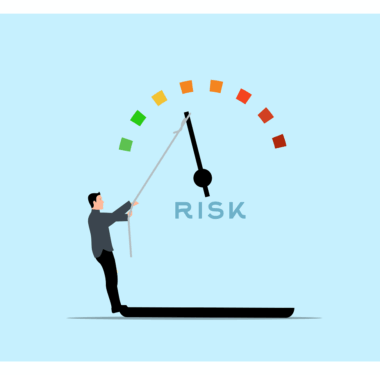
The consequences of neglecting record keeping in trade compliance are profound and can impact businesses significantly. Organizations that fail to maintain accurate documentation face heightened risks, including financial penalties and legal ramifications. Non-compliance with regulations can lead to substantial fines, creating unwanted financial burdens. Additionally, a lack of proper records can result in the suspension of trading privileges or import/export licenses, crippling operations. Companies may find it challenging to recover from these setbacks, which could damage their reputation with partners and clients. Moreover, poor record keeping can hinder the ability to respond swiftly during audits. Customs authorities often conduct audits to ensure compliance; inadequate documentation can lead to unfavorable perceptions. Furthermore, businesses might not be aware of legal changes or new requirements that affect their trade activities. They may inadvertently violate regulations due to outdated information, leading to further complications. Therefore, organizations need to regularly review their record-keeping practices. By identifying areas for improvement, companies can mitigate risks and strengthen their trade compliance frameworks. Establishing robust policies around record keeping is critical to navigating the complexities of international trade successfully.
To foster a culture of compliance, companies should actively involve all employees in the importance of record keeping. Engaging the workforce makes them feel accountable and provides clarity concerning their roles in ensuring trade compliance. This approach not only improves individual performance but also contributes to an organization’s overall compliance strategy. Furthermore, organizations may consider appointing a compliance officer responsible for overseeing record keeping practices. This designated individual can monitor record accuracy, provide additional training, and ensure all nominations practice effective compliance methods. Regular reviews can also be scheduled to assess adherence to record-keeping policies, guaranteeing that any issues are promptly addressed. Incorporating feedback from employees can also enhance record-keeping strategies, making them more efficient and easier to follow. Additionally, creating an easily adaptable set of tools and processes strengthens compliance frameworks. As trade regulations continue to evolve, businesses must remain agile to changing demands. Customizing records based on operational changes or political climates enhances flexibility. By promoting collective ownership of compliance, businesses can create a resilient model that naturally prioritizes accurate record keeping within every aspect of international trade.
Conclusion: Emphasizing the Need for Effective Record Keeping
In conclusion, the importance of effective record keeping in trade compliance cannot be overstated. Organizations that prioritize accurate documentation position themselves to thrive in the complexities of international trade. Developing a comprehensive record-keeping strategy streamlines compliance efforts and serves as an essential tool for business growth. By maintaining detailed and organized records, companies protect their interests and enhance operational performance. Furthermore, aligning record-keeping practices with technology ensures accuracy and efficiency in the management of trade documentation. Companies are better equipped to engage potential partners and resolve conflicts when they follow established practices. Adopting a proactive approach to compliance not only mitigates risks but also fosters a culture of transparency, integrity, and accountability. It positions organizations at a competitive advantage, especially in the global trading environment. Ultimately, trade compliance is a collaborative effort that requires ongoing commitment and diligence. As regulations continue to change, grasping the necessity for effective record keeping will pave the way for sustainable business operations and international relationships. Businesses must invest in their compliance infrastructure, recognizing it as a strategic asset rather than a mere obligation.
Proper record keeping embodies a core value within the realms of international trade compliance and enhances organizational resilience. It enables businesses to navigate challenges and seize opportunities confidently, ensuring harmonized trade relationships. The emphasis on meticulous documentation serves as the foundation for operating successfully in a global context. Therefore, as organizations engage in trade, they should consistently recognize the value of effective record keeping in protecting their operations and attracting favorable business partnerships. Strong record-keeping practices contribute to sustainable and compliant trade practices in the long run.