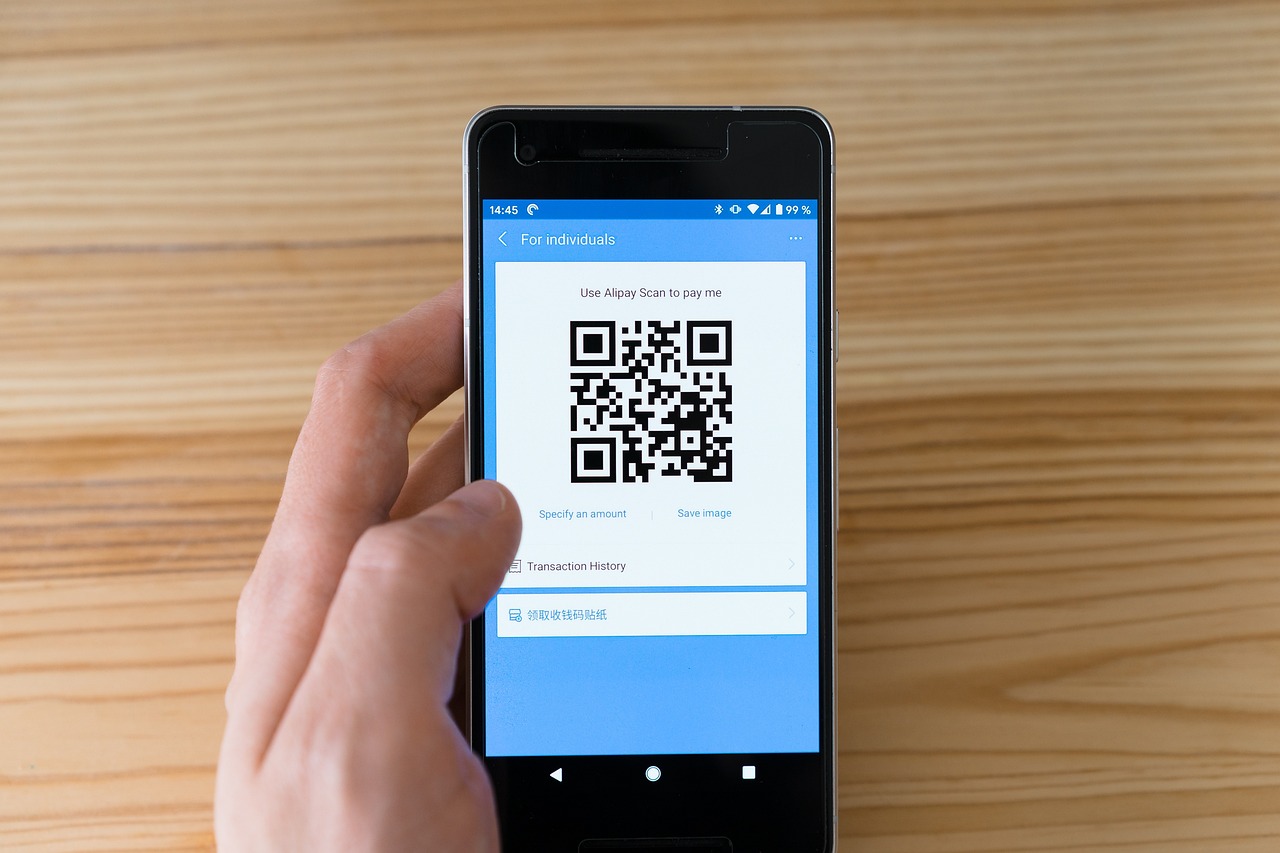

How Digital Payment Platforms Support Contactless Payments
In recent years, digital payment platforms have revolutionized how consumers conduct transactions. These platforms, which include services such as PayPal, Venmo, and Google Pay, allow users to make purchases using their smartphones or other digital devices. The rise of contactless payments stems from the increasing need for convenience and security, especially amid the COVID-19 pandemic. Consumers prefer tapping their devices rather than handling cash or physical cards, which helps reduce virus transmission. Additionally, digital payment platforms support multiple payment methods, such as credit cards, bank accounts, and cryptocurrencies, enabling users to choose their preferred options. Many companies have also integrated loyalty programs within these platforms, enhancing the user experience while encouraging repeat purchases. Merchants benefit from this trend as well, as they can attract more customers with a streamlined payment process. Security features of digital payment platforms, including encryption and biometric authentication, provide added confidence to users. Moreover, businesses can gather valuable data to improve their services, further enhancing customer satisfaction. The continuous development of technology ensures that digital payment platforms remain at the forefront of payment methods, driving innovation across various sectors.
Mobile wallets, which are pivotal in digital payment platforms, are designed for convenience and efficiency. Users can store multiple cards and payment methods in one application, significantly simplifying the purchase process. By connecting the wallet to their bank accounts, users can quickly transfer funds or pay bills without the need for physical currency. Some platforms even allow users to split bills among friends, making group transactions hassle-free. As contactless payments gain traction, many businesses have adopted systems that support these mobile wallets, discouraging cash transactions and promoting a more hygienic option. The global transition towards cashless societies has made digital wallets indispensable. With online security becoming a paramount concern, these platforms are continuously enhancing their encryption methods. Many institutions implement two-factor authentication, ensuring that unauthorized access is minimized. As digital payments continue to grow, educational initiatives to inform users about security practices are vital. In addition, digital payment platforms often collaborate with financial institutions to offer promotional incentives, such as discounts or cashbacks, for users who choose to transact digitally. This creates a win-win situation for consumers and businesses alike, reinforcing the importance of digital payment solutions.
Consumer confidence significantly influences the adoption of digital payment platforms, especially concerning contactless payments. The proliferation of mobile technology and a younger, tech-savvy generation has accelerated this trend. However, barriers still exist, such as concerns over personal data privacy and security breaches. Digital payment platforms are investing heavily in advanced security measures to mitigate these fears, frequently updating their technologies to stay ahead of potential threats. Education is another crucial aspect that affects consumer acceptance. Through detailed information and resources on security protocols, payment platforms can reassure users that their data is safe. Additionally, providing user-friendly interfaces simplifies the checkout process, increasing overall satisfaction and trust in these digital systems. Many fintech companies are actively promoting contactless payments to businesses, underscoring the speed and efficiency of transactions. Secure processing systems not only enhance user experience but also reduce fraud rates, making businesses more likely to accept digital payments. The collaboration between digital platforms and traditional banking institutions further fosters consumer trust. As awareness grows, more individuals will embrace contactless payments, ensuring a seamless transition to a future dominated by digital financial transactions.
The Future of Digital Payments
As we look to the future, the growing demand for digital payment platforms suggests a lasting trend in contactless payments. Innovations in blockchain technology and artificial intelligence will redefine how transactions occur, enhancing security and speed. Smart wallets equipped with machine learning capabilities can analyze spending patterns, offering personalized financial advice to users. Furthermore, the integration of biometric authentication methods, such as facial recognition or fingerprint scanning, provides another layer of security that many users find reassuring. Retailers will increasingly implement smart checkout options, allowing customers to purchase items with minimal human interaction. This shift will not only improve efficiency but also redefine the customer shopping experience. According to industry studies, contactless payments are projected to account for a significant percentage of total transactions in the coming years, making it essential for businesses to adapt. Expanding internet coverage and smartphone penetration, especially in emerging markets, will drive the adoption of these technologies globally. Digital payment platforms are capitalizing on this growth by investing in user research to develop features that cater to specific needs. Continuous innovation is paramount for maintaining market relevance and offering customers unparalleled convenience and security.
Incorporating artificial intelligence into digital payment platforms is a vital trend that will shape future operations. AI can analyze vast datasets to predict customer behavior, enabling platforms to offer customized promotions reducing cart abandonment rates. Moreover, utilizing AI-driven chatbots for customer service can enhance user interaction, providing instant support whenever needed. Machine learning algorithms identify fraudulent activities in real-time, quickly alerting users of possible threats. By prioritizing security and user experience, digital payment platforms can build lasting customer relationships. As fintech companies continue to innovate, they must keep regulatory compliance in mind to remain competitive. Collaboration with authorities in various regions fosters trust and ensures legal adherence, making it easier for users to adopt these payment methods confidently. The emphasis on sustainable practices within payment systems is also on the rise; consumers are increasingly discerning about aligning with businesses that prioritize environmental responsibility. Digital payment platforms can directly contribute to a more sustainable economy by reducing the usage of physical cash and cards, which require extensive resources to produce. Embracing eco-friendly technologies will resonate well with eco-conscious consumers. Ultimately, prioritizing innovation and sustainability is critical for success in the evolving landscape of digital payments.
The Role of Blockchain in Contactless Payments
Blockchain technology plays a transformative role in the evolution of contactless payments through its decentralized, secure nature. By offering transparent transaction records, blockchain enhances trust among users and enables faster processing times compared to traditional payment systems. Many fintech startups are leveraging blockchain to create innovative payment methods that empower users and reduce reliance on intermediaries, which can result in lower fees. The integration of blockchain with digital wallets can streamline currency exchanges, allowing users to transact in multiple currencies without incurring hefty conversion fees. This opens up a world of opportunities for international commerce, making it easier for businesses to expand globally. As regulatory frameworks evolve, blockchain’s robustness will likely attract more consumers wary of privacy issues. Implementing smart contracts can automate transactions, ensuring that payments only occur when predefined conditions are met, reducing the need for trust in counterparties. The ongoing collaboration between fintech companies and traditional banks in exploring blockchain solutions will further enhance the stability and reliability of contactless payment systems. As these partnerships mature, a greater number of people will benefit from the advantages offered by blockchain-enhanced digital payment solutions, paving the way for widespread adoption.
In conclusion, digital payment platforms are critical in driving the adoption of contactless payments, addressing consumer needs for convenience and security. By harnessing technology, these platforms have become essential tools for both consumers and businesses, facilitating seamless transactions in an increasingly digital world. The continuous evolution of features, such as mobile wallets, AI integration, and blockchain applications, will further enhance user satisfaction, as security concerns persist. Educational initiatives aimed at informing users about these developments will foster trust and promote a smoother transition to contactless payment systems. As more businesses embrace digital payment methods, increased accessibility and better user experiences will ultimately benefit the ecosystem. With the potential for ongoing enhancements, digital payment platforms are poised to continuously evolve and meet the demands of a growing consumer base. By collaborating with regulators and investing in sustainable practices, these platforms will reshape the future of finance. Ultimately, the success of contactless payments hinges on innovation, addressing security concerns, and creating customer-friendly services that enhance daily life.
Overall, digital paymen