
Best Practices for Managing Buyers’ Credit Risks
Effectively managing buyers’ credit risks is essential for organizations involved in Supply Chain Finance (SCF). By employing well-defined risk management strategies, firms can minimize potential losses arising from buyers defaulting on payments. One effective practice is conducting thorough credit assessments of potential buyers before extending credit. This includes analyzing their financial statements, credit history, and business stability. Moreover, implementing a robust monitoring system can help businesses track buyers’ credit status, thus allowing for timely intervention should their financial situation deteriorate. Clear communication with buyers about credit terms is integral in ensuring they understand expectations, reducing misunderstandings. Regularly reviewing the credit limits of buyers is crucial to adapting to any changing circumstances impacting their ability to pay. Additionally, organizations should establish contingency plans for events leading to buyer distress, enabling them to respond efficiently. Collaborating with financial institutions for additional insights into buyer creditworthiness can also be beneficial. Lastly, proper training of staff on credit risk management further enhances the organization’s ability to navigate these challenges effectively. Through these practices, companies can secure their financial health while optimizing the benefits of SCF.
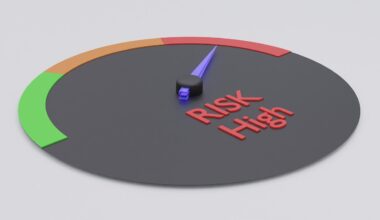
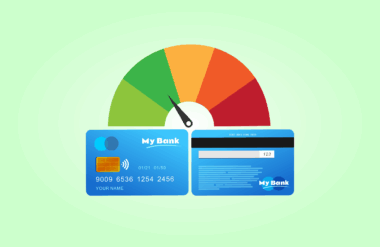
Another best practice in managing buyers’ credit risks involves categorizing buyers according to their risk levels. Businesses can implement a systematic classification system that identifies high-risk, medium-risk, and low-risk buyers. This categorization can guide organizations in determining appropriate credit limits and terms for each buyer based on their risk category. For high-risk buyers, companies might consider requiring prepayment or implementing shorter payment terms as safeguards. In contrast, low-risk buyers may enjoy more favorable terms that encourage continued business relationships. Furthermore, establishing a disciplined limits-authority governance framework is vital to ensure that all credit decisions are made judiciously. Continuous training programs on buyers’ credit assessment for the sales and finance teams can increase awareness of indicators that signal credit risks. Incorporating technology solutions, such as predictive analytics tools, can also provide deeper insights into buyer behaviors and trends. Through automation and sophisticated modeling, organizations can reduce the time spent on manual risk assessments. These methods combine to create a proactive credit management approach that fosters secure financial outcomes while allowing for strategic growth within the supply chain.
Importance of Diversification
Diversification is a critical strategy for mitigating buyers’ credit risks in SCF. Relying too heavily on a limited number of buyers can lead to significant risks, particularly if any of them face financial difficulties. By expanding the buyer base, companies spread their exposure to default risks. In addition, diversifying across different sectors and geographical locations further enhances stability, as economic shifts typically affect varied industries differently. Companies should actively seek to onboard a mix of buyers, including those from various regions and industries, to achieve this diversification. Incorporating a wide range of buyers also enables a more robust revenue stream, which is essential for weathering downturns when certain buyers may face challenges. Additionally, creating strong relationships with a diverse buyer portfolio fosters resilience against market fluctuations. Regularly reassessing the diversification strategy helps firms to remain flexible and responsive to evolving market conditions. Keeping a finger on the pulse of buyer performance across diverse sectors can provide valuable insights, assisting companies in making well-informed credit decisions. Ultimately, diversification serves not just as a risk mitigation tool, but also as a pathway for sustainable business growth.
Effective collection strategies are essential components of managing buyers’ credit risks. Companies need to develop a systematic approach for collecting outstanding payments promptly and efficiently. This includes implementing clear invoicing procedures that specify payment terms and deadlines, thus ensuring buyers understand expectations. Additionally, utilizing multiple collection channels, such as email reminders, phone calls, and even personal visits for high-value clients, can enhance the chances of timely payment. Establishing a dedicated collections team can further streamline this process, allowing for specialized attention to payment recovery. Furthermore, companies should embrace technology by integrating account receivable systems that can automate invoice generation and track payment statuses. By leveraging tools that provide real-time insights into outstanding invoices, businesses can prioritize follow-ups based on urgency. Maintaining positive relationships with buyers, even during collection efforts, is vital. Practicing empathy and understanding can facilitate smoother negotiations around repayment plans when cash flow issues arise. By fostering goodwill, companies can often ensure better long-term relationships with their buyers, turning potentially difficult situations into collaborative problem-solving opportunities that benefit all parties involved.
Regular Risk Assessment
Regularly assessing and updating the risk profile of buyers in supply chains is a crucial practice. Factors impacting creditworthiness are often dynamic, making it essential for businesses to stay informed about potential changes. Economic conditions, industry disruptions, and individual buyer circumstances may reveal vulnerabilities that necessitate a reevaluation of credit terms. Conducting periodic reviews enables companies to adjust their approaches proactively, either tightening credit limits or reassessing risk categorizations as needed. It is equally important to stay updated on any market trends that might influence buyer performance, such as changes in regulations or economic shifts affecting specific industries. Engaging in ongoing communication with buyers helps firms to identify any warning signs of trouble early on, allowing for timely intervention. Utilizing sophisticated risk monitoring tools supports this process, providing data-driven insights that highlight areas of concern. Additionally, encouraging buyers to maintain open lines of communication regarding their financial status enhances transparency and fosters trust. By incorporating regular assessments into their credit management processes, companies can ensure they are well-prepared for various contingencies and contribute to overall supply chain stability.
Leveraging technology is indispensable in today’s business environment when managing buyers’ credit risks. Leveraging data analytics tools can significantly enhance the decision-making process by predicting buyer behavior and assessing potential risks. Organizations should invest in platforms that aggregate and analyze financial data seamlessly, creating actionable insights about buyers’ credit profiles. This level of analysis can assist businesses in identifying trends and patterns that human assessments may overlook, improving the accuracy of credit evaluations. Moreover, automated systems can streamline the credit application and review processes, reducing the time spent on manual inputs. Mobile applications are also increasingly popular, allowing businesses to track payments and communicate with buyers effectively in real time. Moreover, employing blockchain technology can further enhance transparency in transactions and improve trust between parties. Adopting a comprehensive digital strategy for managing buyers’ credit risks allows companies to create more agile, informed, and scalable operations. By embracing these technologies, organizations can not only mitigate risks but also enhance their overall operations, ensuring they remain competitive in the lunacy of modern supply chains.
Conclusion
In conclusion, managing buyers’ credit risks is an essential aspect of successful supply chain finance strategies. Implementing best practices effectively safeguards organizations from potential losses while fostering strong business relationships. A combination of thorough risk assessments, diversification, effective collection strategies, and regular credit evaluations significantly improves the ability to navigate challenges in the ever-changing marketplace. Additionally, leveraging technology plays a vital role in enhancing efficiency and precision in credit management processes. By staying proactive and adaptable, companies can mitigate risks and negotiate favorable terms that benefit both buyers and sellers. A comprehensive approach to managing buyers’ credit risks not only protects financial health but also enables firms to capitalize on the opportunities presented by robust supply chain finance mechanisms. Ultimately, organizations that prioritize effective management of buyers’ credit risks will thrive in competitive environments, ensuring sustainable growth and resilience in their supply chains, leading to success in today’s business landscape.