
The Impact of Debt on Your Credit Score and How to Fix It
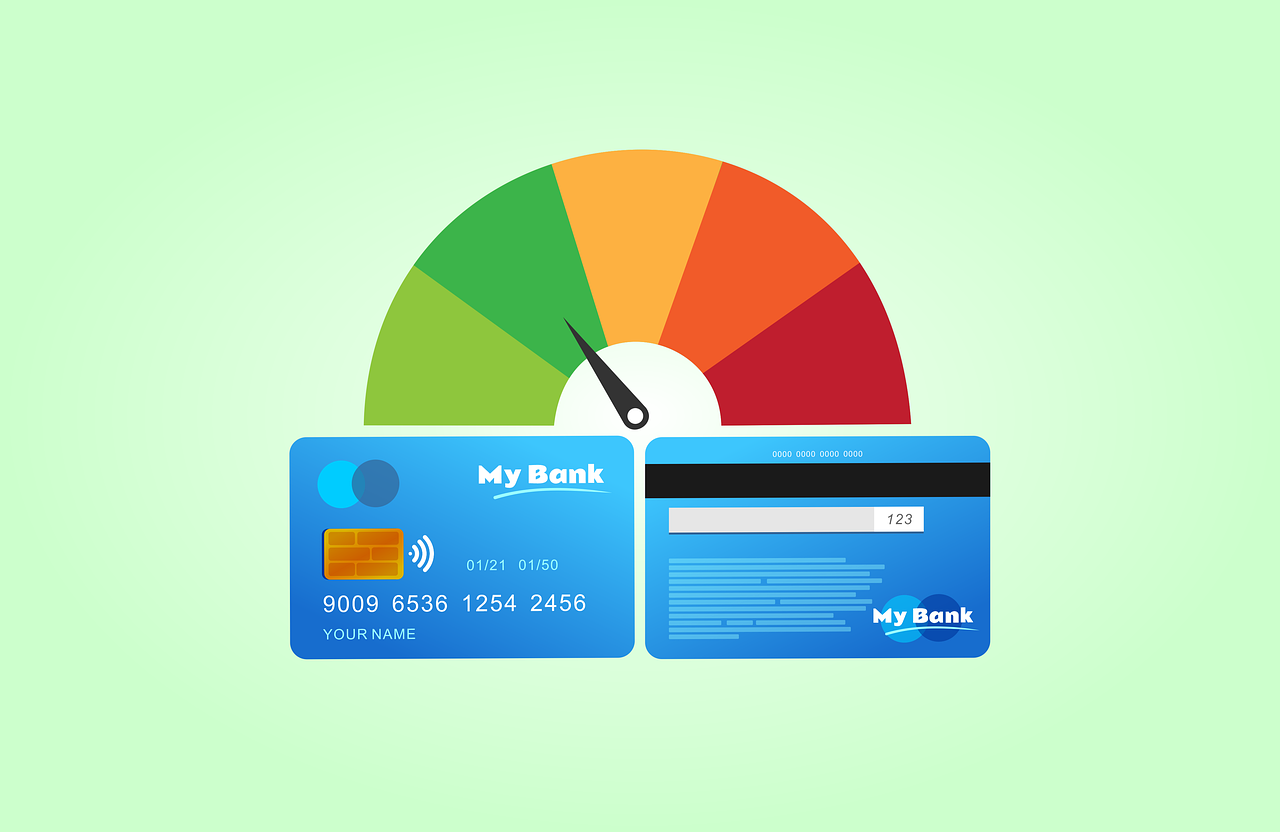
Debt can significantly impact your credit score, which is a crucial factor for securing loans and credit in the future. Credit scores range from 300 to 850, and managing your debt efficiently influences this score. When you accumulate high levels of debt, especially credit card debt, it generally leads to a reduction in your credit score. Credit utilization, or how much of your available credit you are using, plays a major role. If your utilization is above 30%, your credit score may suffer. Moreover, late payments and defaults contribute negatively to your score, reflecting irresponsible financial management. Thus, it becomes vital to understand how your current debt load is affecting your overall financial health. A lower credit score may lead to higher interest rates on future loans, making it more expensive to borrow. Ultimately, being aware of the implications of debt can motivate you to maintain lower credit balances. Strategies such as budgeting, paying bills on time, and reducing credit card balances can directly boost your score and improve your financial situation.
Understanding Credit Scoring
The components of a credit score are vital to understand. The score is primarily influenced by payment history, credit utilization, length of credit history, types of credit in use, and recent credit inquiries. Payment history accounts for about 35% of your score, making timely repayments crucial. Credit utilization contributes around 30%, so keeping balances low relative to limits is essential. Length of credit history, which includes the age of your oldest account and the average age of all of your accounts, comprises about 15%. It’s advisable to leave older accounts open to maintain a lengthy credit history. The types of credit you have—installment loans and revolving accounts—are important too, as they show lenders you can manage different forms of credit. Finally, hard inquiries can account for around 10%. Too many inquiries can indicate financial distress, negatively influencing your score. Being informed about these components can help you approach your debt management strategically, thereby enhancing your credit score over time.
To improve your credit score, implementing effective debt management strategies is key. Start by monitoring your credit report regularly to identify discrepancies and understand your score better. You are entitled to one free credit report annually from each of the three major credit bureaus—Equifax, Experian, and TransUnion. Review these reports for any inaccuracies. If you find errors, dispute them promptly. Moreover, focus on making payments on time. Setting up reminders or automatic payments can help avoid late fees, which are detrimental to your score. Additionally, pay down existing debt, starting with high-interest credit cards first. This approach, known as the avalanche method, minimizes interest paid over time. Also, consider negotiating with lenders for lower interest rates. Finally, resist accumulating more debt, which can hinder your progress. Instead, create a realistic budget. Goals are tangible only when you set them in the context of achievable spending limits. Taking a proactive approach will ensure that your efforts lead to a healthier credit score in the long run.
Strategies to Manage and Reduce Debt
Managing debt requires a comprehensive approach and commitment. One effective method is the snowball method, where you focus on paying off your smallest debts first. This approach can create a sense of achievement and motivate you to tackle larger debts. Simultaneously, aim to make at least the Minimum Payments on all other debts; this prevents accounts from going into default. Another strategy is consolidating your debts into a single loan with a lower interest rate, which simplifies payments. You may also consider speaking with a credit counseling service for professional advice. These services can help negotiate with creditors on your behalf, often resulting in reduced interest rates or more manageable payment plans. Furthermore, creating an emergency fund can prevent the need for debt in unexpected situations. Even small, regular contributions to this fund can add up over time, providing a safety net. Lastly, educate yourself about personal finance and consider financial literacy courses. Improving your understanding of finances can empower you to make better decisions regarding your debt and credit management.
Staying debt-free post-recovery is crucial for maintaining a healthy credit score. After paying off debts, it’s important to keep your balances low, ideally under 30% of your available credit limits. Avoid closing old credit accounts, as this shortens your credit history and may negatively impact your score. Additionally, refrain from taking on new unnecessary debts immediately after clearing past ones. Instead, focus on building an emergency fund that can cover 3-6 months of living expenses. This fund can prevent future reliance on credit in case of unexpected expenses. Continually monitor your credit score to track your progress and identify any potential issues early on. Utilize budgeting tools and financial apps to keep spending in check. Aim to make more than the minimum payments whenever possible, as this reduces your overall debt faster. Engaging in workshops or reading about personal finance can further reinforce good habits. By maintaining discipline and cultivating a proactive financial mindset, you can ensure long-term credit health, preventing future debt issues and leading you toward financial freedom.
Conclusion
Understanding the impact of debt on your credit score is fundamental to financial health. Credit scores have a direct correlation with your ability to borrow money and obtain favorable interest rates. By actively managing and reducing debt, you not only enhance your credit score but also improve your financial literacy and decision-making abilities. Implementing strategic methods—such as the avalanche or snowball approaches, negotiating lower interest rates, or seeking professional help—can lead to effective debt management. Consistent payments and correctly utilizing credit limits play significant roles in maintaining a good score. Additionally, staying mindful of the financial habits you develop will ensure that you remain on a path toward financial security. Knowledge is power, and educating yourself on credit scores and debt management is instrumental in creating a sustainable financial future. Remember, achieving a better credit score is a gradual process requiring commitment and patience. By prioritizing timely payments and smart debt management, you pave the way for a healthier financial landscape. Maintain these practices to enjoy the benefits of a solid credit score and improved financial opportunities.
In conclusion, achieving a strong credit score influenced largely by debt management is a collective effort that bears long-lasting rewards. Addressing existing debt, while preventing new debt accumulation, positions you to cultivate excellent credit. Regularly reviewing your credit reports and practicing sound financial habits establishes stability. Focusing on financial education equips individuals with the knowledge to manage and improve credit scores proactively. Embrace budgeting techniques and savings strategies as integral elements of your financial plan. Furthermore, always be prepared for emergencies by establishing a solid financial cushion through saving. This preparation dramatically lessens the temptation to resort to credit during unforeseen circumstances. Each action taken should align with the goal of leading toward sound financial judgment and practices. Moreover, fostering a healthier relationship with credit will enable individuals to navigate their financial journeys with confidence. A proactive approach towards credit allows for not just recovery but a brighter financial future. By implementing the tips discussed, you place yourself on the roadmap to financial excellence. It’s never too late to start improving your credit score while managing your debt effectively.
As you work on improving your financial situation, remember that patience plays a crucial role. Credit scores do not change overnight. After making significant changes to debt management strategies, it may take time for your score to reflect these improvements. Keep your focus on consistency and long-term goals rather than immediate results. The process can be empowering, as positive changes may lead to better borrowing terms in the future. Be mindful of lifestyle changes that may arise from better financial health, allowing you to enjoy the benefits of financial freedom. Tracking your credit score regularly serves as a useful motivational tool, treating it as a part of your own personal financial growth journey. Understanding the wider impact of debt on life choices can encourage better spending practices. By remaining dedicated and committed to your financial education, you can increase the possibilities that lie ahead. Celebrating small victories on your path enhances the experience, as every positive step contributes to overall financial success. In conclusion, an effective debt management plan ultimately supports a higher credit score, inviting opportunities and a brighter financial future.