
Evaluating Resource Performance in Project Management
In any successful project management framework, evaluating resource performance stands out as a critical function. Effective resource allocation is necessary for achieving project goals within budget constraints and timelines. The evaluation process involves monitoring various performance metrics, allowing managers to pinpoint areas needing attention. Stakeholders must agree on these metrics to ensure alignment. Some common metrics to consider include efficiency, productivity, and quality levels. Understanding these aspects assists in creating a balanced team that maximizes results. Administering regular assessments promotes a climate of accountability. This leads to optimum resource utilization, beneficial for overall project success. Moreover, timely evaluations help identify issues early, allowing for corrective actions before they escalate into significant problems. This proactive approach helps in maintaining momentum, which is essential in project management. Ultimately, effective evaluation frameworks facilitate strategic planning and informed decision-making. Regular reviews guarantee that the project is on the right track, ensuring all resources are being used efficiently. In conclusion, establishing clear performance criteria lays the groundwork for a successful project by aligning resources with strategic objectives.
In the context of resource management, analyzing the performance of your team is paramount. To gauge how effectively resources perform, establish a stack of guidelines and metrics for measurement. Resources in project management encompass both human and non-human elements. It’s as vital to consider human factors such as skills, motivation, and collaboration as it is to evaluate tangible resources like equipment and materials. Building this complete picture helps project managers identify gaps and deficiencies in performance. Consequently, one must regularly assess how well resources are meeting project demands. This involves not only assessing outputs but looking at the quality of teamwork, problem-solving skills, and communication channels among members. By focusing on teamwork dynamics, managers can identify patterns that enhance or impede performance. Additionally, set expectations focusing on quality and timelines while being flexible enough to adapt these as necessary. In this approach, managers foster a culture of continuous improvement within the team. Regular feedback cycles give each member clear insights into their performance. Therefore, a structured and thoughtful evaluation method enhances project efficiency and team spirit.
Methods for Evaluating Resource Performance
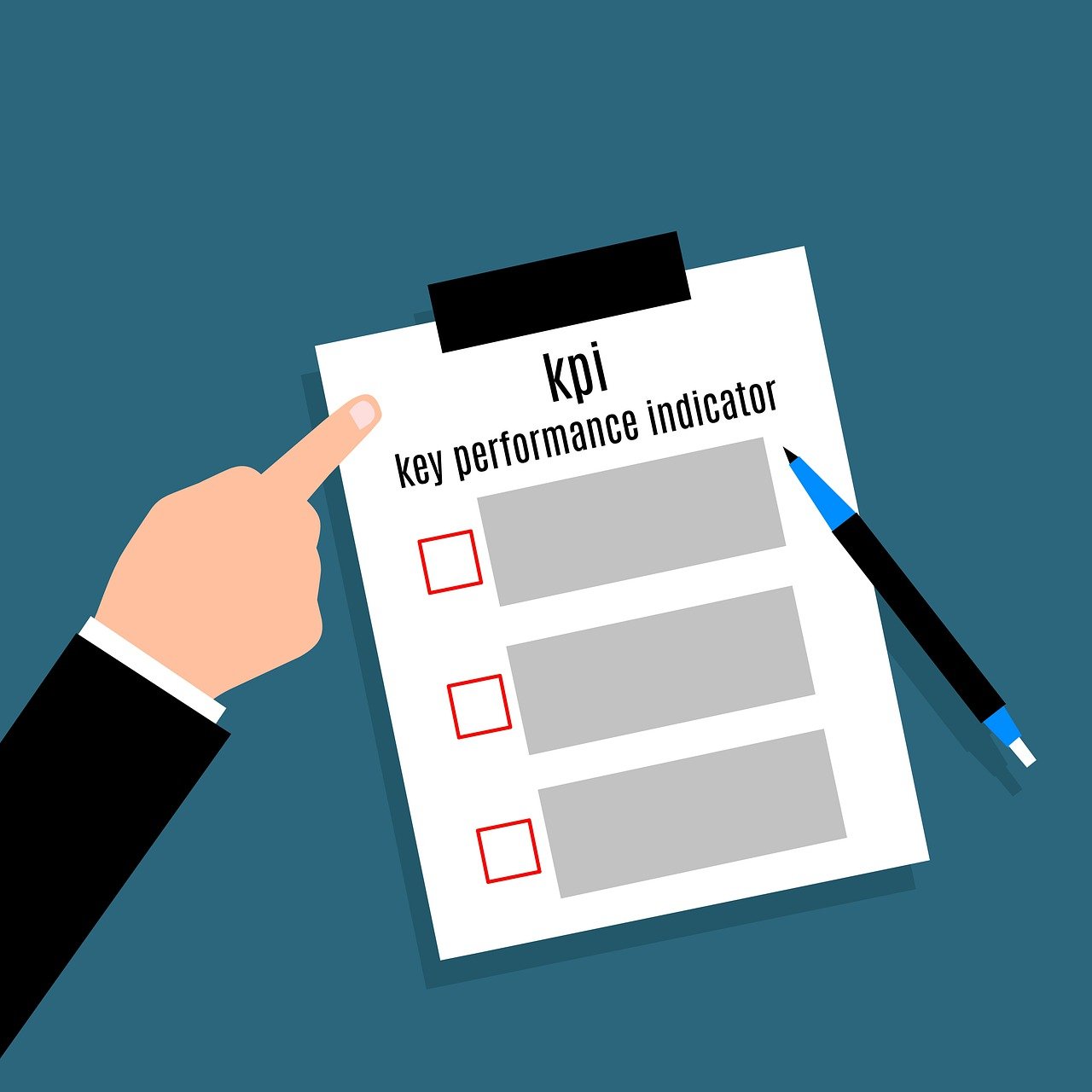
Various methods exist for assessing resource performance within a project management context. Choosing the right approach depends on the project’s nature and objectives. One widely applicable method is using Key Performance Indicators (KPIs). These metrics allow for an objective assessment of how resources meet project targets. Additionally, gathering qualitative feedback through surveys can provide insights into team dynamics and morale. Surveys can enhance the understanding of resource-related challenges faced during project execution. Another method is performance reviews, which involve one-on-one interactions with team members. This ensures a detailed exploration of individual contributions toward project goals. Peer reviews also offer valuable perspectives and facilitate discussions about performance improvements. Stakeholder involvement can also make a big difference in this evaluation process. Collecting feedback from all relevant parties ensures a diverse range of insights is considered. Additionally, project management software can automate data collection, allowing for real-time monitoring. Ultimately, integrating multiple evaluation methods offers a holistic view of resource performance and leads to a more successful project outcome.
Resource performance evaluation also plays a crucial role in risk management strategies. As projects evolve, understanding how well resources perform can identify potential risks associated with underperformance. Addressing performance issues proactively minimizes the risk of potential delays or cost overruns. Establishing clear communication lines serves as a first line of defense against unforeseen disruptions. Regular evaluation ensures any discrepancies or issues are dealt with swiftly. Moreover, data-driven insights highlight performance trends, allowing project managers to anticipate resource shortages or over-utilization scenarios. Knowing when to redistribute resources reduces the likelihood of burnout among team members while maintaining project workflow. Analyzing past data may offer insights into future project challenges. Continuous assessment fosters a culture where adjustments are made in real time, ensuring project objectives are met without sacrificing quality. Embracing flexibility in resource management encourages innovative solutions to emerging challenges. Using evaluation tools and methodologies effectively builds a proactive framework around resource management. Thus, allocating resources efficiently results in enhanced adaptability to changing project requirements and fosters a responsive team atmosphere.
Setting Performance Evaluation Goals
Creating and setting performance evaluation goals is an integral step in managing resources within any project. Clear and well-defined goals provide a solid foundation for understanding expected outcomes. These goals can be categorized into short-term and long-term objectives, catering to various project phases. Short-term goals focus on immediate project needs, providing quick feedback channels for adjusting strategies. Long-term goals, on the other hand, align with overall project aims, guiding resource management to ensure sustainability over time. Both types of goals should be specific, measurable, achievable, relevant, and time-bound (SMART criteria). This clarity fosters accountability among team members, emphasizing the importance of individual contributions. Performance evaluations should reflect those goals, providing clear criteria for success and areas needing improvement. Once goals are established, communicate them effectively to all team members. Doing so ensures everyone is aligned and understands their roles in achieving project outcomes. Regularly revisit and adjust these goals based on ongoing evaluations, promoting agility in resource management. Achieving and exceeding performance goals leads to a culture of success and engagement within a project team.
Incorporating technology into resource performance evaluation enhances efficiency and accuracy. Project management tools equipped with analytical features can assist immensely in tracking performance metrics. These tools often provide real-time data collection, making evaluations swift and accessible. Digital dashboards visualize key performance metrics succinctly, allowing project managers to identify trends quickly. Furthermore, these platforms enable effective collaboration, providing shared spaces for team feedback and performance reviews. This approach streamlines communication among team members and fosters a culture of continuous improvement. Integration of cloud-based technology secures project-related data, ensuring it is accessible anytime and anywhere. Moreover, automation features help significantly reduce administrative burdens and labor associated with manual monitoring. This results in a reduction in human errors associated with performance evaluations. Additionally, learning management systems can facilitate skill assessments highlighting areas where training might be necessary. These systems ensure that team members develop their competencies continually. Ultimately, leveraging technology paves the way for improved insights, ultimately enhancing resource management capabilities and effectiveness across project phases.
Conclusion and Future Trends in Resource Evaluation
As we move into a future dominated by digital innovation, the landscape of resource evaluation continues to evolve. Advancements in artificial intelligence and machine learning promise to transform how project managers assess resource performance. These technologies will automate data analysis, uncovering deeper insights into resource utilization patterns. Moreover, with remote work becoming the norm, flexibility in resource evaluation will be more crucial than ever. This presents new opportunities for evaluating performance digitally. Future trends suggest personalized development plans based on individual performance data, empowering team members to take control of their growth. Enhanced collaboration tools will also positively influence team performance evaluations. By creating environments that prioritize open communication, project managers can gain invaluable feedback in real-time. Additionally, an increased focus on sustainability and ethical resource allocation is emerging in project management discussions. This shift encourages mindful evaluations aligned with broader organizational values. In conclusion, the realm of resource management will undoubtedly continue to adapt. Remaining proactive and open to innovative methodologies will be vital for project success in an increasingly complex landscape.
This is a detail-oriented article providing comprehensive insights into evaluating resource performance in project management contexts. Each section elaborates on key factors influencing team effectiveness and how evaluations, when conducted strategically, can foster growth and improvement. Examining various evaluation methods, technology integration, and future trends makes this discussion particularly relevant to contemporary project management practices. Incorporating diverse perspectives on performance metrics equips teams to respond effectively to emerging challenges.