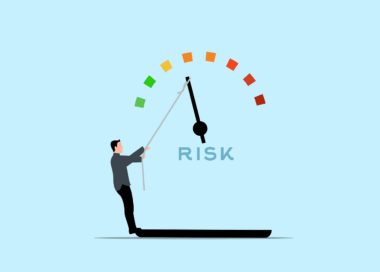

Building a Resilient Brand Amidst Reputational Threats
Reputational risk management is crucial for businesses in today’s transparent marketplace. Maintaining a positive reputation can directly impact customer loyalty and performance. Companies now face new challenges, such as social media backlash and online reviews. Hence, businesses must actively monitor their reputation and resolve emerging issues promptly. Implementing proactive strategies to identify and mitigate risks is essential. These strategies include regular audits of brand perceptions and stakeholder communications. Moreover, businesses should invest in training programs focusing on ethical practices and ensuring employees understand the importance of reputation. Leveraging technology can further assist organizations in tracking mentions across diverse platforms. Additionally, crisis management plans should be well-developed. They need to outline clear actions, communication pathways and point persons during a reputational crisis. This includes appointing a spokesperson who can convey the company’s message clearly and effectively. Leveraging public relations specialists can also aid in crafting responses to any reputational threats. Companies that anticipate risks often fare better in managing crises, ensuring their brands remain resilient amidst challenges. In summary, a proactive approach to reputational management helps maintain a strong brand identity and consumer trust.
Effective communication with stakeholders plays a significant role in reputation management. Companies must maintain transparency when addressing reputational challenges to build trust. This involves engaging in open dialogues and sharing relevant information promptly. Organizations should create platforms for stakeholders to voice concerns or viewpoints, allowing them to feel heard. Additionally, businesses must craft clear messaging during a crisis to minimize speculation and misinformation. Using social media channels to provide updates can help control the narrative. It’s important to address rumors head-on to prevent escalation. Stakeholders appreciate when organizations admit mistakes and take accountability. This can enhance trust and showcase a company’s commitment to improvement. Having a dedicated team to handle reputational management ensures the company remains prepared for unexpected events. Regularly assessing the company’s reputation helps adjust strategies and communications, ensuring effectiveness. Furthermore, soliciting feedback creates opportunities for improvement and enhanced brand loyalty. Companies must embrace feedback as an essential aspect of growth. They must also use metrics to analyze the impact of their reputation management efforts. Continually refining strategies based on insights ensures ongoing resilience against reputational threats prevalent in the corporate landscape.
Strategies to Strengthen Brand Reputation
To strengthen brand reputation, businesses must prioritize customer experience consistently. Positive interactions create a lasting impression, reinforcing loyalty and advocacy. Companies should invest in quality, delivering products and services that meet or exceed expectations. Creating memorable customer experiences drives satisfaction and promotes word-of-mouth marketing, which is invaluable. Companies must swiftly address complaints received via customer service channels. A fast resolution not only mitigates adverse outcomes but can transform a dissatisfied customer into a loyal supporter. Online review management is equally critical; engaging with reviewers and responding to feedback fosters a sense of community. Moreover, sharing customer success stories underscores the organization’s commitment to customer satisfaction. Integrating corporate social responsibility into business initiatives also enhances reputation. Engaging in community practices demonstrates a brand’s commitment to societal welfare. Companies that actively participate in sustainability efforts appeal to eco-conscious consumers and build goodwill. This is necessary for a holistic approach to reputation management. By reinforcing positive experiences and integrating ethical practices, companies can successfully navigate the diverse landscape of reputational risk while fostering lasting relationships with stakeholders.
Monitoring the digital landscape is vital for effective reputational risk management. Businesses need to actively track brand mentions across various platforms. This proactive monitoring helps detect potential issues before they escalate into larger crises. Tools for social listening can assist in aggregating and analyzing sentiments regarding the brand. Companies should also regularly conduct sentiment analysis to gauge public opinions. Keeping a close watch on competitor activity provides insights to adapt strategies accordingly. Additionally, conducting regular surveys enables companies to gather direct feedback from stakeholders. This aids in understanding perceptions and expectations. Feedback channels, including social media and email surveys, should be readily accessible. Furthermore, engaging in industry forums and communities allows organizations to connect personally. Being part of discussions can provide a clear perspective on what matters to target audiences. Companies should leverage data analytics to inform decision-making and predict potential risks. Embracing innovation helps organizations remain resilient. By staying attuned to consumer preferences and market trends, brands can effectively manage risks associated with reputational threats while enhancing their presence and image in the competitive landscape.
The Role of Leadership in Reputation Management
Leadership plays a crucial role in fostering a culture of accountability and transparency. Leaders must set the tone for how reputational risks are addressed within the organization. This involves modeling ethical behavior and encouraging open communication across all levels. Investing in leader education around reputational risks helps drive awareness and understanding of potential issues. Having leaders who actively participate in training initiatives reinforces their commitment to reputation management. Additionally, involving leadership in crisis simulations prepares the organization for real-world scenarios. Leaders should outline their expectations and maintain open lines of communication to empower employees. Creating cross-functional teams allows for diverse insights during decision-making processes. Regular check-ins and updates strengthen the alignment of organizational goals with reputation management efforts. Furthermore, showcasing organizational values in leadership practices builds credibility. Leaders must also be open about challenges faced by the organization, fostering a sense of unity and collaboration. By demonstrating genuine concern for stakeholder welfare, they can enhance the company’s reputation, ensuring its resilience against potential threats and contributing positively to overall brand equity.
Engaging in corporate social responsibility activities can significantly bolster a brand’s reputation. Consumers increasingly support businesses demonstrating a commitment to societal improvement and ethical practices. Initiating philanthropic efforts, whether local or global, showcases a company’s dedication to making a difference. These efforts can include sponsoring community events, providing financial support to charitable organizations, or supporting local artisans. By nurturing community relationships, brands can organically build goodwill. Furthermore, engaging employees in CSR initiatives enhances their connection to the organization. Employees feel proud to work for socially responsible brands, further solidifying loyalty. Companies must also communicate their CSR activities effectively. This involves showcasing initiatives through marketing materials and social media channels to reach broader audiences. Highlighting stories of impact reinforces the message that the organization cares about societal outcomes. Moreover, collaborating with reputable non-profits amplifies credibility and reach. Consumers appreciate brands that align themselves with causes they believe in. This collaboration creates alignment and fosters long-term relationships. Ultimately, aligning business objectives with social impact generates positive brand perceptions, enhancing resilience against reputational threats while promoting sustainable growth.
Future Trends in Reputational Risk Management
The landscape of reputational risk management continues to evolve. In the digital age, companies must prepare for emerging challenges, including data privacy and cybersecurity threats. Consumers become increasingly vigilant about how their personal data is used. Organizations must prioritize data protection measures and communicate privacy policies transparently to maintain trust. As technology advances, reputation risk management will leverage artificial intelligence for monitoring. AI tools can analyze vast amounts of data to identify emerging trends and potential crises efficiently. Businesses will need to embrace these advancements to stay ahead of the competition. Furthermore, as social media platforms evolve, their influence on reputational risk will only grow. Companies must adapt strategies to engage with consumers across diverse channels effectively. A robust digital marketing strategy should emphasize reputation management throughout. In addition, organizations must prepare for the rise of influencer partnerships. Collaborating with reputable influencers can enhance brand image and serve as a proactive measure against reputational threats. Ultimately, staying adaptable and invested in technology will empower companies to navigate future risks, ensuring their brands remain resilient in an ever-changing landscape.
The importance of having crisis communication plans cannot be overstated. In moments of significant distress, businesses often face unprecedented scrutiny. Preparing a comprehensive communication strategy ensures that organizations respond swiftly and coherently. This involves designating a clear spokesperson, managing internal communications, and providing updates to stakeholders. Additionally, creating job aids detailing response scenarios equips team members with the necessary information to guide their communication efforts. Training sessions should be conducted regularly to keep everyone informed and prepared. Moreover, rehearsing crisis situations through simulations can solidify readiness. In today’s fast-paced environment, social media serves as an essential component of effective crisis communication. It can facilitate the dissemination of information and updates, reducing misinformation risks. Companies must be proactive and direct in their communication efforts, sharing their actions to rectify the situation. This approach can help rebuild trust and improve stakeholder perceptions. Moreover, it helps reassure employees and customers that the organization responsibly addresses challenges. Thus, companies that invest time and resources into crafting robust crisis communication plans stand a better chance of preserving their reputation even during adverse events.