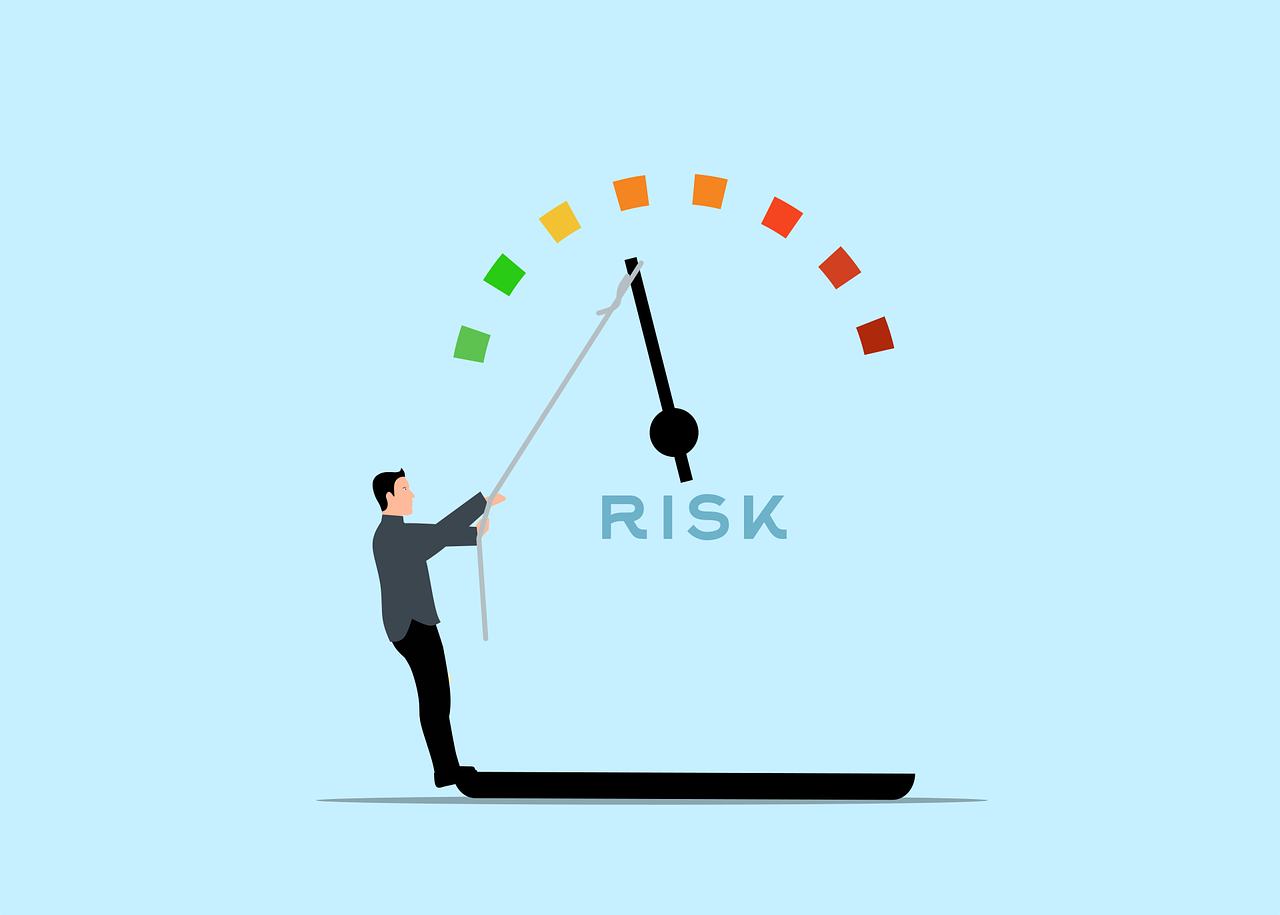

The Evolution of Risk Management Post-Financial Crisis
The financial crisis of 2008 ushered in a new era for risk management practices across various sectors. Prior to this crisis, many firms operated under outdated models, focusing excessively on historical data without adequately incorporating forward-looking scenarios. The fallout from the crisis revealed significant deficiencies in these models and methodologies, forcing firms to rethink their risk management strategies completely. As regulatory frameworks evolved globally, the integration of risk management with business strategies became paramount. Organizations began to prioritize transparency and the adoption of sophisticated analytical tools. They now utilize stress testing, scenario analysis, and other risk assessment tools to better predict potential adversity. Moreover, the shift to enterprise risk management has allowed businesses to understand the interconnections within their operations more clearly. This holistic approach helps in identifying and mitigating risks that span across different business units. The lessons learned from the past have instigated a cultural shift toward proactive risk assessments. Consequently, firms that adapt to these new standards are not only ensuring compliance but are also remaining competitive in a rapidly changing environment.
In addition to internal restructuring, the financial crisis significantly impacted the way organizations approach external risks. Regulations such as Basel III have introduced stricter capital requirements, pressuring firms to reevaluate their risk exposures. The emphasis has shifted from merely meeting compliance to fully understanding different risk dimensions like credit, market, and operational risks. Organizations are investing in advanced risk analytics which provide deeper insights into potential vulnerabilities. This technological leap enables them to better anticipate challenges and reduce potential losses, enhancing overall resilience. Furthermore, the adoption of big data and machine learning in risk management is becoming increasingly prevalent. By harnessing these technologies, organizations can analyze vast datasets to identify emerging risks and trends more effectively. Continuous monitoring has also gained traction, allowing firms to detect anomalies in real-time. As a result, organizations can react more swiftly to unfolding danger signals, fostering a culture of responsiveness. This dynamic environment fosters innovation and agility, encouraging businesses to iterate on their risk management frameworks continually. By embracing these changes, firms can not only survive future crises but also thrive amid uncertainties.
Risk Management Technological Advancements
The integration of technology has transformed traditional paradigms in risk management significantly. In the wake of the financial crisis, data analytics emerged as an indispensable tool for firms seeking to refine their risk assessment processes. Companies are leveraging technology to gather, analyze, and interpret data in real-time packages, allowing timely decision-making. Moreover, the implementation of predictive modeling is gaining momentum, enabling organizations to forecast potential risks based on historical data trends. By employing sophisticated algorithms, firms can address risks in a more structured manner. The growth of fintech has also been instrumental in reshaping risk management practices. With startups introducing innovative risk assessment solutions, established firms are compelled to adapt methodologies to stay competitive. Automation of risk reporting and compliance processes helps reduce manual errors, thereby enhancing accuracy and efficiency. Additionally, the emergence of cloud computing solutions has facilitated better data sharing between departments, allowing for a more cohesive approach to risk management. As companies continue to embrace digitization, collaborative platforms provide risk managers with insights previously difficult to obtain, fostering an environment where proactive risk mitigation becomes standard practice.
Another crucial aspect is the emphasis on enhancing the risk culture within organizations. Developing a strong risk-aware culture is essential for effective risk management. Top management is increasingly recognizing how fostering an organizational culture that prioritizes risk awareness can stimulate proactive engagement from all employees. This involves using targeted training programs to educate staff about risks and their implications. Behavior-centric strategies, such as reward systems for proactive risk identification, help motivate employees to contribute to the organization’s overall risk framework. The basis of this culture relies heavily on open communication about risks within the workplace and beyond. Transparent dialogue encourages sharing information about potential threats across departments, creating a collaborative environment that promotes collective responsibility. Additionally, the role of risk management professionals has evolved. They are now seen as strategic partners rather than mere compliance officers. By actively participating in decision-making processes, risk managers are adding value to organizations by providing insights based on a holistic understanding of risks. This evolution marks a significant shift away from the silo mentality previously prevalent within organizations.
Impacts of Globalization on Risk Management
The rapid globalization of markets has introduced new complexities and unforeseen risks into risk management strategies. As companies expand their operations globally, they encounter diverse regulatory environments and varying economic conditions. This necessitates a deeper understanding of geopolitical risks and their potential impact on business operations. Organizations must develop the capability to assess risks associated with cross-border transactions and currency fluctuations. Furthermore, global supply chains expose firms to operational risks that can disrupt processes significantly. In response, risk management protocols must account for potential threats arising from global dependencies, particularly in critical supply chain components. The recent pandemic has further illustrated vulnerabilities present in interconnected systems, exemplifying how localized events can have worldwide repercussions. Risk managers are now required to use advanced analytics and simulation models to evaluate the potential impacts of global events on local operations. This comprehensive approach enables businesses to prepare for scenarios encompassing both international and domestic variables. By understanding these complexities better, firms can enhance their resilience, adopting measures such as diversified supply chains or localized sourcing strategies to mitigate these risks effectively.
Moreover, regulatory advancements necessitate ongoing adaptation within risk management frameworks. With new regulations emerging constantly, risk managers are tasked with navigating these complex compliance landscapes efficiently. The evolution of data privacy laws, such as GDPR in Europe, has redefined how organizations handle customer information. The requirement for transparency in data handling imposes stringent guidelines that compel businesses to adopt robust data governance practices. Consequently, organizations are investing in compliance technology to streamline adherence to these evolving regulatory demands. This integration of compliance with risk management practices reinforces the necessity of aligning these two functions effectively. A collaborative approach helps organizations mitigate risks associated with non-compliance, thereby safeguarding reputation and financial stability. Additionally, regulatory stress tests have become a fundamental component of risk management strategies, forcing institutions to evaluate their preparedness for adverse economic conditions. By embedding these practices into core operations, businesses cultivate a culture of preventive compliance, minimizing risks before they escalate. As the regulatory landscape continues to evolve, embracing flexibility and agility in risk management remains a priority for organizations aiming to thrive in this challenging environment.
Future Directions in Risk Management
Looking forward, the trajectory of risk management is set to continue evolving as technologies advance and market dynamics shift. The adoption of Artificial Intelligence (AI) is expected to revolutionize traditional risk management processes. Organizations are beginning to employ AI-driven tools that provide insights into risk profiles more accurately than human counterparts. By automating data analysis, AI enhances risk prediction capabilities significantly, allowing firms to proactively manage threats before they materialize. Moreover, emphasis on environmental, social, and governance (ESG) risks is growing, driving organizations to incorporate sustainability into their risk frameworks. The recognition that corporate activities can profoundly impact societal issues is shaping decision-making processes across various sectors. Organizations that embrace proactive ESG risk management strategies will likely enhance their reputations and foster customer loyalty. Furthermore, the increasing complexity of cyber risks necessitates a tailored approach to cybersecurity within risk management practices. As malicious cyber activities evolve, understanding the implications on organizational structures, processes, and data becomes vital. Firms that invest in integrated risk management solutions that incorporate cyber risk will not only protect themselves but also position themselves as leaders in an increasingly interconnected and vulnerable digital landscape.
In conclusion, the evolution of risk management post-financial crisis exemplifies how industries can adapt to changing landscapes. The shift towards a holistic risk management approach reflects a need for organizations to become more resilient amid growing uncertainties. As technology continues to reshape the field, organizations must embrace innovation and invest in their risk culture to thrive. This evolution emphasizes the importance of collaboration across departments, creating a shared responsibility for risk management. Companies that maintain an agile approach to their risk management frameworks are better positioned to respond to emerging challenges. The journey ahead is filled with complexities, but organizations equipped with advanced analytical tools and a proactive mindset can navigate these challenges effectively. Risk management has transcended being merely operational; it is becoming integral to strategic decision-making processes. Consequently, organizations are reminded of the valuable lessons learned from past crises and the imperative to continuously improve and refine their risk management strategies. Looking to the future, firms that embrace change will undoubtedly lead the charge in establishing more robust frameworks that safeguard against vulnerabilities and seize new opportunities.