
The Role of Financial Education in Teen Development
Financial literacy is increasingly recognized as an essential skill for adolescents. As we navigate through an evolving financial landscape, the need for teenagers to understand money management becomes critical. Young people are often faced with significant decisions regarding spending, saving, and investing, making financial education crucial. Proper guidance equips them to make informed choices when it comes to credit cards, loans, and budgeting. Additionally, developing these skills at a young age can alleviate anxiety and build confidence in financial matters. Schools and parents need to collaborate on financial education initiatives to enhance students’ knowledge. Exposure to topics such as interest rates, inflation, and the importance of saving can empower teens. Financial literacy doesn’t just impact individual choices; it influences overall economic stability. Quality programs can create a culture of accountability, paving the way for responsible financial behavior. Enabling teens to understand their financial circumstances helps them establish sound financial foundations. Ultimately, thriving financially leads to improved quality of life, minimized stress, and greater opportunity for future endeavors in adulthood.
The Impact of Financial Knowledge on Future Success
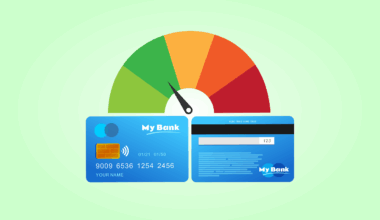
The concepts learned through financial literacy significantly impact the path toward adulthood for adolescents. Understanding personal finance fosters a sense of responsibility and discipline among teens, traits that are vital in today’s fast-paced world. Teens who engage in financial education can better manage their resources, budgeting for both short and long-term goals. This skill translates into more strategic life decisions, such as choosing educational paths or career trajectories. Moreover, financial literacy helps prevent common pitfalls that lead to excessive debt and poor financial habits. Teens equipped with this knowledge are less likely to fall into traps set by credit card companies and predatory lenders. With proper guidance, they develop a better understanding of their credit scores and how to maintain them effectively. Furthermore, this foundation allows them to appreciate the long-term consequences of financial decisions. A financially literate generation is less susceptible to economic downturns and more equipped to navigate the complexities of the financial world. Thus, embedding these principles into educational curricula serves not only individual students but society as a whole, promoting economic well-being.
One of the primary avenues for imparting financial literacy to teens is through school programs. Schools should integrate financial education into existing curricula, ensuring that students receive instruction on budgeting, saving, and investing. This practical knowledge is vital in enabling students to manage their finances effectively upon graduation. Teachers can implement engaging lessons that incorporate real-life scenarios. Practical applications such as classroom simulations of financial markets or budgeting exercises enhance the learning experience. Collaboration with financial experts can yield guest lectures or workshops, providing students with firsthand knowledge. To engage students, schools can host financial literacy fairs, showcasing different aspects of personal finance through interactive exhibits. Additionally, afterschool programs focusing on financial topics can nurture interest while reinforcing classroom learning. Furthermore, parents play an essential role in their child’s financial education, guiding discussions at home. Open dialogues about money allow young individuals to form their views on spending and saving. Educational resources, such as books or online courses, can further supplement classroom knowledge. Together, these initiatives create a comprehensive approach to teaching financial literacy to teens.
Real-World Applications of Financial Education
Incorporating real-world applications of financial literacy equips teens with the skills they need to navigate their financial journeys. With technology and apps accessible, teenagers can learn while engaging with modern tools. Savings apps and budgeting software provide practical examples of managing finances, allowing users to track spending and set goals. Additionally, simulating investment through stock market games can introduce concepts of growth and risk, fostering their decision-making skills. By interacting with these tools, teens can observe the consequences of their financial choices in a low-stakes environment. Engaging them in discussions about current events, such as market trends or economic news, further contextualizes their learning. Most importantly, real-life scenarios will help to reinforce lessons learned in the classroom. Students can participate in projects that involve personal finance audits or plan family budget scenarios. Peer-led workshops can be a powerful method to share knowledge and experiences. Ultimately, fostering a culture of financial literacy nurtures a safe space for teenagers to ask questions and express concerns about their finances. A well-informed adolescent makes better financial decisions, leading to more significant success in their adult lives.
Parental involvement is a significant factor in fostering financial literacy among teenagers. Parents must take the initiative to engage in discussions around money management at home, ensuring their children feel comfortable discussing finances. These conversations often provide a supportive environment for teens. Practical family activities, such as creating a family budget or planning a savings goal for a vacation, allow teens to apply their financial learning in real settings. Sharing personal experiences with spending, saving, and investments enables parents to model responsible financial behavior. Additionally, utilizing teachable moments, such as grocery shopping, can help illustrate concepts such as comparison shopping and bargain hunting. Highlighting the importance of saving and investing for future goals can further drive home essential principles. By connecting lessons to their own experiences, parents can instill value in financial literacy. Moreover, online resources and activities can be employed to strengthen financial conversations within the family. Parents can also encourage teens to explore financial topics on their own, recommending websites or videos. By actively participating in their child’s financial education, parents can significantly influence their attitudes toward personal finance.
Building a Community Around Financial Literacy
Creating a community that values financial literacy is crucial in reinforcing the principles taught to teens. This can take shape through partnerships between schools, families, and local businesses focused on fostering financial education. Workshops that invite community members to share their financial journeys can motivate teens. Local banks or credit unions can sponsor events that teach practical financial management skills, increasing community engagement. Moreover, forming clubs dedicated to finance in schools allows students to delve deeper into financial topics while collaborating with peers. These clubs can facilitate discussions about various financial instruments and investment strategies, making learning interactive. Involving financial professionals as mentors can enrich students’ understanding by providing insight into real-world applications. Schools can also leverage digital platforms to reach a broader audience, offering online seminars or virtual workshops that can be accessed by parents and teenagers alike. Promoting financial literacy through community outreach fosters a supportive culture that emphasizes the significance of money management. When teens see adults valuing financial education, they are more likely to adopt similar attitudes, creating a cycle of informed financial practices.
Finally, evaluating the impact of financial education initiatives on teenagers is essential to gauge their effectiveness. Feedback from students, parents, and educators can identify strengths and areas for improvement. Regular assessments of financial literacy programs allow stakeholders to adapt content and methodology to better suit student needs. Implementing pre- and post-program evaluations can provide insights into changes in knowledge and attitudes toward personal finance. Furthermore, tracking participants’ financial decisions in the years following their education can illuminate long-term benefits related to financial literacy. Collaboration among educational institutions can yield best practices, facilitating the sharing of resources and strategies. As financial education evolves, staying current with trends and technological advancements is critical. By continuously assessing and updating these programs, educators ensure students receive the most relevant and impactful financial knowledge. Ultimately, evaluating and fine-tuning financial literacy initiatives cultivates a generation of financially savvy individuals. These efforts contribute to broader societal changes, ultimately leading to improved financial stability and prosperity for everyone. Becoming financially literate not only empowers teens as individuals but also strengthens the community at large.
This final concluding paragraph of the article summarizes key insights and reinforces the importance of financial education for teenagers. As they transition into adulthood, the choices they make in regard to finances shape their future. Instilling solid financial habits and knowledge lays the groundwork for lifelong success. Encouraging engagement through practical applications ensures that the lessons taught resonate effectively. Therefore, financial literacy must be an integral aspect of education, driving home the necessity for informed decision-making. By supporting teens in understanding their financial situations, communities foster a generation of financially responsible adults. The focus on financial education can eliminate mismanagement and debt. Promoting lifelong learning encourages habits that lead to better outcomes. The knowledge gained can create opportunities for empowerment and personal growth. As the world grows increasingly complex, understanding financial principles is invaluable. Ultimately, financial literacy serves as a cornerstone to achieving one’s goals and aspirations. It is essential for schools, families, and communities to unite in their efforts to promote financial education. When equipped with the right skills, teens can forge a secure financial future, paving the way for a prosperous society.