
Trading Platforms Tailored for Professional Traders
In the world of finance, professional traders require advanced trading platforms that cater to their specific needs. These platforms offer a wide range of tools designed to optimize trading strategies and enhance user experience. Key features often include advanced charting, algorithmic trading capabilities, and robust analytics. Platforms like MetaTrader 4 and 5 are immensely popular due to their user-friendly interfaces and extensive support for automated trading. Furthermore, the ability to customize layouts and indicators is crucial for traders who rely on technical analysis. Moreover, integration with various electronic communication networks (ECNs) allows for seamless execution of trades. Traders seeking to use these platforms can often benefit from lower transaction costs based on their trading volume. Additionally, many platforms offer direct market access, which is essential for traders looking to engage in high-frequency trading. The stringent requirements of compliance and risk management can also be efficiently managed through these trading solutions. As the trading landscape continues to evolve, having the right platform becomes increasingly pivotal for success in achieving favorable trading outcomes.
Security features are paramount when selecting a trading platform. Professional traders often deal with significant amounts of capital, making them ideal targets for cybercriminals. Consequently, robust security protocols must be in place to protect sensitive data and trading information. Encrypted communications, two-factor authentication (2FA), and advanced firewalls are some of the essential safeguards. A reputable trading platform should also be regulated by financial authorities, ensuring transparency and accountability. Regulation increases trustworthiness, providing users with peace of mind as they engage in trading activities. Traders should also consider platforms that offer risk management tools. These tools, such as stop-loss and take-profit orders, can help mitigate losses and secure profits. Additionally, an intuitive user interface can make a substantial difference in the decision-making process. Learning curves can be steep, and a user-friendly setup facilitates smoother trading experiences. Therefore, professionals must evaluate the onboarding process and available learning resources provided by each platform. Efficient customer support becomes equally essential as traders need timely assistance, particularly during critical trading hours. Thus, understanding the support channels offered by trading platforms should be one of the top priorities.
Access to Market Data
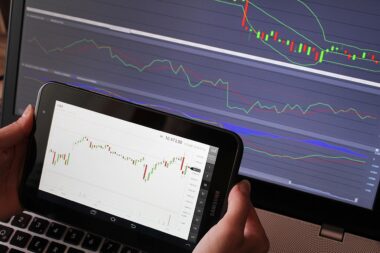
Access to real-time market data can make or break a trader’s decision. Professional trading platforms typically provide comprehensive market insights, including live price feeds and economic calendars. Some platforms provide institutional-grade data to enhance trading precision. This can significantly improve their trading strategies and responsiveness to market conditions. In addition to real-time data, historical performance analytics can help traders refine their strategies. The ability to backtest trading strategies using historical data is another essential feature for many traders. Alongside this, platforms that incorporate advanced charting tools allow traders to visualize trends effectively. Candlestick charts, moving averages, and other technical indicators provide a clearer picture of potential market movements. Platforms that maintain an extensive library of analytical tools are often favored by professionals. Enhanced technical analysis can lead to informed trading decisions, backed by empirical data. Furthermore, access to diverse asset classes, such as commodities, forex, and cryptocurrencies, expands the trading opportunities. This diversification can be pivotal in managing risk and capitalizing on various market dynamics. Overall, the integration of quality market data significantly impacts trading strategy performance and improves overall success.
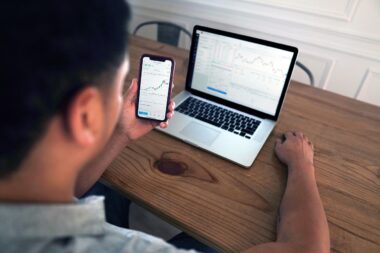
Mobile trading capabilities represent another critical need for professional traders. The ability to trade on-the-go has transformed how trading is conducted in recent years. Mobile applications allow traders to manage their portfolios, execute trades, and monitor market conditions from anywhere. This level of accessibility necessitates robust application development standards to ensure functionality mirrors desktop versions. Traders require speed and efficiency when operating through mobile platforms. Features such as one-click trading options and push notifications provide instant updates on market movements. Additionally, advanced security measures should also apply to mobile platforms. Developers must prioritize securing sensitive information against unauthorized access. Moreover, synchronization with desktop platforms enhances the user experience, allowing for seamless transitions between devices. Other complementary features may include customizable dashboards and integration with additional trading tools. As mobile trading continues to expand in popularity, platform developers are increasingly focusing on enhancing mobile performance. Therefore, choosing a platform that balances both desktop and mobile capabilities is essential for those committed to successful trading. This transition to mobile trading epitomizes a broader technological evolution in financial markets.
The Role of Community and Collaboration
One underrated aspect of professional trading platforms is the role of community and collaboration. Many platforms are implementing social trading features, allowing traders to share insights, strategies, and market analyses in real-time. This community-driven approach can provide valuable support and foster growth among participating traders. Pro traders can share their approach and receive feedback from less experienced individuals, helping to elevate the entire trading community. Social trading offers a platform for the observance of trading psychology and decision making from various perspectives. Furthermore, engaging in a collaborative environment can help demystify certain trading strategies. Users can learn collectively through webinars, forums, and discussion boards provided within these platforms. These features enable knowledge exchange, empowering users to enhance their skills and strategies effectively. As the trading landscape grows more competitive, the importance of having an advantageous network cannot be overstated. Additionally, integrating these community aspects helps create a more engaged user base. Traders who actively participate in discussion forums often evolve their trading tactics more dynamically, adapting more readily to changing market conditions. Hence, community engagement can spark innovation and foster a sense of belonging.
Customization options add tremendous value to trading platforms tailored for professionals. Each trader has unique preferences and strategies, hence the need for platforms that can adapt accordingly. Customizable interfaces enable traders to position tools, charts, and indicators to align with individual workflows. This can help streamline the trading process and enhance overall efficiency. Platforms that support third-party integrations allow advanced functionalities through tools like algorithmic trading systems and signal providers. Customization can also extend to executing trades, where users can automate certain strategies, freeing up valuable time for other analyses. A significant percentage of successful traders rely on automated trading features to execute trades in a timely manner. Additionally, traders focus on the ability to create custom indicators and alerts, ensuring they don’t miss critical market movements. Sophisticated alarm settings can notify them of price changes, ensuring on-the-spot reactions. As trading strategies evolve, the need for flexibility and customization also rises. Thus, trading platforms designed with flexibility can adapt to the changing requirements of their users. In turn, this adaptability directly correlates with improved trading performance. Hence, selecting a platform with customizable features is pivotal.
Final Thoughts on Trading Platforms
In conclusion, choosing the right trading platform is a crucial decision for professional traders. Factors such as security, support, access to data, and customization capabilities play significant roles in platform selection. Traders must assess these elements carefully to find a platform that aligns with their trading goals. A comprehensive evaluation should include personal preferences about mobile capabilities, community involvement, and ease of use. By narrowing down priorities, traders can make informed choices that boost their trading effectiveness. Furthermore, platform reviews and comparisons serve as valuable resources during this selection process. Engaging with other traders in forums can also highlight experiences that help inform decisions. Ultimately, a well-suited trading platform fosters confidence and competence, leading to more consistent trading performance. As technology continues to advance, the potential for improvement in trading platforms remains high. Staying informed about the latest features and innovations is essential for traders wanting to maintain a competitive edge. Thus, it’s a continuous journey requiring commitment and adaptation. Successful trading goes beyond skill; it’s also about the environment and tools available to the trader.
A seamless transition between desktop and mobile platforms, robust community engagement, and highly customizable options enhance a trader’s experience significantly. These features make a platform suitable for serious, professional trading. Furthermore, it’s beneficial to remain up-to-date with platform updates and improvements to stay competitive. By understanding market trends and leveraging technology effectively, traders can truly excel. The landscape of trading platforms is dynamic, constantly adapting to evolving trader needs. As the investment community continues to seek innovation, platform developers are expected to follow suit. This evolution not only benefits professionals but also raises the overall standards of trading platforms available today. With sophisticated tools and a strong community, trading becomes a more engaging and potentially rewarding venture.