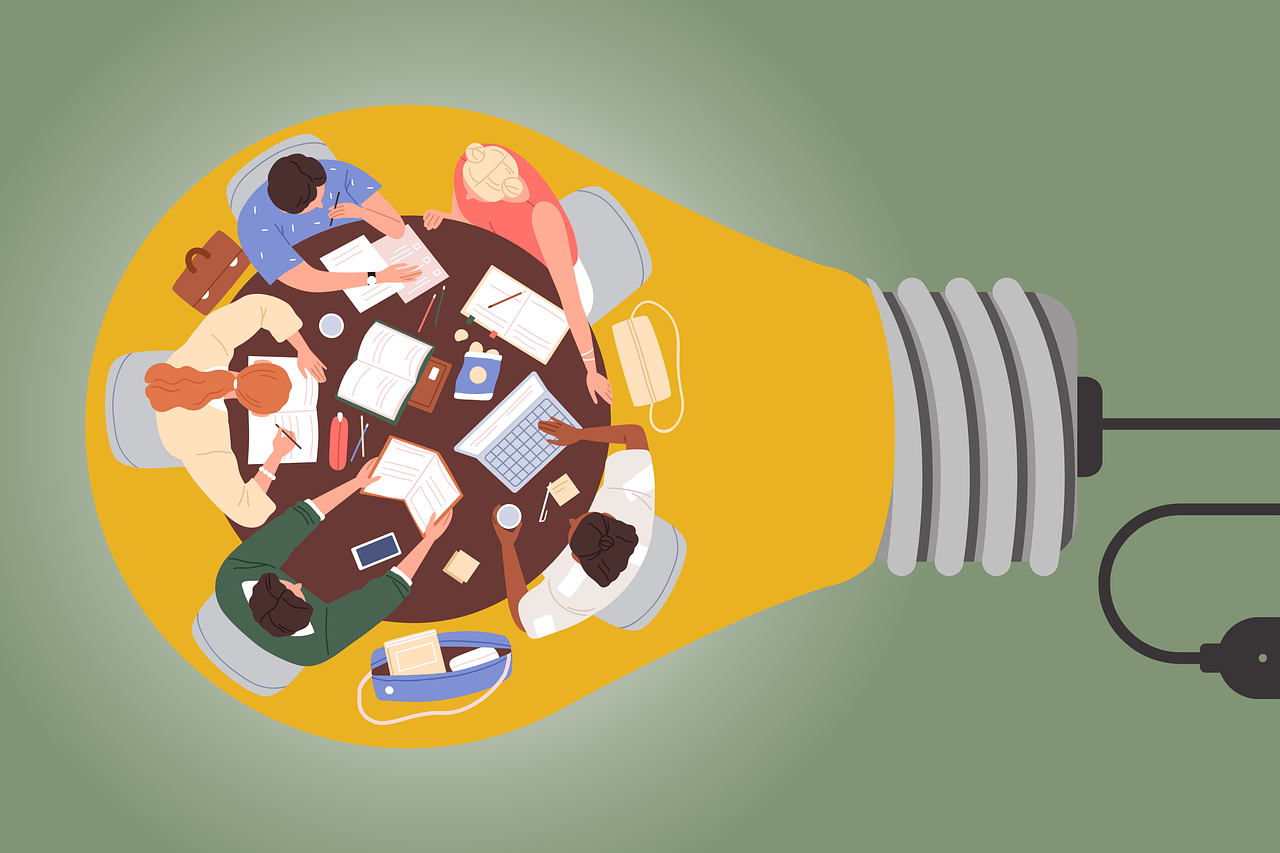

Innovative Approaches to Team Development
In today’s dynamic business landscape, innovation in team development is critical for fostering a productive environment. Embracing approaches such as agile methodologies, organizations can enhance collaboration among team members. Agile techniques promote flexibility and quick response to changes, which are essential in meeting market demands. By integrating frameworks like Scrum, teams can focus on iterative progress and regular feedback loops. Additionally, leveraging technology tools like project management software further streamlines processes, ensuring that communication remains clear and effective. Tools such as Slack and Trello have gained popularity for their user-friendly interfaces, allowing real-time collaboration. Involvement in team-building activities also aids relationship building, creating a more cohesive unit. These strategies empower teams, making them more resilient to challenges, and enhancing their overall effectiveness. The use of regular brainstorming sessions encourages team members to share ideas spontaneously, fostering creativity. Offering training opportunities focused on teamwork can equip members with essential skills to navigate conflicts efficiently. Furthermore, continuously tracking performance metrics ensures ongoing progress, driving further improvements. The ultimate goal is to create an adaptive team culture that thrives on collaboration and innovation.
Establishing a sound team culture is essential for achieving sustained collaboration. Creating values-centered practices helps align individual goals with team objectives. Start by defining core values that resonate with all team members, which cultivates a sense of belonging. Regular meetings should reinforce these values, promoting accountability throughout the team. Implementing peer feedback systems creates a workspace where individuals can grow collectively. Peer recognition through rewards or simple gestures can motivate team members to contribute meaningfully. Activities designed for fun can also help strengthen bonds, bolstering morale and enhancing productivity. An environment where ideas can flow freely is vital for innovation; thus, creating channels for open dialogue is necessary. Also, incorporating inclusive practices ensures every voice is heard, amplifying the potential for fresh perspectives. Transparency in decision-making processes builds trust, making collaboration more effective. When team members feel valued, they are more prone to engage actively and invest their ideas for achieving common goals. Ultimately, a healthy team culture nurtures collaboration that transcends traditional methods, paving the way for enhanced initiatives and sustainable growth.
Leveraging Diversity for Innovation
Diversity within teams plays a crucial role in fostering innovation and creativity. By bringing together individuals from various backgrounds, organizations can harness unique viewpoints and skill sets. This synergy leads to enhanced problem-solving, as team members approach challenges from different angles. It is essential to create an inclusive environment where diverse perspectives are celebrated. Regularly conducting workshops on diversity awareness can help in creating understanding among team members. These workshops should emphasize the importance of collaboration across cultures, promoting empathy and respect. Furthermore, assessing team composition regularly ensures a balance of talents and promotes equitable participatory opportunities. A diverse team is more capable of generating innovative ideas because varied experiences contribute significantly to brainstorming sessions. Research has shown that diverse teams outperform more homogeneous ones, partially due to their ability to generate creative solutions. Additionally, leaders should actively promote diversity initiatives and champion underrepresented voices. Prioritizing diversity in hiring practices is essential to building a robust team capable of driving creativity and responsiveness. Ultimately, leveraging diversity not only enhances collaboration but also positions the company competitively in a global market.
Emphasizing emotional intelligence improves team dynamics and collaboration effectiveness. Emotional intelligence involves recognizing and managing one’s emotions and understanding others’ feelings. Teams with high emotional intelligence navigate conflicts better, leading to improved communication and cooperation. Workshops and training in emotional intelligence can equip team members with necessary skills to enhance collaboration. Activities designed to increase self-awareness and empathy are particularly beneficial, fostering an environment where team members respond compassionately to challenges. Regular check-ins create opportunities for team members to express concerns and suggest improvements. Building rapport leads to a comfortable environment where collaboration flourishes. Additionally, developing a culture of shared emotional experiences strengthens bonds among team members, fostering loyalty and commitment. Effective leaders recognize the importance of emotional intelligence, modeling these behaviors and inspiring teams to do the same. Incorporating regular feedback sessions allows for constructive discussions, leading to accelerated growth. Further, promoting mindfulness practices within teams has shown potential to reduce stress and increase focus. Therefore, investing in emotional intelligence is vital for enhancing overall team performance and fostering an atmosphere of collaboration that encourages engagement and participation.
The Role of Technology in Team Development
Technology has revolutionized team development through innovative tools and platforms that enhance collaboration and communication. Utilizing cloud-based solutions provides instant access to files and documents, allowing teams to work together effortlessly, regardless of location. For example, platforms like Google Workspace enable real-time collaboration on projects, making it easier to share ideas and gather feedback. Embracing video conferencing tools has transformed traditional meetings into flexible engagements, allowing team members to connect globally. Furthermore, utilizing project management software helps in tracking tasks and deadlines efficiently. This organized approach keeps team members accountable and helps prioritize critical deliverables, minimizing confusion and miscommunication. Additionally, integrating automation tools can streamline repetitive tasks, allowing teams to focus on more strategic initiatives. Collaborating with data analytics can facilitate informed decision-making, enabling teams to pivot quickly based on visitor insights and performance metrics. Therefore, investing in the right technology empowers teams to optimize their collaborative efforts, improving productivity and creativity. Ultimately, technology adapts to meet evolving team needs, ensuring they remain relevant in today’s fast-paced business environment.
Listening and communication skills are foundational to effective team collaboration. Active listening fosters a culture where team members feel comfortable expressing ideas, which is vital for generating innovative solutions. Workshops focused on communication techniques can improve interpersonal skills, reducing misunderstandings and fostering clearer expression of thoughts. Implementing regular feedback mechanisms allows for open discussions where members can voice opinions constructively, driving improvements. Equally, the traditional hierarchy within teams should be revised to encourage egalitarian communication paths. Encouraging team members to offer suggestions and solutions empowers them and builds confidence. Additionally, utilizing interactive platforms for brainstorming encourages all members to contribute, enhancing group engagement. Regularly rotating leadership roles within teams can also cultivate diverse communicative styles, enriching collaboration. Listening closely to others enhances empathy, which is crucial in collaborative environments. Moreover, leveraging storytelling as a technique can help convey ideas and objectives more compellingly, creating emotional connections among team members. Therefore, fostering strong listening and communication skills is critical to unlocking the full potential of collaboration within teams, fostering an accurate understanding of roles, objectives, and goals.
Measuring Team Effectiveness and Collaboration
Regular assessment of team effectiveness is essential for continuous improvement in collaboration. Defining clear performance metrics helps evaluate how well teams function and where enhancements can be made. Surveys focusing on team dynamics and collaboration effectiveness provide critical insights into member satisfaction and possible issues. Conducting assessments can identify strengths and areas for development, enabling teams to craft strategic initiatives to address shortcomings. Additionally, incorporating qualitative feedback from team discussions can provide a clearer understanding of team interactions and dynamics. Establishing regular review meetings allows teams to reflect on ongoing projects collectively, fostering shared learning experiences and growth. Utilizing performance analytics through project management tools can highlight trends and potential areas of improvement. Moreover, celebrating collective achievements reinforces a positive atmosphere and motivates any necessary changes. Engaging all team members in discussions about team dynamics encourages a healthier collaborative environment. Furthermore, conducting regular training sessions can bolster skills and refresh practices, ensuring teams remain adaptive and innovative. Therefore, measuring and evaluating effectiveness promotes an environment where collaboration thrives, leading to enhanced productivity and success.
In conclusion, embracing innovative approaches to team development fosters collaboration crucial for organizational success. By integrating diversity, emotional intelligence, and technology into team practices, businesses can enhance their collaborative efforts significantly. Regular assessments of collaboration, combined with open communication channels, create an environment conducive to improvement and innovation. Thus, organizations should prioritize investment in team-building strategies to adapt effectively to changing demands. Further, recognizing the impact of positive team dynamics on performance ensures that leaders remain committed to fostering an inclusive and engaging culture. By continuously educating team members on collective and collaborative best practices, organizations can create resilient teams equipped to overcome challenges. The importance of emotional intelligence, active listening, and leveraging diverse perspectives cannot be overstated. Leaders must model desired behaviors and create frameworks for open dialogue amongst team members. As teams adapt and innovate together, they foster not just productivity but also a sense of belonging and purpose. Ultimately, investing in team development translates into sustainable growth and a competitive advantage in the marketplace, positioning organizations to thrive in the long run.