
Understanding Flood and Natural Disaster Insurance
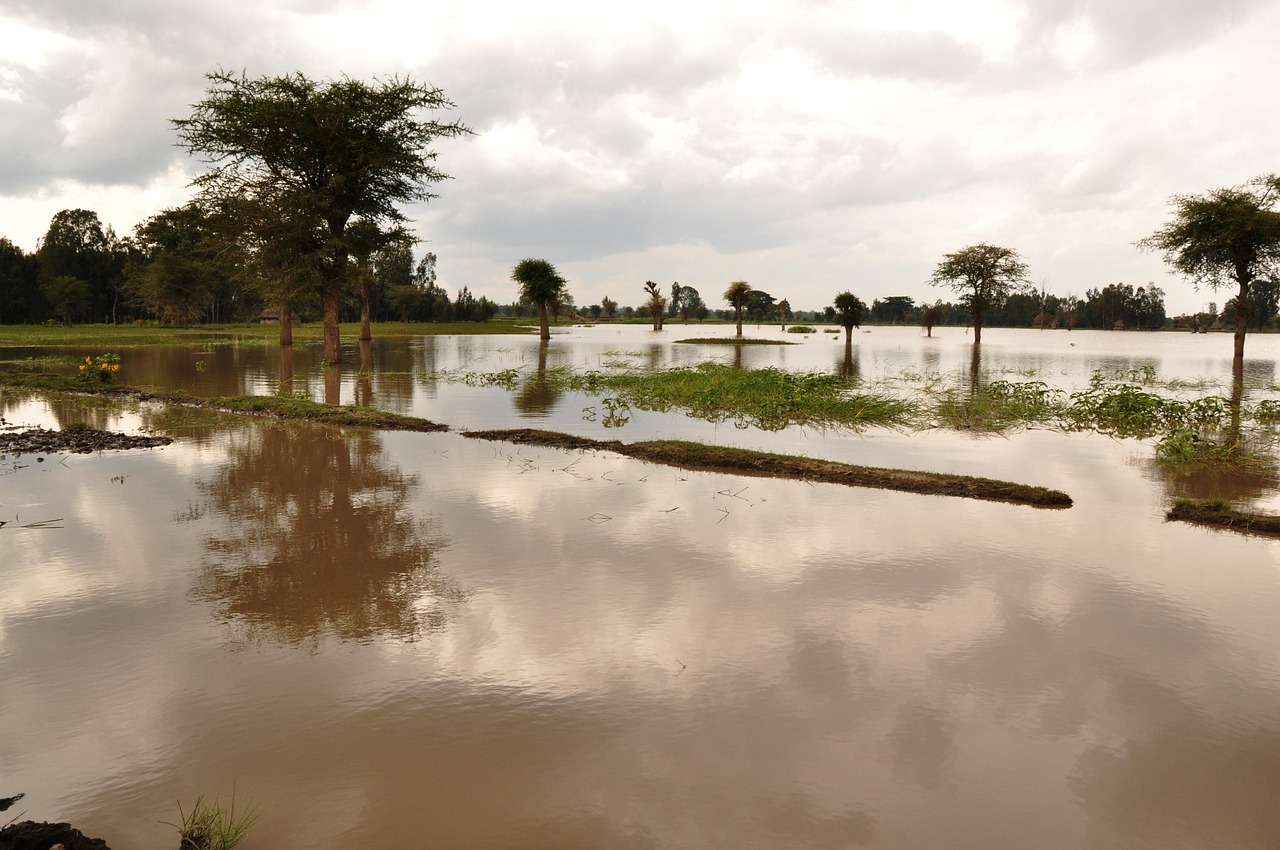
Flood and natural disaster insurance is crucial for homeowners living in areas prone to such conditions. It protects against damages caused by water from overflowing rivers, storms, or melting snow. Many homeowners misunderstand standard homeowners policies, believing they automatically cover flood damage, but that is not the case. Special policies or endorsements are often required to specifically cover such risks. Flood insurance is managed through the National Flood Insurance Program (NFIP), which collaborates with private insurance companies to offer protections. Understanding the distinctions and requirements is vital for ensuring proper coverage. It’s important to assess the risk level of your property based on its location. For example, homes in flood-prone zones may face higher premiums. Additionally, natural disasters like hurricanes, tornadoes, and earthquakes may necessitate separate policies. Homeowners should review their existing insurance coverage at least annually to incorporate any changes in risk or policy terms. Consulting with an insurance agent can provide tailored advice. Consider investing in an emergency fund as a supplement to insurance coverage, offering peace of mind during crises. Preparing your property with mitigation measures can reduce potential losses and insurance claims, ultimately resulting in long-term savings.
When seeking flood and natural disaster insurance, it is essential to understand what factors influence premiums and coverage limits. Insurers assess various elements to determine rates, including the property’s elevation, proximity to water bodies, and local flood history. Additionally, the construction type and age of the building play a role in the evaluation process. Homeowners should conduct a thorough review of their properties to identify vulnerabilities that may increase insurance costs. Installing flood barriers, utilizing sump pumps, and ensuring proper drainage are all proactive steps that can benefit insurance policies and potentially lower premiums. Coverage limits can also vary significantly depending on the policy. It’s vital to know what is included and excluded in the policy to avoid surprises during claims. Generally, standard policies provide coverage for the structure but may have limited coverage for personal belongings. Homeowners should have a detailed discussion with their insurance agents to clarify all details. Keeping records of valuable items, including photographs and receipts, can simplify the claims process. Investing time in learning about your insurance policy can lead to better protection and understanding of responsibilities in the event of a disaster.
Types of Flood Insurance Policies
There are generally two types of flood insurance policies available: the building coverage and personal property coverage. Building coverage insures the physical structure of the home, including the foundation, electrical, plumbing systems, and appliances. It provides financial support to repair or rebuild your home after damage from floods. On the other hand, personal property coverage protects the items within your home, such as furniture, electronics, and clothing. This type of coverage typically has sub-limits for specific categories of items that are more prone to damage, such as artwork or jewelry. Homeowners can often choose to get both types of coverage to ensure comprehensive protection. It is essential to evaluate which type of coverage is necessary based on the contents of your home and its structure. Some policies may also offer additional coverage for basements and crawlspaces, which could require separate endorsements. Therefore, before purchasing flood insurance, assessing your financial situation and belongings will help determine the right policy for you. Furthermore, discussing potential additional riders with an insurance broker can enhance overall protection tailored to your unique needs.
It is also important to be aware of the waiting period associated with flood insurance policies. Typically, there is a 30-day waiting period before a new flood insurance policy becomes effective. This duration exists to prevent last-minute purchases before a predicted flood event. For existing homeowners who might be facing imminent danger, this can often be frustrating. It is advisable for individuals living in flood-prone areas to secure their coverage well in advance and not wait until forecasts of severe weather arise. Additionally, exploring options for acquiring flood insurance well ahead of the rainy season can prevent financial loss and offer peace of mind. In some scenarios, lenders may require homeowners to carry flood insurance if the property is located within a designated flood zone. Hence, being proactive rather than reactive can efficiently mitigate the financial impact of natural disasters. Keeping abreast of updates regarding flood zones and insurance requirements can further aid in planning and protecting assets. Monitoring local weather forecasts and participating in community preparedness initiatives will also position homeowners more favorably when catastrophe strikes.
Claim Process for Flood Insurance
Understanding the claim process is equally vital when it comes to flood and natural disaster insurance. After a flooding incident, homeowners need to document all damage thoroughly before making a claim. This documentation may include photographs, video evidence, and a comprehensive list of affected items. Homeowners should also acquire estimates from licensed contractors for repairs, as these can be essential when dealing with the insurance adjuster. Once the necessary evidence is collected, it is crucial to report the damage to the insurance company promptly. Most policies have specific timelines for filing claims, so adhering to these deadlines is fundamental. The insurance company will then assign an adjuster to assess the damages and offer a claim settlement. Homeowners should maintain clear communication with the adjuster throughout the process. If a claim is denied or the offered settlement feels inadequate, appealing the decision is an option. Engaging with a professional consultant can assist in navigating disputes effectively. Ultimately, being informed and organized can significantly simplify the claim process and increase the chances of a favorable outcome.
It’s also critical to remain informed about federal and state assistance programs that may be available during a natural disaster. The Federal Emergency Management Agency (FEMA) often provides financial aid to individuals affected by floods. Evaluation criteria for assistance typically include household income, the extent of damages, and other individual circumstances. Therefore, affected residents should learn about any potential aid options, including loans and grants specifically designed for recovery efforts. Many local governments also have programs to support disaster-stricken communities. Eligibility requirements can vary, so it is wise to stay updated about specific assistance offerings. Engaging with local government offices or non-profit organizations may help connect residents with vital resources. Homeowners should not overlook the importance of community resources, as they can provide valuable support. During recovery, the swift connection to community groups can drastically improve individual circumstances. By understanding assistance programs, participants can better position themselves to reclaim their lives more effectively following disaster devastation. Overall, preparing financially, psychologically, and through available community supports can mitigate the hardships faced during such crises.
Conclusion
In conclusion, flood and natural disaster insurance is an indispensable investment for homeowners facing the reality of climate impacts and unpredictable weather conditions. By taking the time to research, understand, and invest in appropriate coverage, individuals can protect their homes and personal belongings from potential devastation. Moreover, being proactive in secure insurance, knowing the claim process, and using community resources can significantly enhance recovery outcomes after disasters occur. It is also essential to educate oneself regularly about changes in policies, risks, and available assistance to remain well-prepared. Assessment and adjustments of insurance coverage should be a consistent practice, reflecting changes in property or living circumstances. Increasing knowledge on flood risk can also help elucidate the importance of such insurance policies. Ultimately, homeowners must view flood insurance not just as a legal requirement but as a proactive measure for safeguarding their future. Establishing a comprehensive disaster response plan alongside obtaining suitable insurance can enhance overall resilience against natural disasters. Remember, preparation and education are essential components of effective disaster management, ensuring security when nature unleashes its fury.
Learning about flood and natural disaster insurance can truly empower homeowners for better security and financial protection. This awareness will enable individuals to navigate challenges and uncertainties with confidence, ultimately leading to better preparedness for the future.