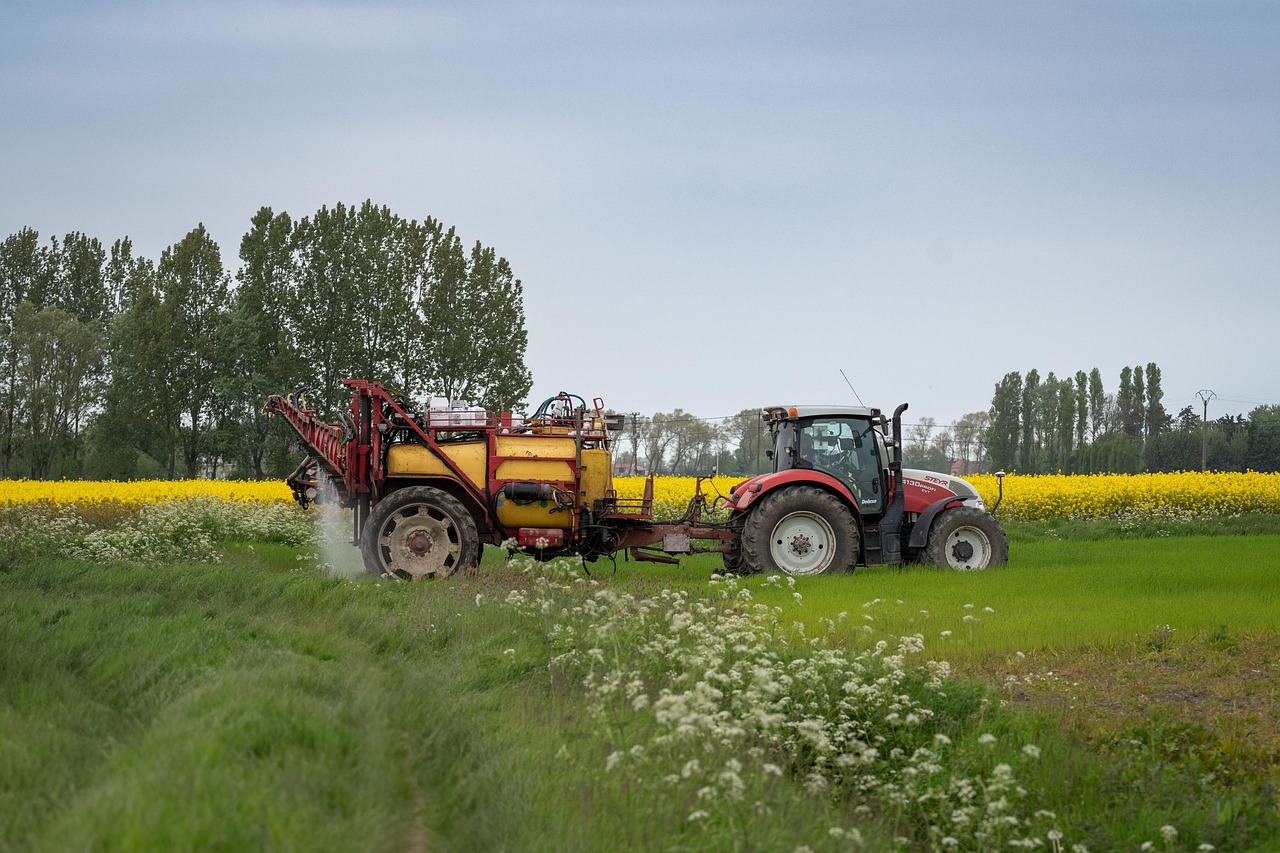

Agricultural Policies and Food Security in Emerging Economies
Agricultural policies play a crucial role in shaping food security in emerging economies. These policies encompass a myriad of strategies designed to boost agricultural production, stabilize prices, and enhance the livelihoods of farmers. Emerging economies face unique challenges, including climate change, limited resources, and fluctuating market demands, which necessitate comprehensive policies. In these regions, the adoption of innovative agricultural practices can substantially increase productivity. For example, integrating technology in traditional farming can lead to improved yield and better resource management. Policies must also focus on ensuring equitable access to land and resources. Developing support programs that assist smallholder farmers is essential to achieving food security goals. Furthermore, fostering partnerships between governments, NGOs, and the private sector is vital for addressing food supply chains effectively. Monitoring and evaluating agricultural policies ensure they adapt to changing conditions. As rural populations grow, governments must prioritize policies that promote sustainability and resilience. Ultimately, strategic agricultural policies can drive food security by strengthening local economies and welfare. The integration of diverse strategies is key to achieving these goals in emerging economies, leading to long-term agricultural and economic development.
Food security is intimately linked to agricultural policies, especially in emerging economies where resources are often scarce. Understanding the concept of food security is vital; it involves ensuring that all people have physical and economic access to sufficient, safe, and nutritious food at all times. Effective agricultural policies can help achieve this by addressing the underlying causes of food insecurity. For instance, policies aimed at enhancing crop diversity can ensure a more stable food supply. Additionally, improving infrastructure, such as transportation and storage, plays a significant role in reducing post-harvest losses. Furthermore, training programs can equip farmers with essential skills and knowledge regarding sustainable practices. These efforts lead to improved food quality and quantity. Collaborating with community organizations can enhance local participation in policy-making, resulting in more tailored solutions to food security challenges. Policies should be sensitive to the needs of vulnerable groups, including women and children. Importantly, these policies must adapt to socioeconomic changes and environmental pressures. In summary, an integrated approach that considers both agricultural productivity and food access is crucial in ensuring food security in emerging economies. Engaging different stakeholders can further reinforce these policies against potential challenges.
The Role of Technologies in Agricultural Development
Technological advancement has transformed agricultural sectors in emerging economies significantly. Innovations such as precision agriculture, biotechnology, and mobile applications have dramatically increased productivity and efficiency. Precision agriculture utilizes data analytics and GPS technology to optimize field-level management, leading to effective resource use. Biotechnology, including genetically modified organisms, can enhance crop resilience to pests and climate change. Mobile apps provide farmers with real-time information about market prices and weather forecasts, allowing better decision-making. However, the implementation of such technologies faces challenges due to limited infrastructure and access to finance. Governments can mitigate these challenges by investing in rural infrastructure and providing subsidies for adopting new technologies. Training programs are necessary to ensure that farmers are equipped with the skills to leverage these tools effectively. Furthermore, fostering private-sector investments can lead to more innovative solutions tailored to local needs. Policymakers should also consider the ethical implications of technology in agriculture and ensure that advancements do not widen the gap between large agribusiness and smallholder farmers. Overall, integrating technology into agricultural policies can drive productivity, sustainability, and food security significantly in emerging economies.
Market access remains a significant barrier for many farmers in emerging economies. The ability to sell produce at fair prices is crucial for their economic stability and enhancing food security overall. Agricultural policies aimed at expand market access should prioritize the development of infrastructure, including roads, storage facilities, and market centers. Such facilities enable farmers to bring their products to market more efficiently, thereby reducing costs and food wastage. Establishing cooperative societies can empower smallholder farmers and facilitate collective bargaining. Policies that provide credit access and financial literacy training are essential in supporting smallholder farmers as they enter the market. Additionally, linking farmers directly to consumers, such as through farmers’ markets, can help reduce dependency on intermediaries, thus increasing their profits. Governments should also promote fair trade policies that protect against market fluctuations and unfair pricing practices. Furthermore, supporting local food systems can bolster communities’ resilience against global shocks. Ensuring price stability through government intervention can also enhance market confidence amongst farmers. Therefore, comprehensive market access policies are vital for fostering an environment where agricultural productivity translates into improved food security in emerging economies.
The Importance of Sustainable Practices
Sustainability in agricultural practices is essential for ensuring long-lasting food security in emerging economies. Overexploitation of resources and climate change can undermine future agricultural productivity. Sustainable practices focus on maintaining the balance of ecosystems and protecting biodiversity while enhancing food production. Policies that encourage sustainable farming techniques, such as crop rotation, agroforestry, and organic farming, are crucial for long-term success. Implementing these practices can lead to healthier soils, reduced fertilizer dependency, and improved resilience against climate impacts. Furthermore, integrating cultural practices into sustainable agriculture can foster community engagement and ownership. Training and resources that promote environmental stewardship should be key components of agricultural policies. Additionally, policies should incentivize farmers to adopt sustainable practices through subsidies or market rewards for eco-friendly products. The role of local communities in shaping sustainability cannot be overstated; their involvement can enhance the effectiveness of policies to ensure food security. Governments should collaborate with NGOs and private sectors to develop frameworks that support sustainable agriculture. In conclusion, prioritizing sustainability in agricultural policies is vital to safeguard food security for future generations in emerging economies while enhancing rural livelihoods.
Climate change significantly affects agricultural productivity and consequently impacts food security in emerging economies. As weather patterns become increasingly erratic, farmers face challenges such as droughts and floods that threaten their harvests. Agricultural policies must thus incorporate climate adaptation strategies to sustain production and secure food supplies. Governments need to invest in research that focuses on developing climate-resilient crop varieties and farming techniques. Furthermore, enhancing water management practices, including rainwater harvesting and irrigation efficiency, can aid farmers in adapting to changing climate conditions. Collaboration with international organizations can facilitate access to resources and knowledge exchange for developing effective adaptation strategies. Furthermore, raising awareness about climate issues among farming communities can empower them to adopt practices that mitigate these effects. Policies that promote diversification, such as intercropping and agroecological practices, can enhance systems’ resilience. Moreover, encouraging investments in renewable energy in agricultural production helps minimize dependency on fossil fuels. Ultimately, integrating climate adaptation into agricultural policies will help mitigate risks associated with climate change, ensuring that farmers maintain productive systems, thereby supporting food security in emerging economies.
Conclusion: Future Directions in Agricultural Policies
In summary, effective agricultural policies are fundamental to achieving food security in emerging economies. A comprehensive approach that includes technology integration, sustainable practices, market access, and climate resilience is essential. Policymakers must collaborate with various stakeholders, including local farmers, NGOs, and the private sector, to create inclusive strategies tailored to local contexts. Enhancing investment in agricultural research and infrastructure is critical for driving innovation and productivity. Additionally, policies must prioritize the needs of vulnerable populations, ensuring equitable access to resources and markets. Food security strategies should continually evolve to address emerging challenges, including climate change, population growth, and economic disparities. Governments must remain flexible, adapting to new information and shifts in the agricultural landscape. Engaging communities in policy development can ensure that local knowledge and practices inform decision-making processes. Overall, the pursuit of food security in emerging economies requires a multidisciplinary approach that balances productivity with sustainability. Long-term strategies fostering resilience and development will ultimately enable farmers to thrive, contributing to overall economic growth and community welfare, thus securing food systems for future generations.
In addition, investing in education and capacity-building programs for farmers and agricultural workers will empower them to implement best practices. Addressing inefficiencies in food distribution systems will also be critical; reducing food waste ultimately contributes to enhanced food security. To achieve these objectives, continuous dialogue and collaboration among various stakeholders are essential to create a legitimate framework. Regular assessments of the effectiveness of policies will ensure they achieve their intended goals. Policymakers must also strive for coherence in their approaches across related sectors, including health and education. Ultimately, successful agricultural policies that prioritize food security will enable emerging economies to navigate the complexities of global challenges while improving the livelihoods of their populations.